
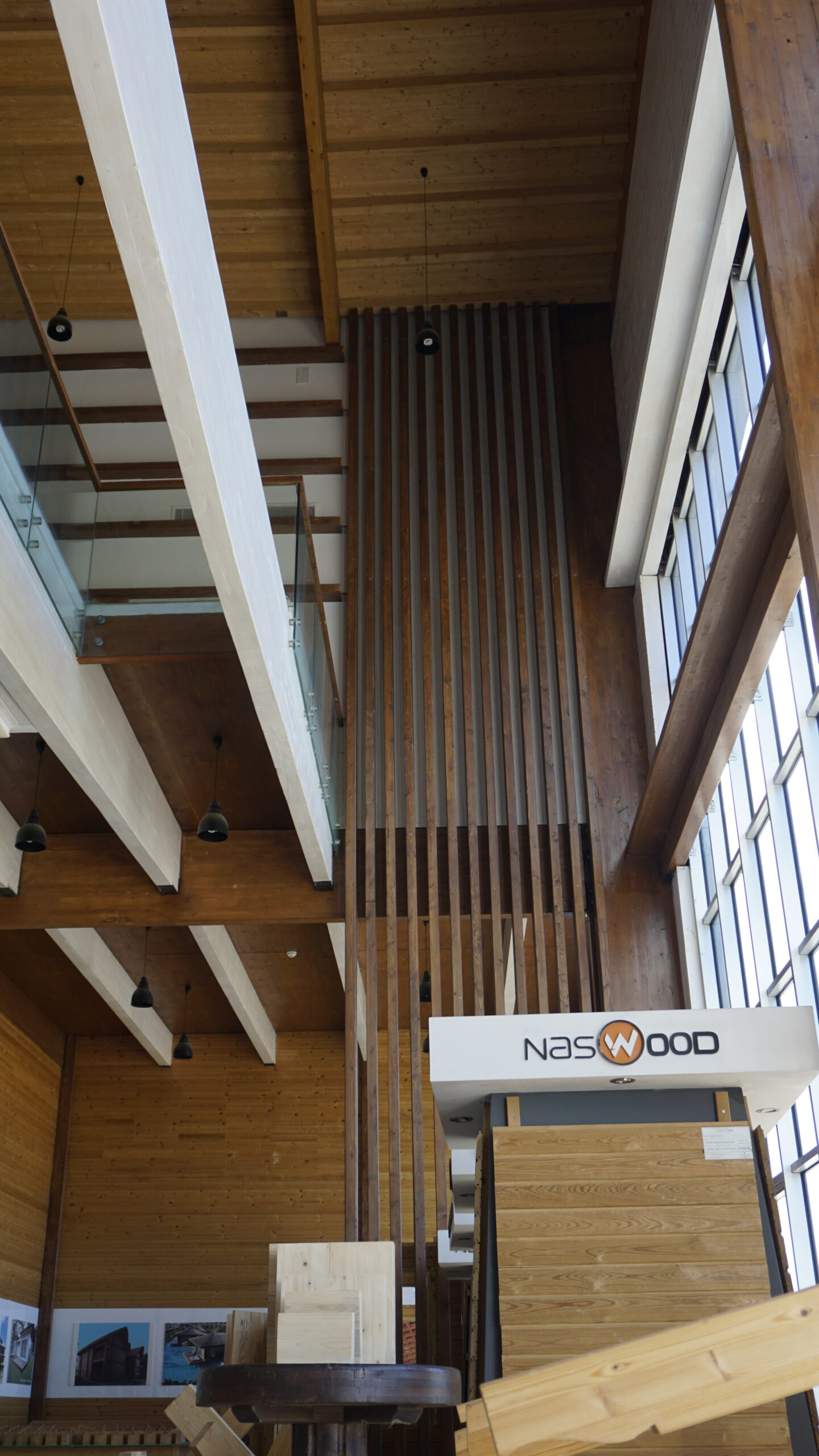
تولیدکننده چوب سازه‌ای «NASWOOD»

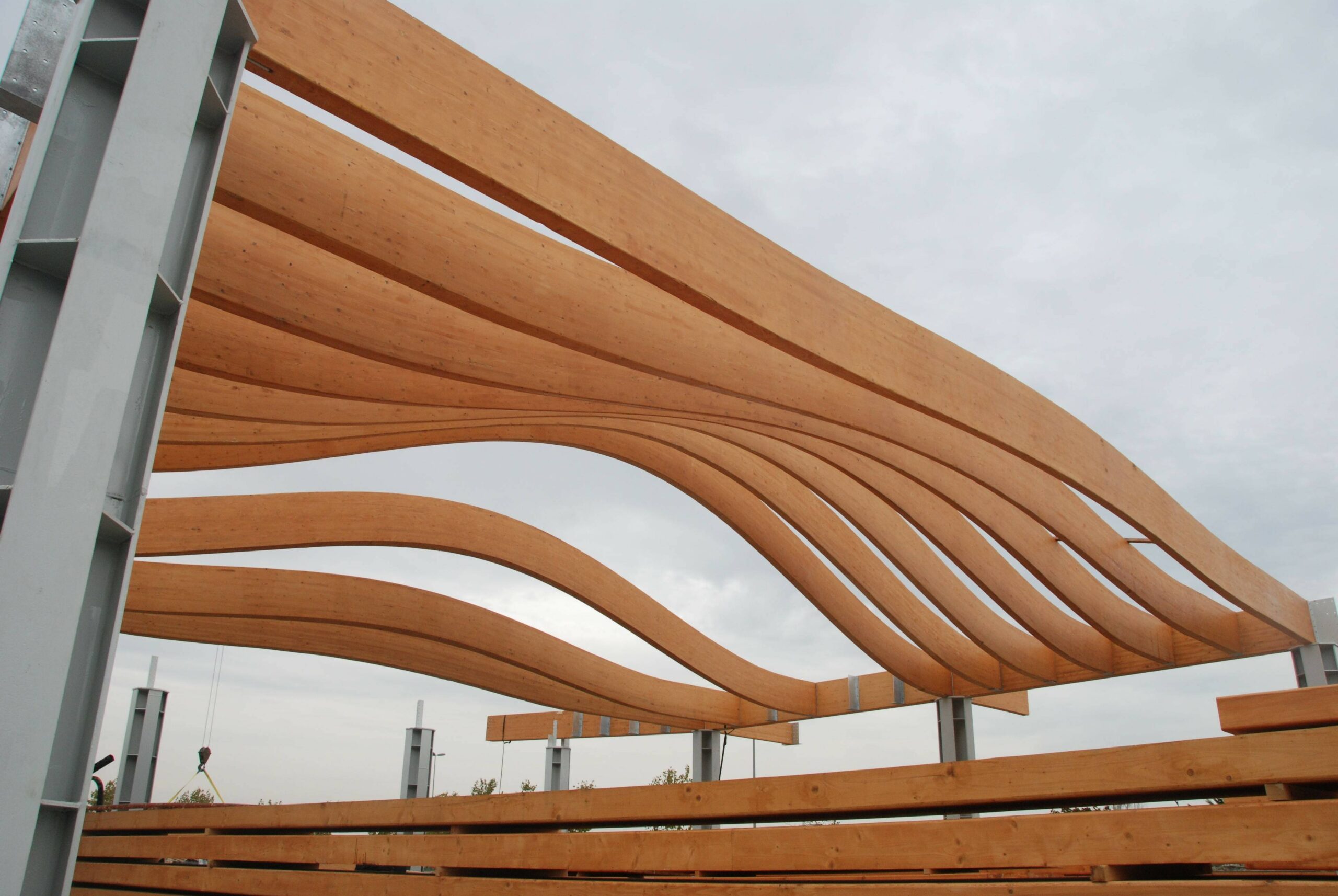
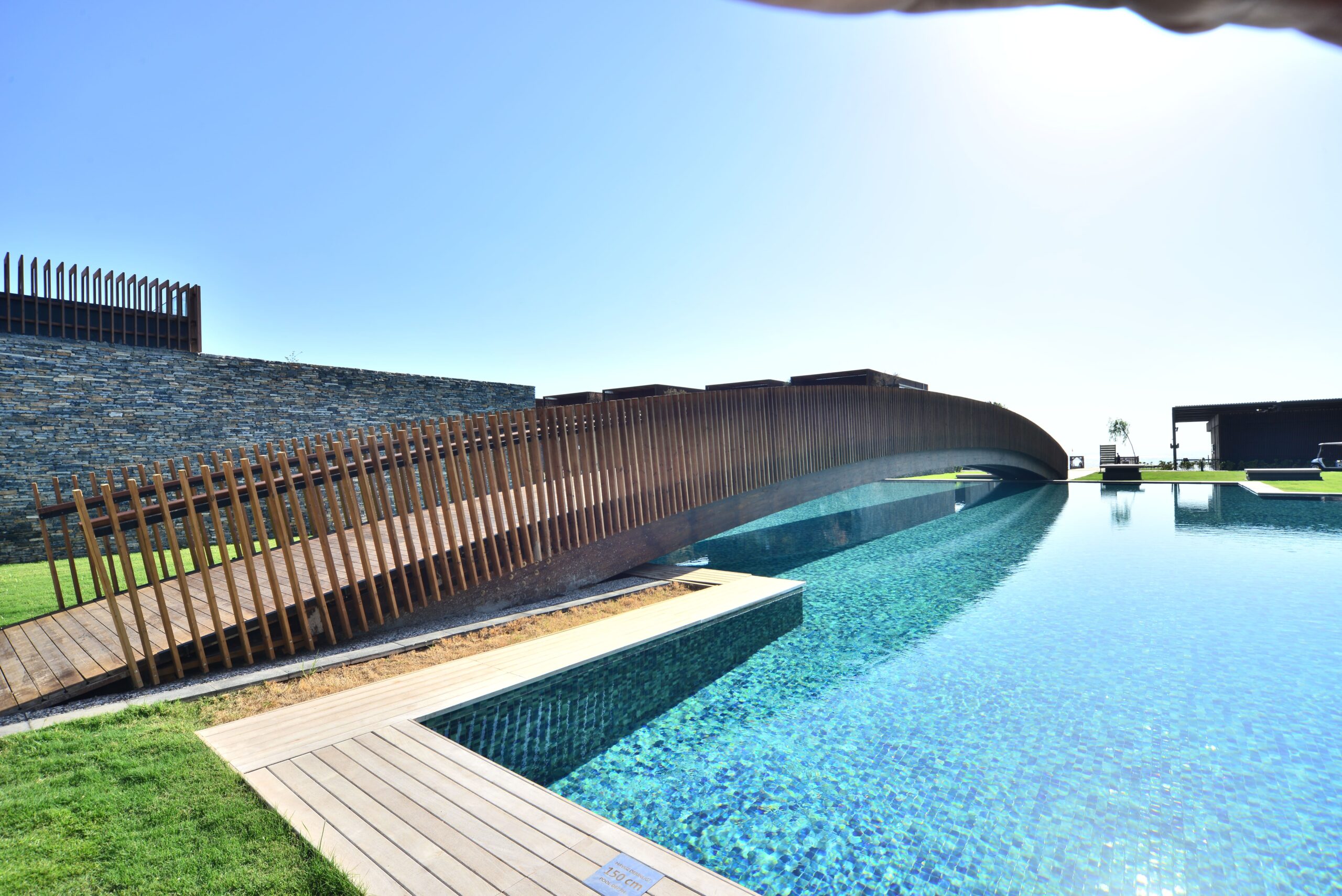
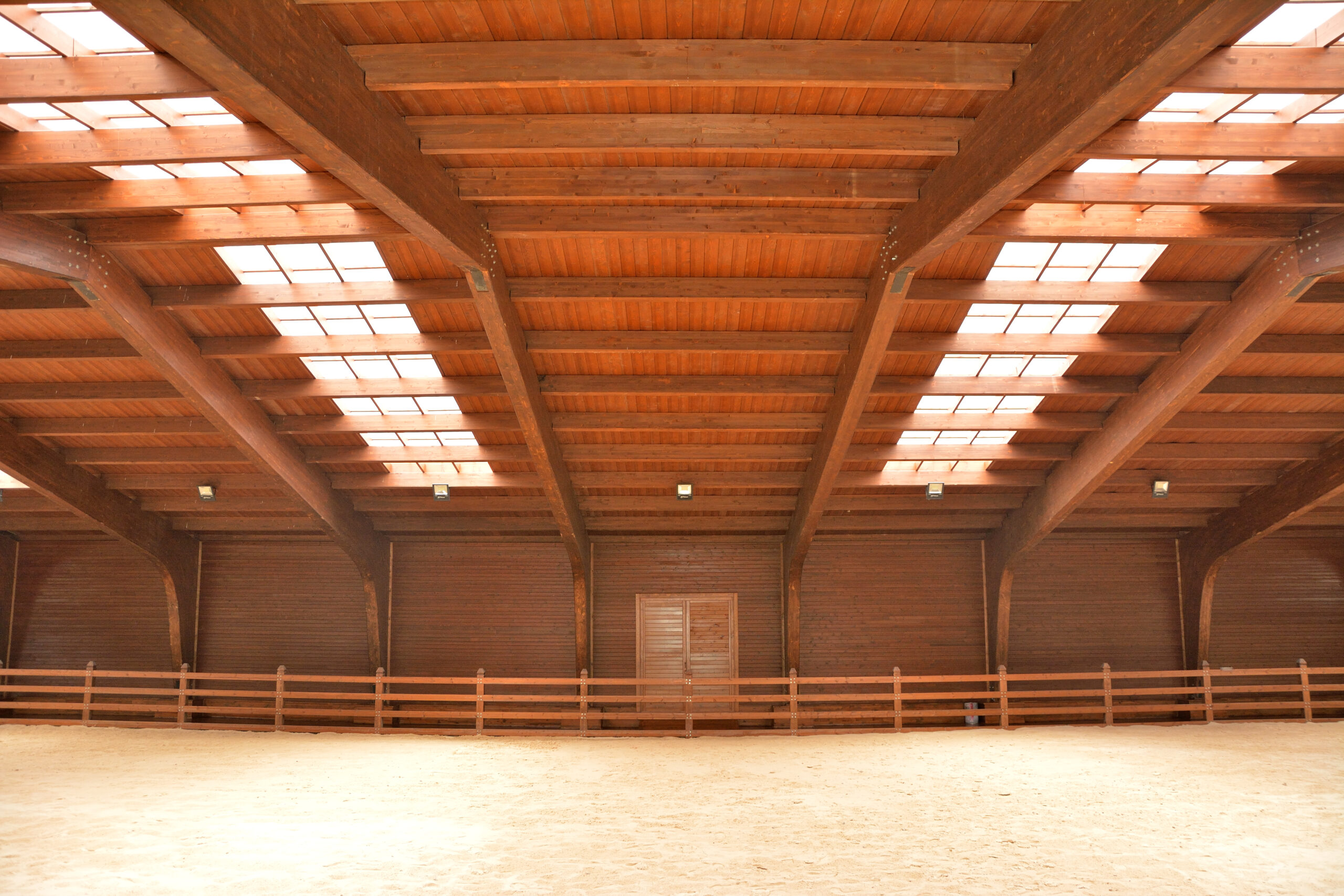
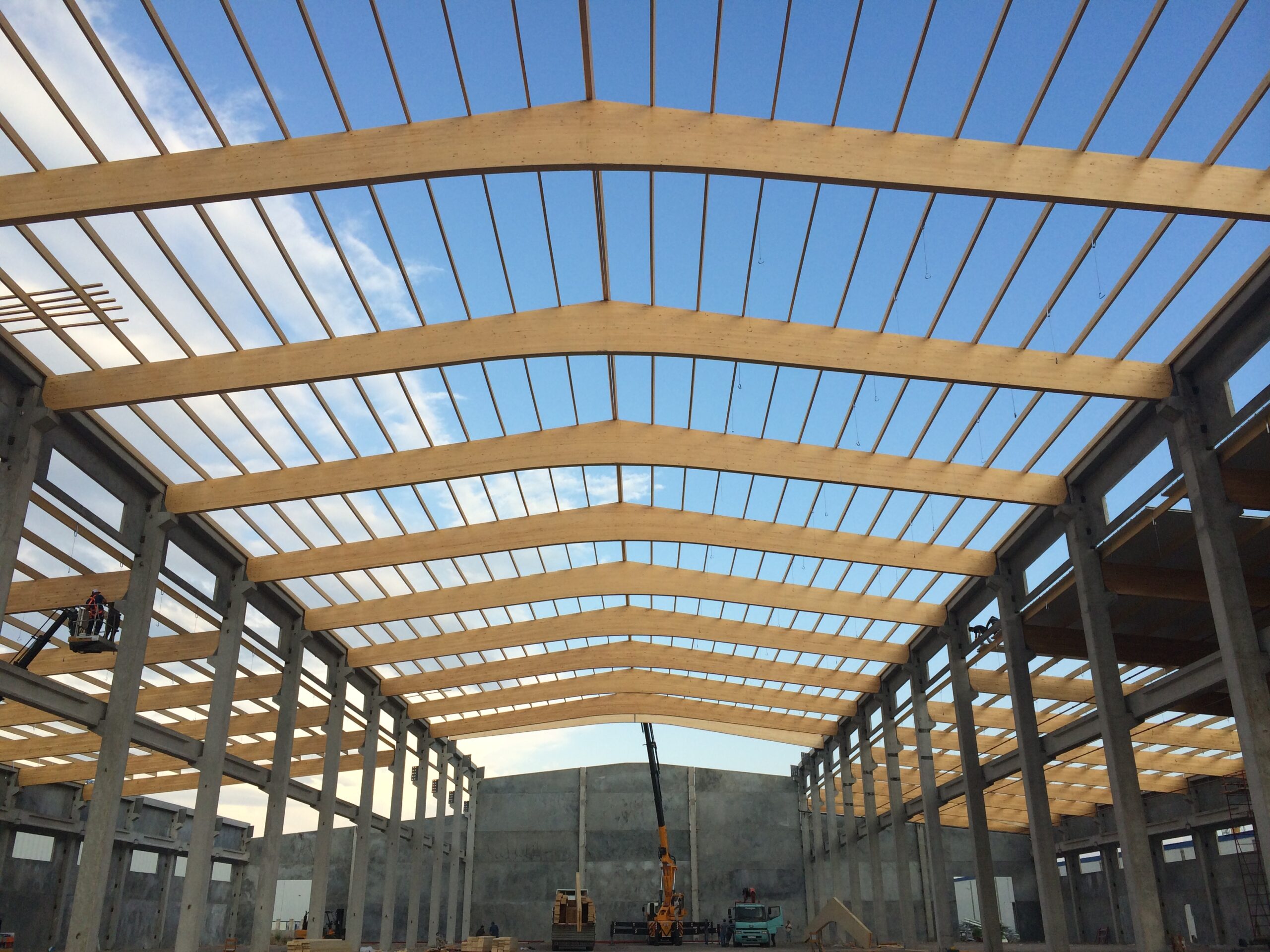
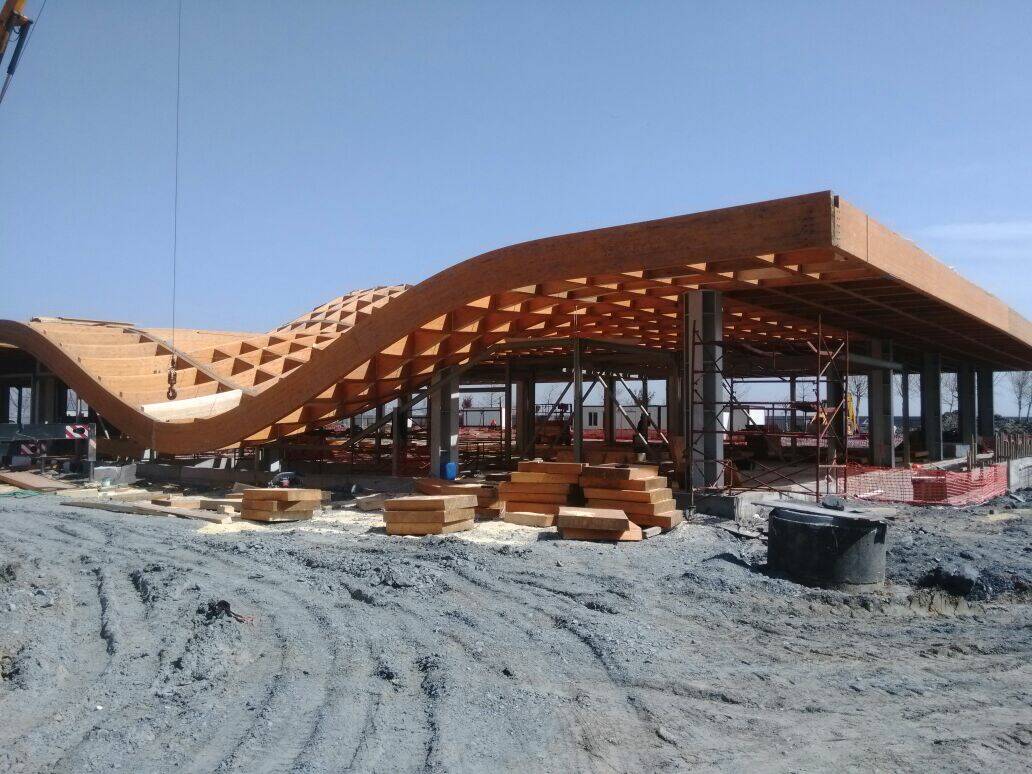
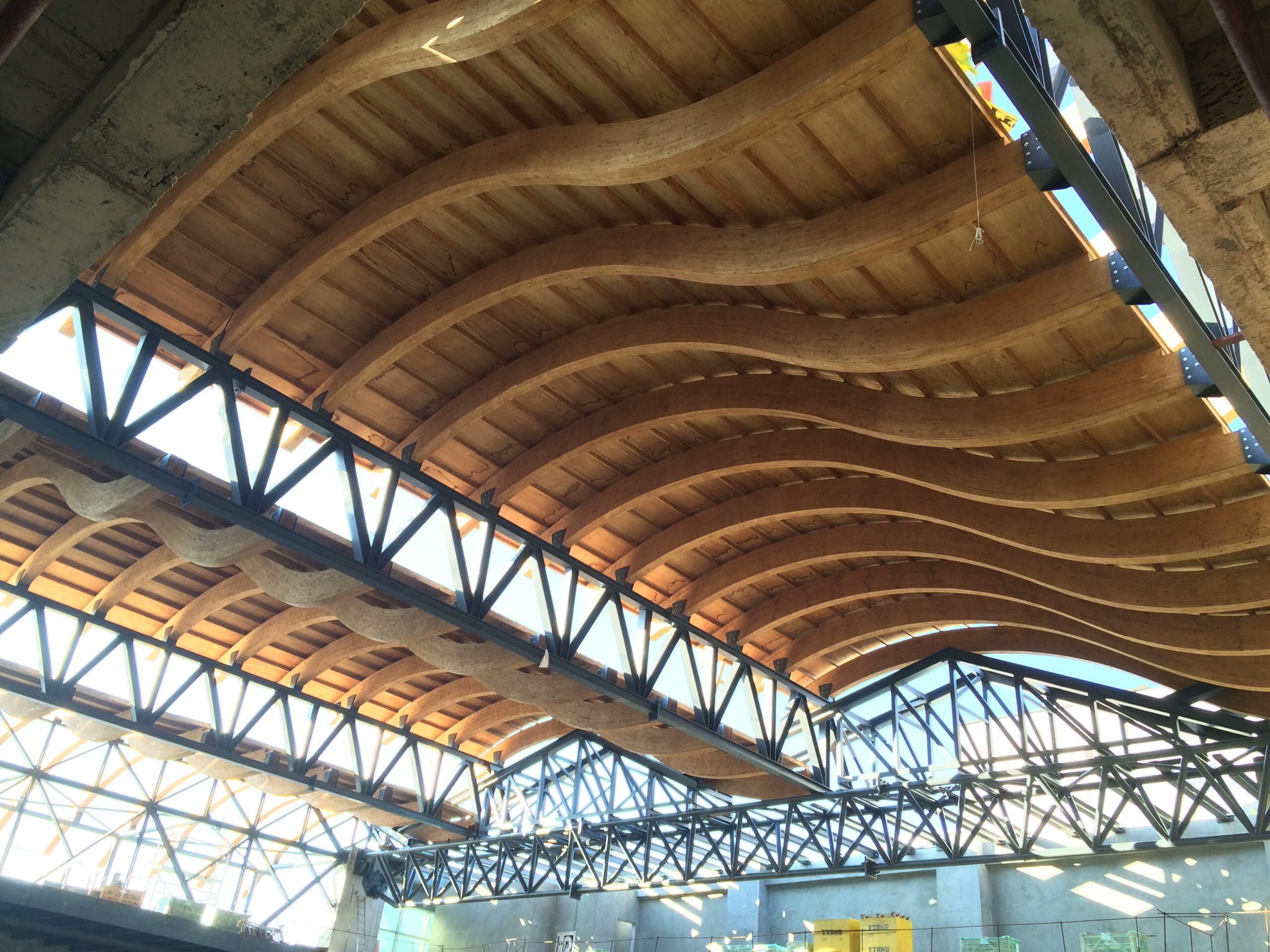
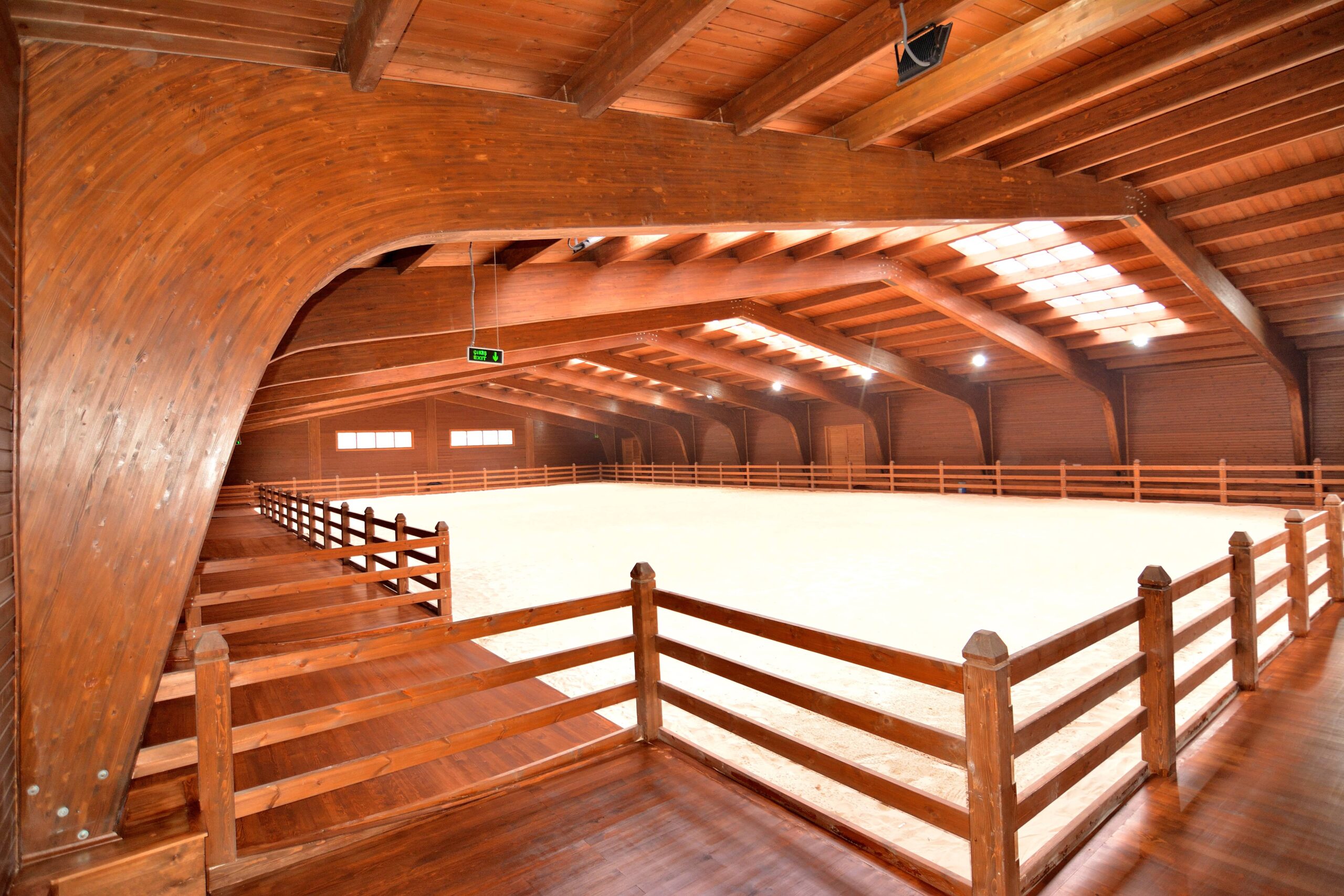
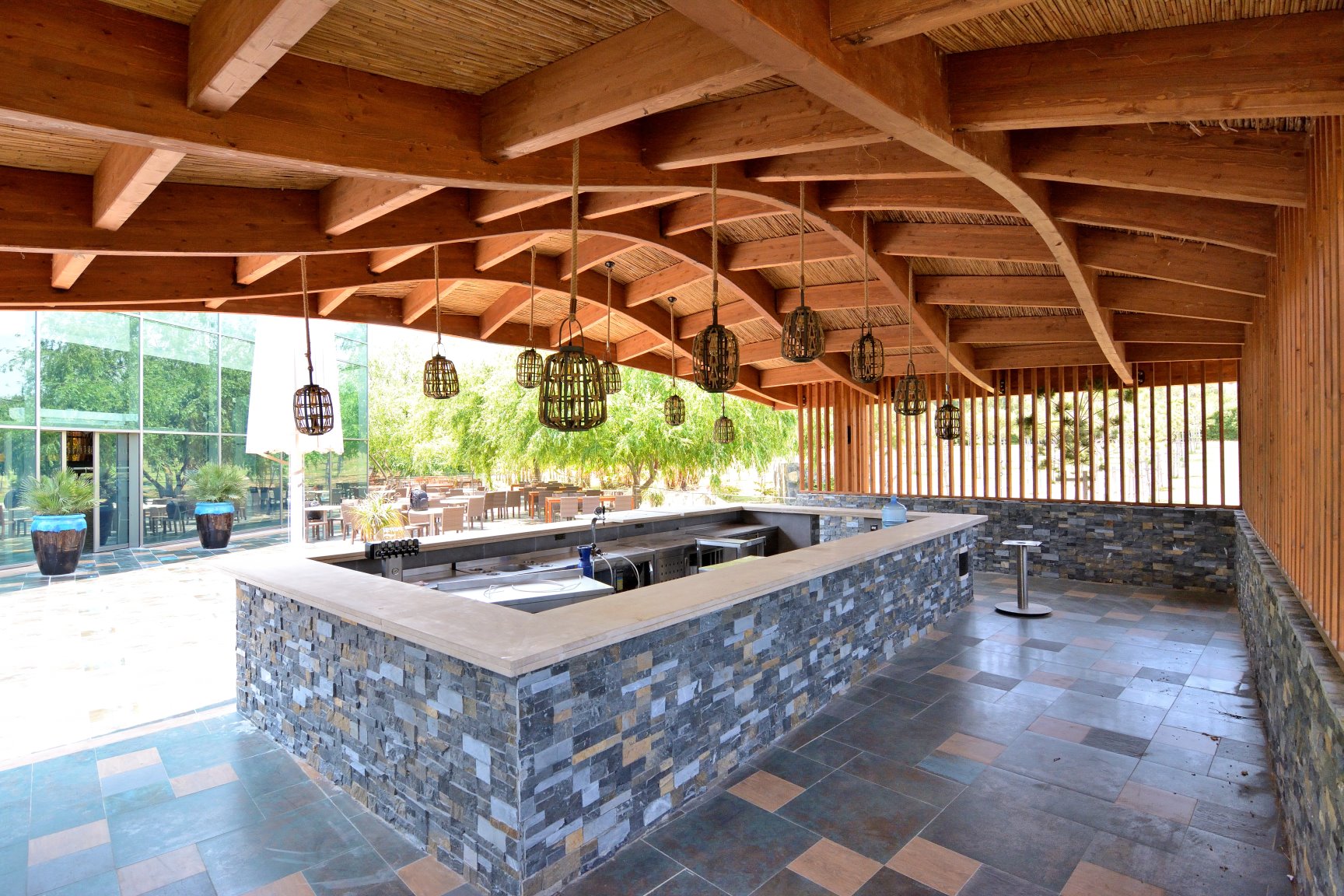
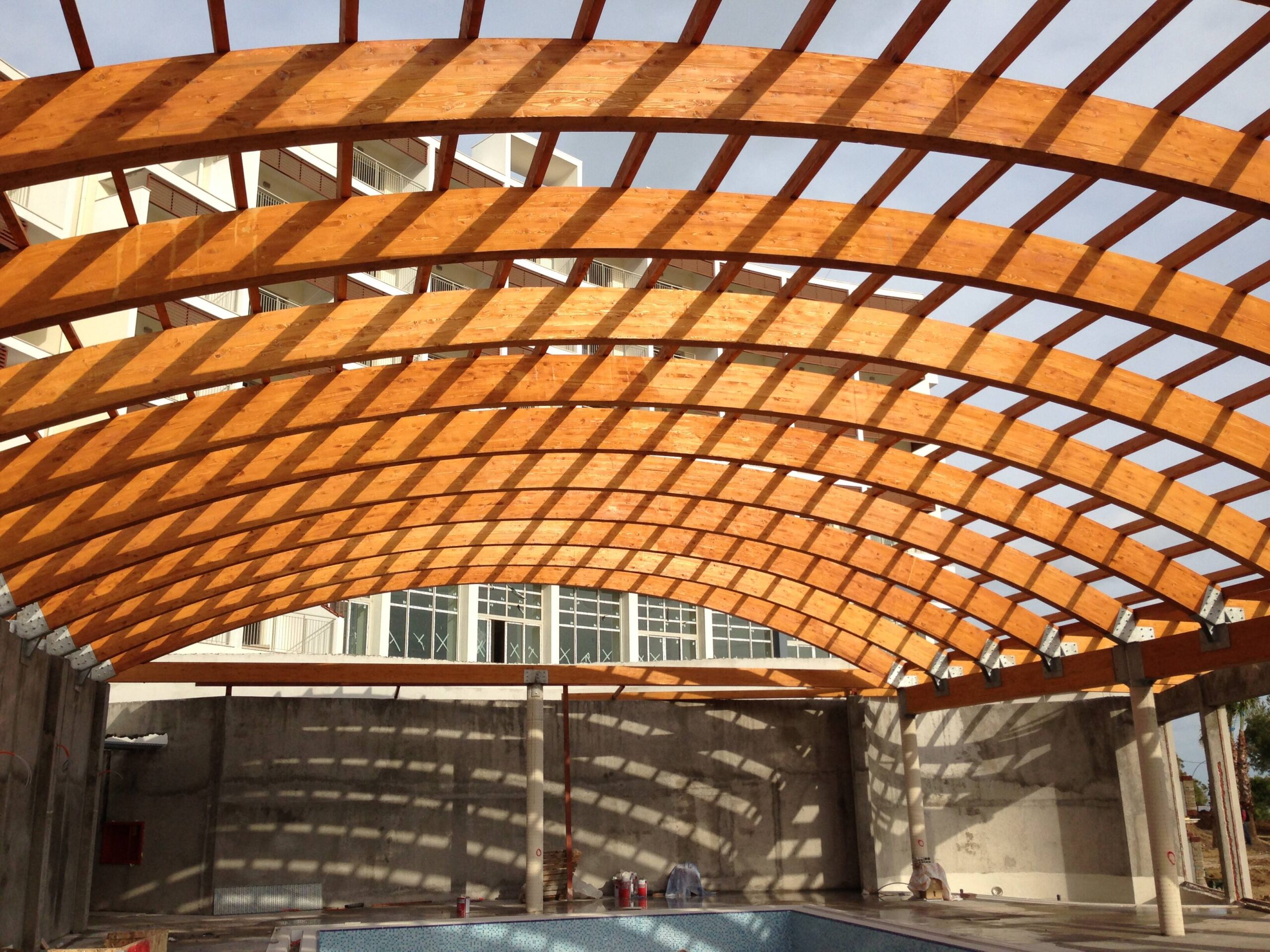
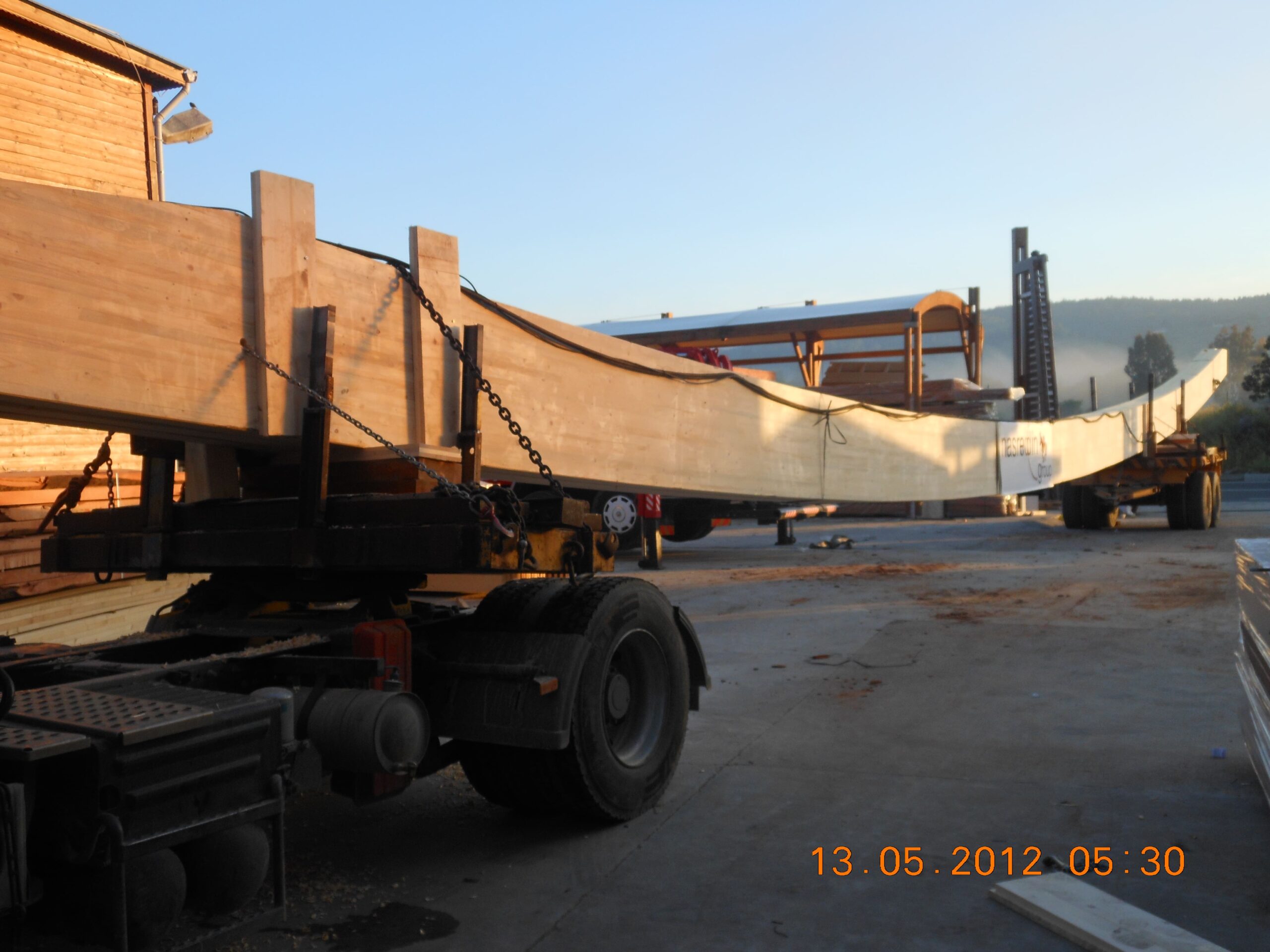
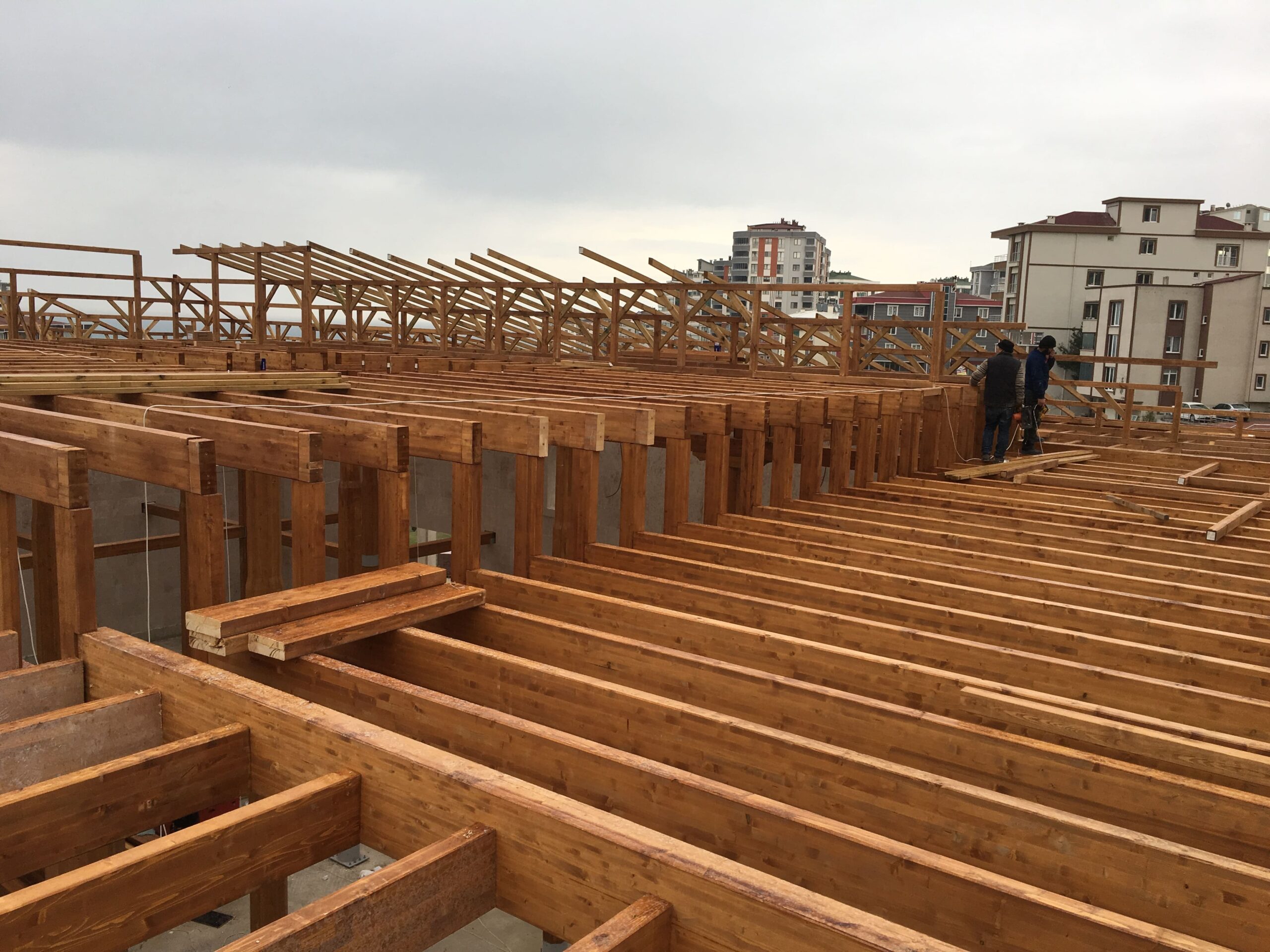
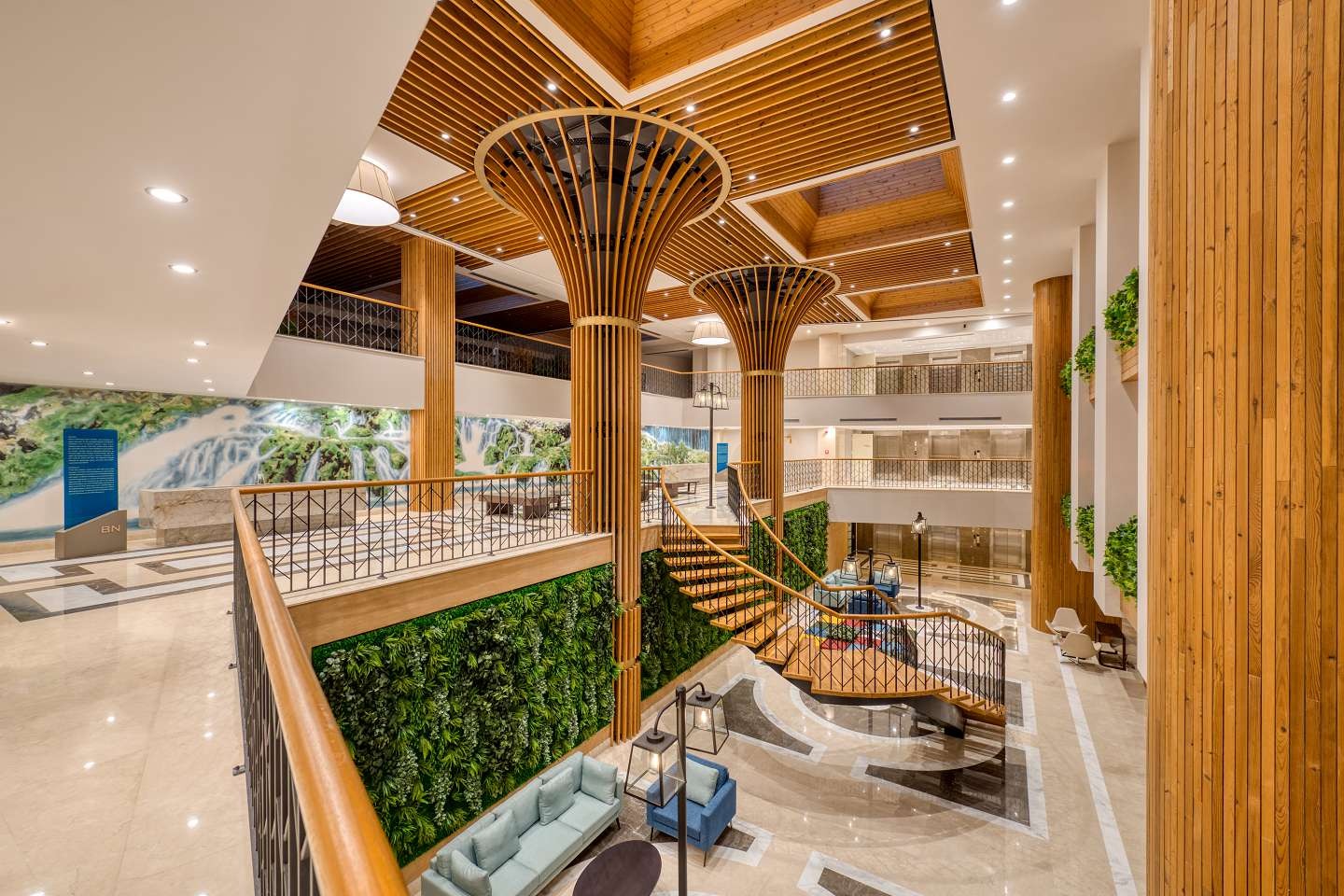
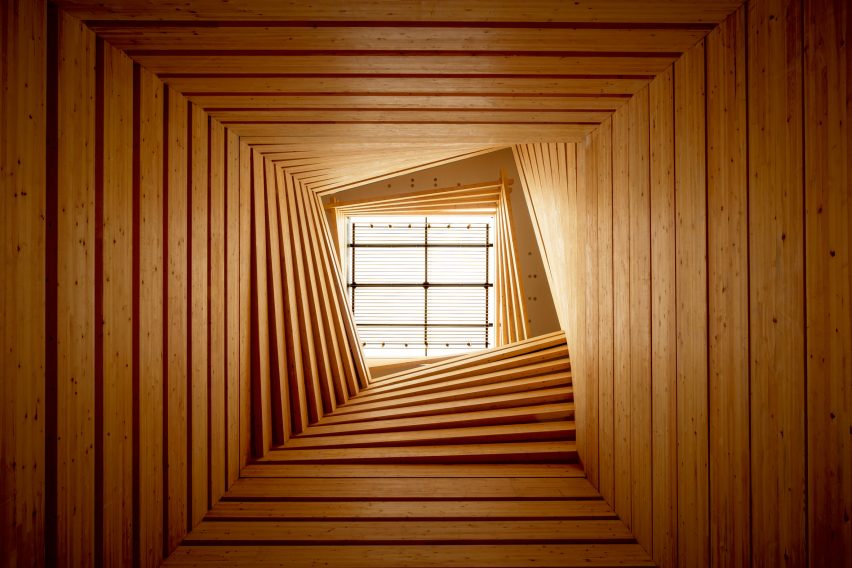
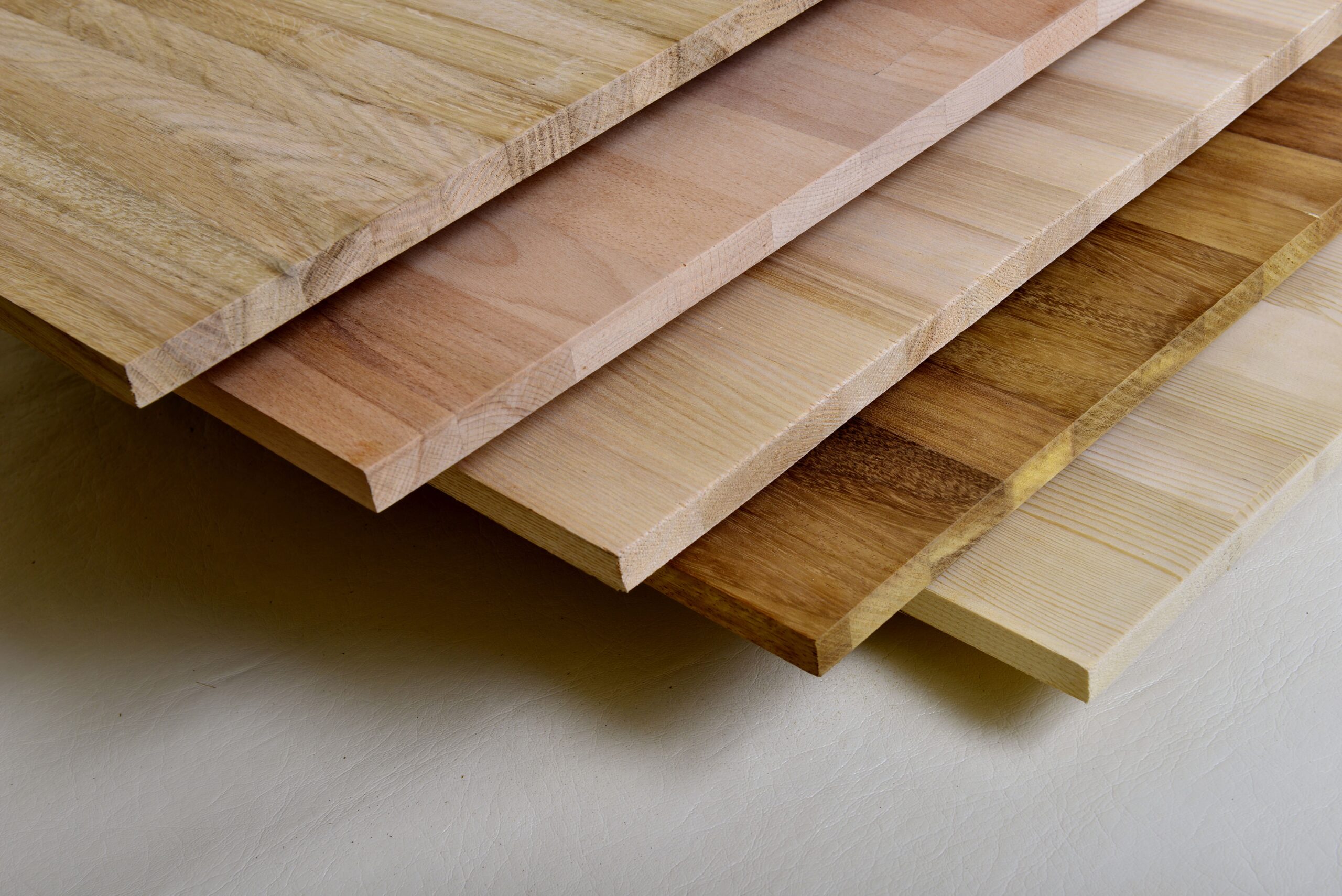
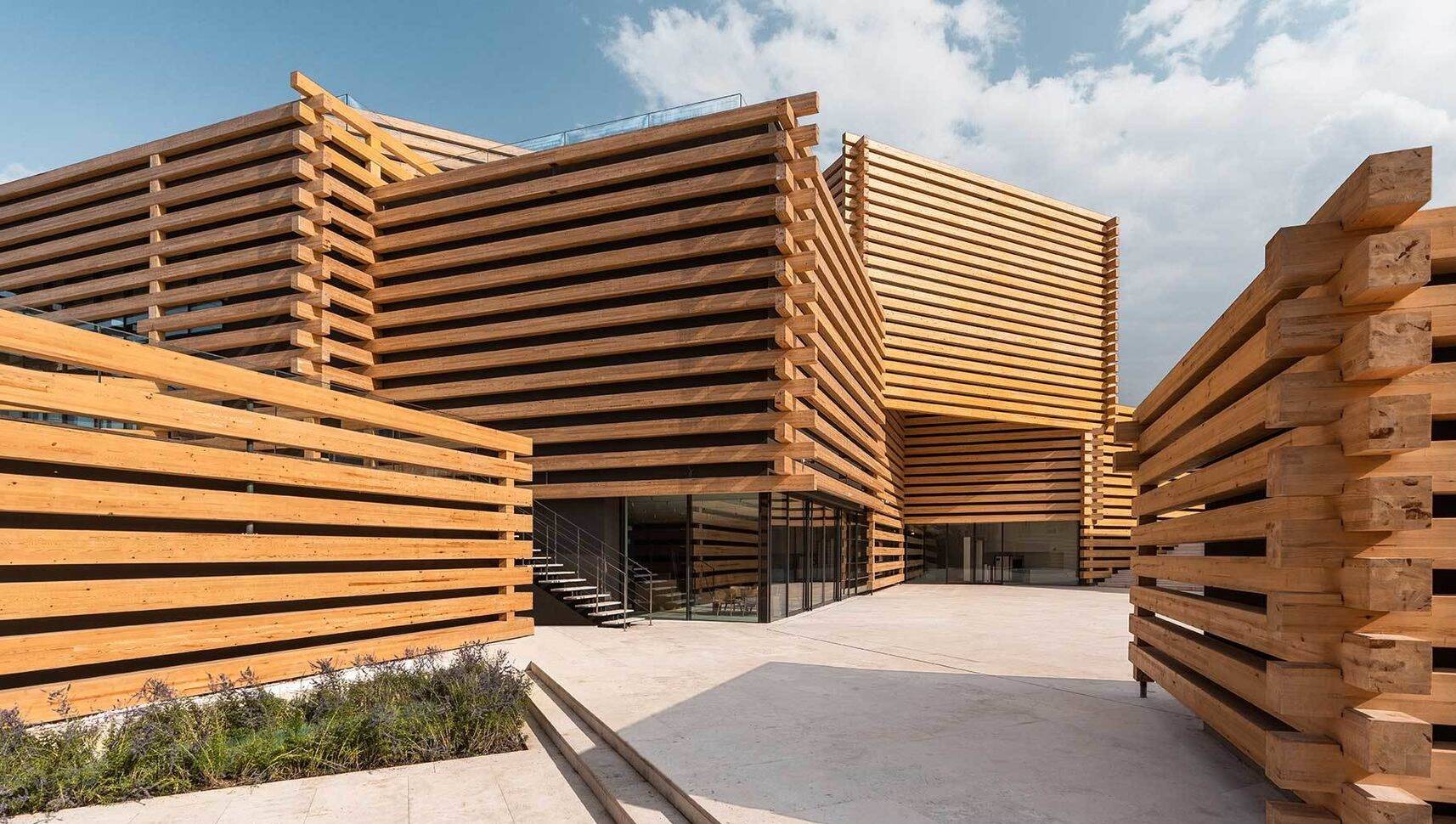
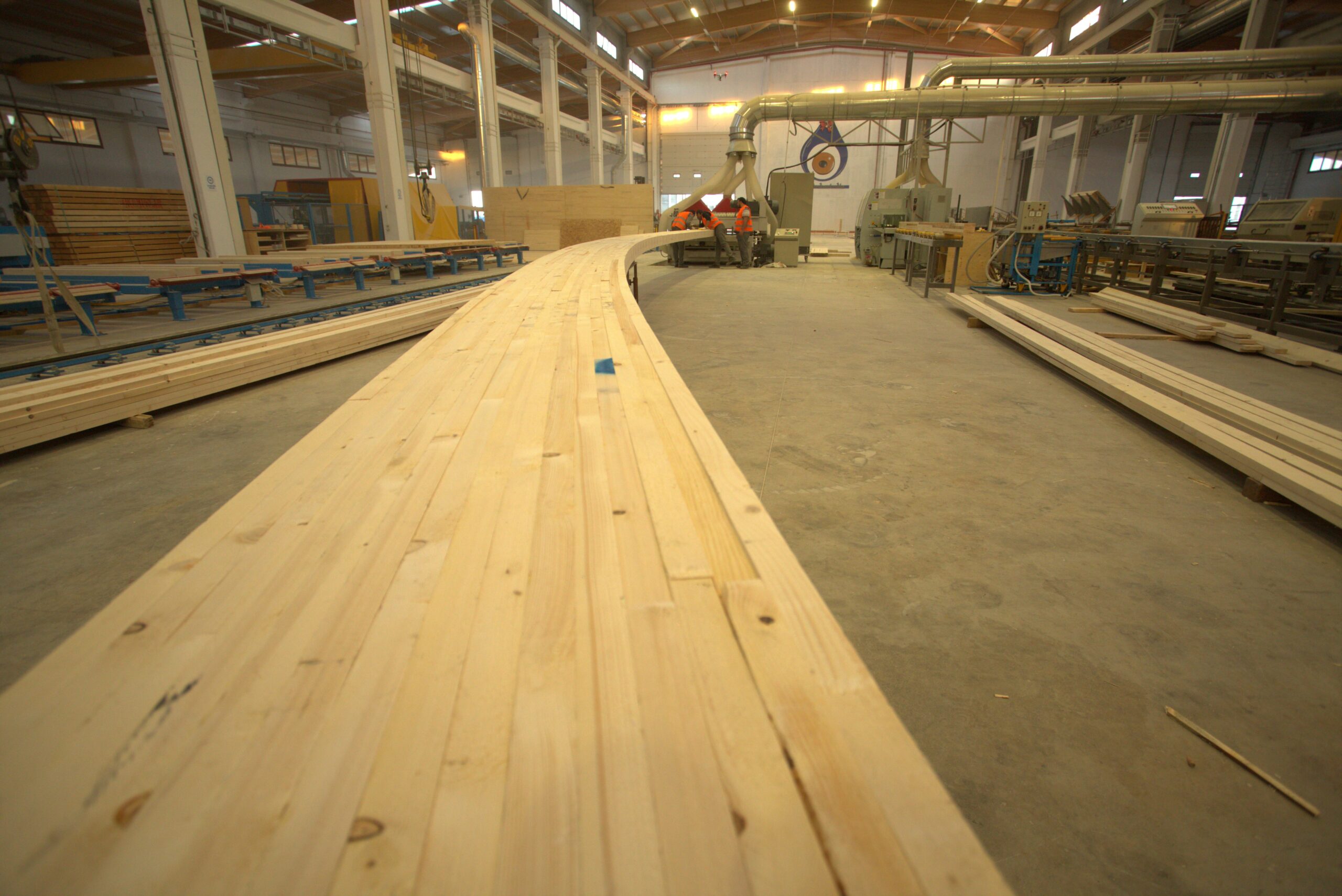
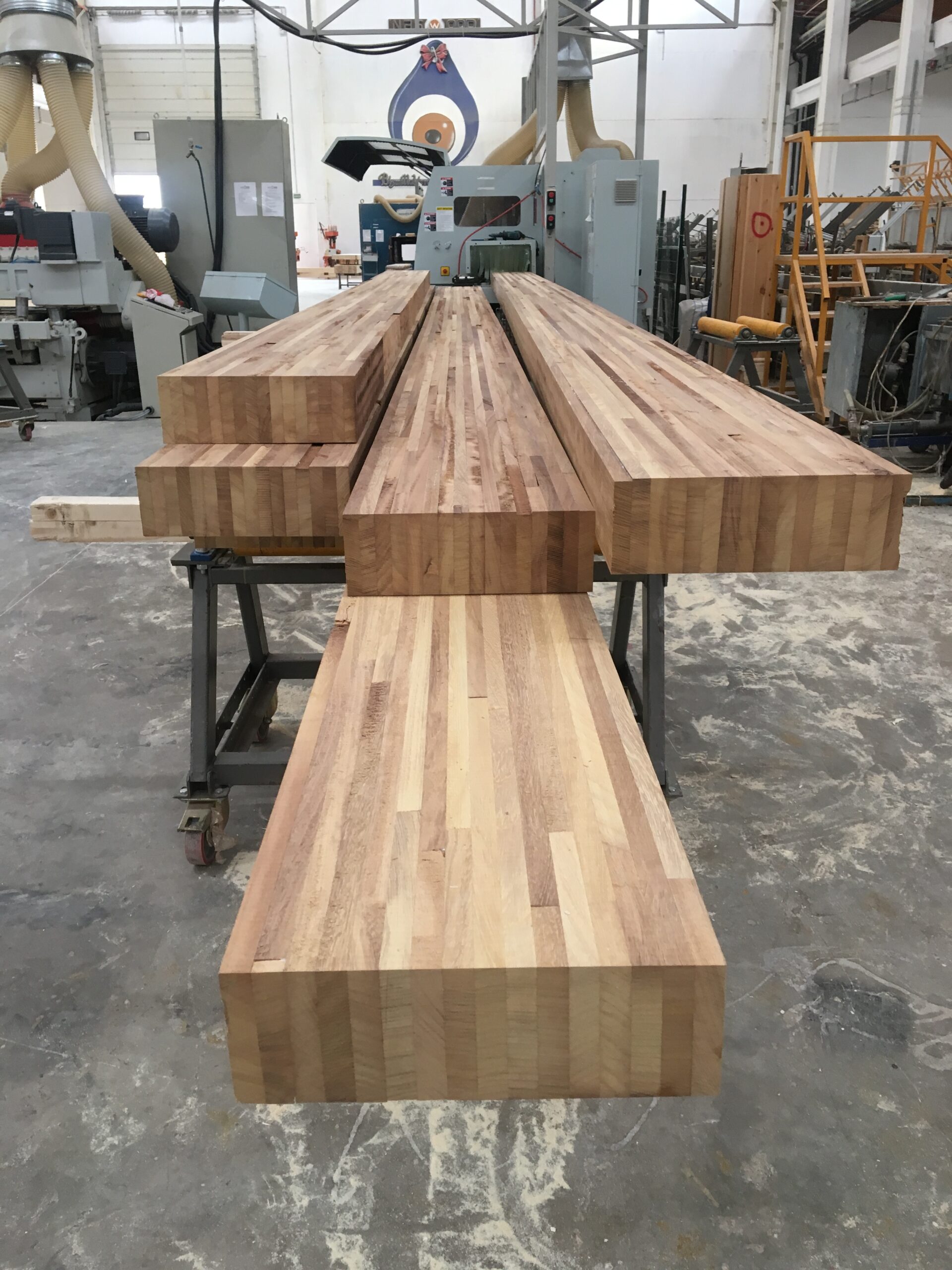
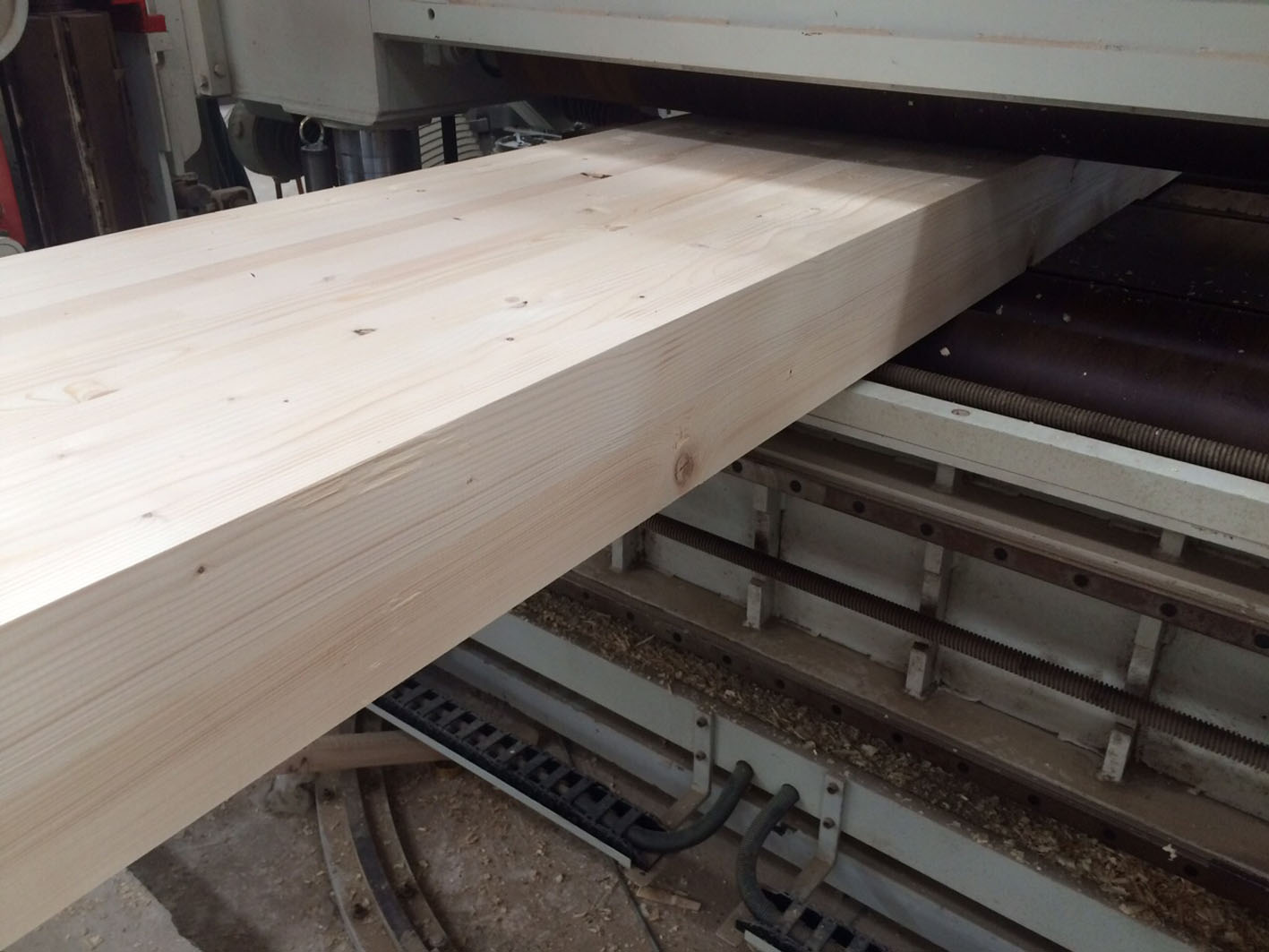
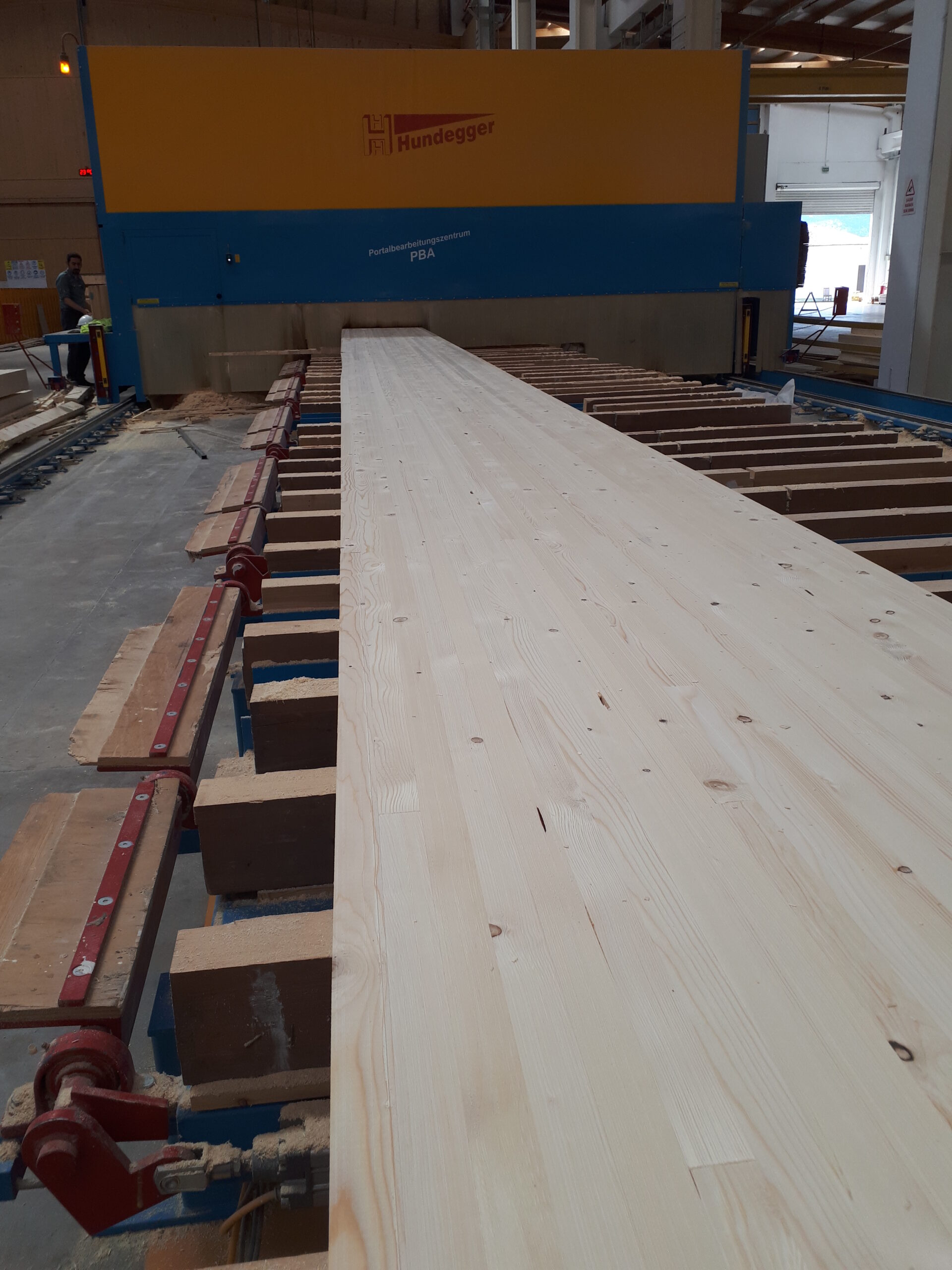
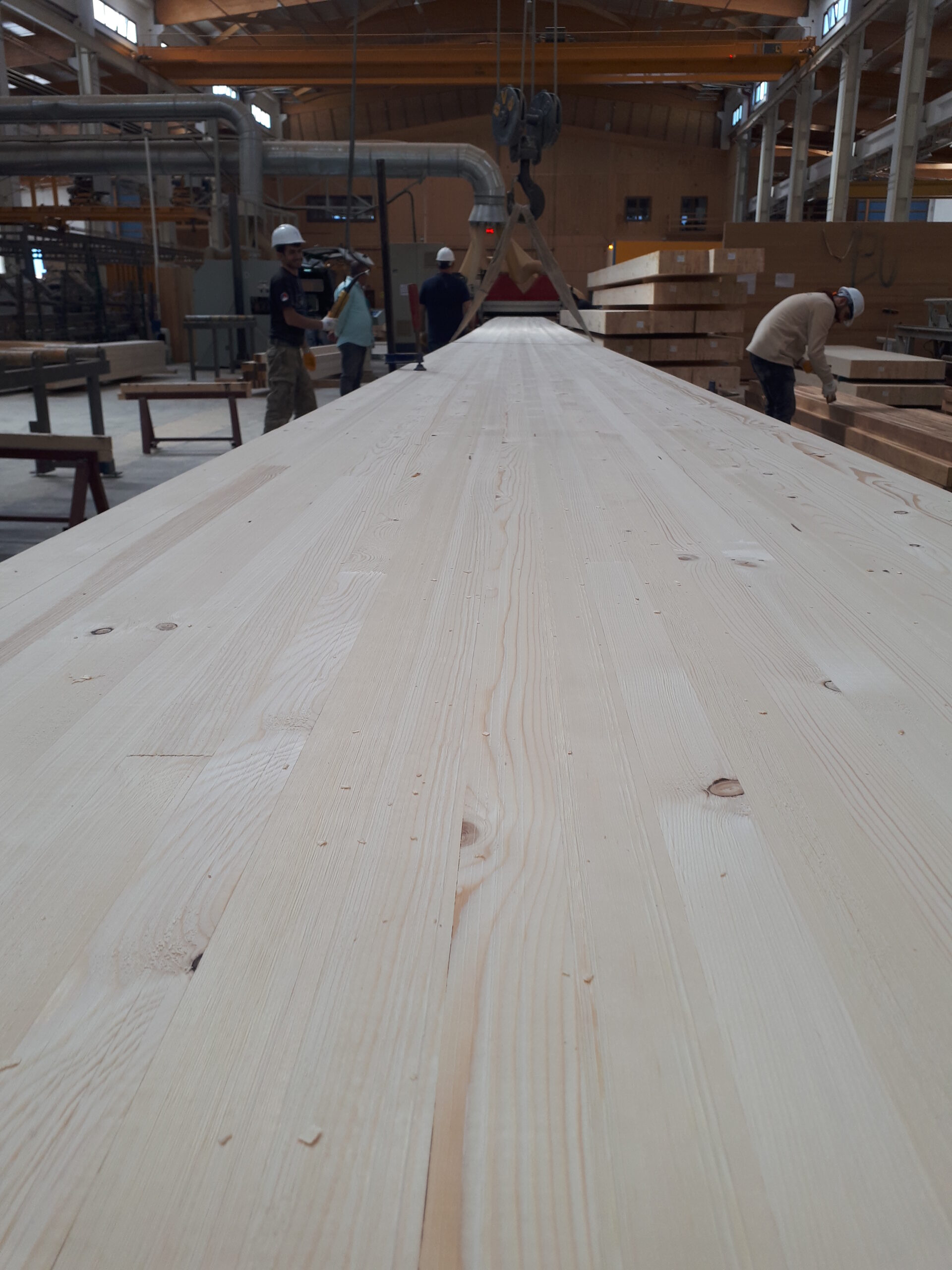
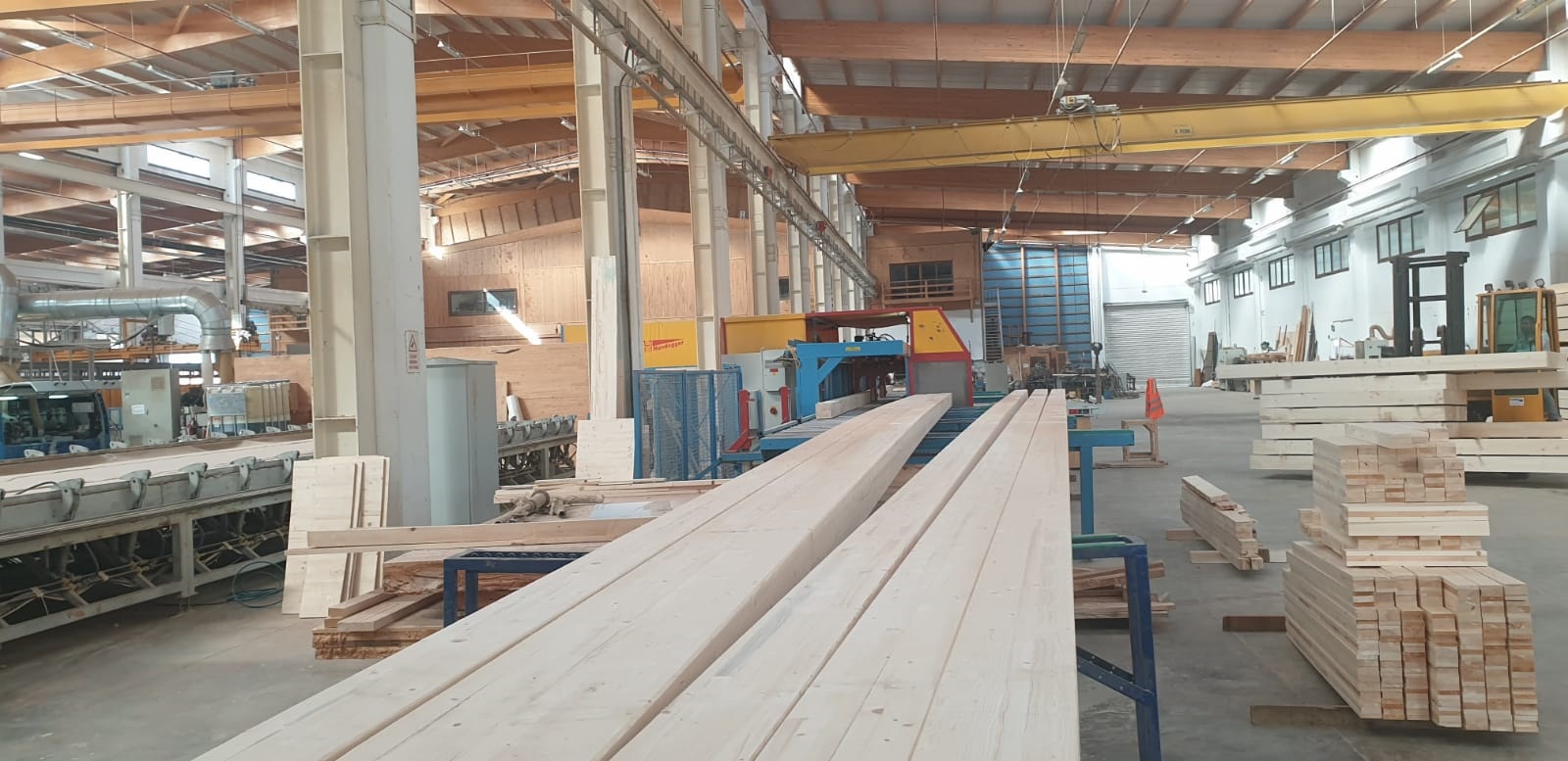
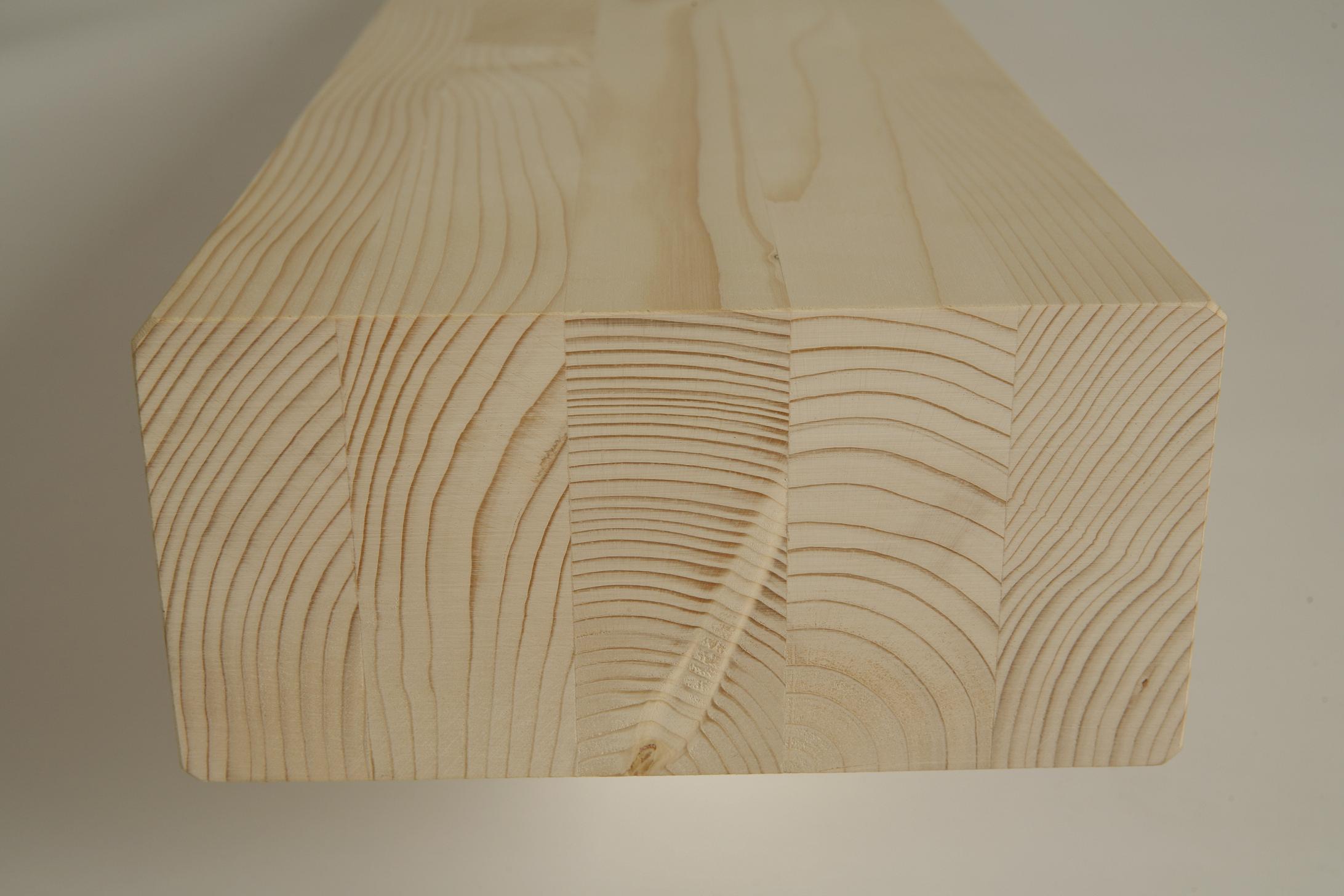
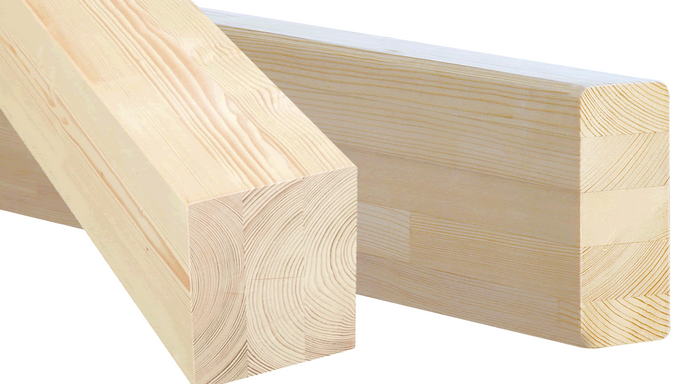
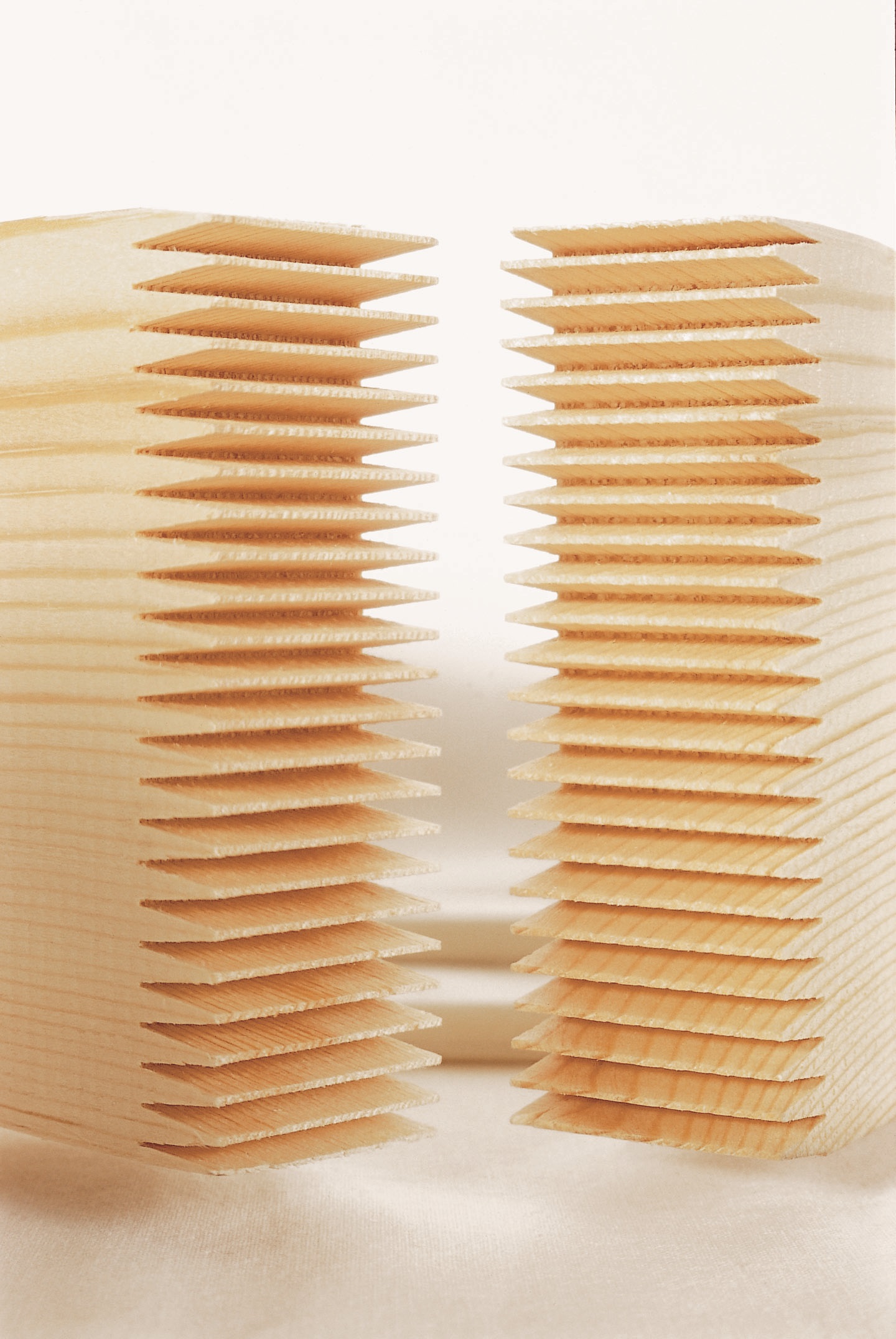
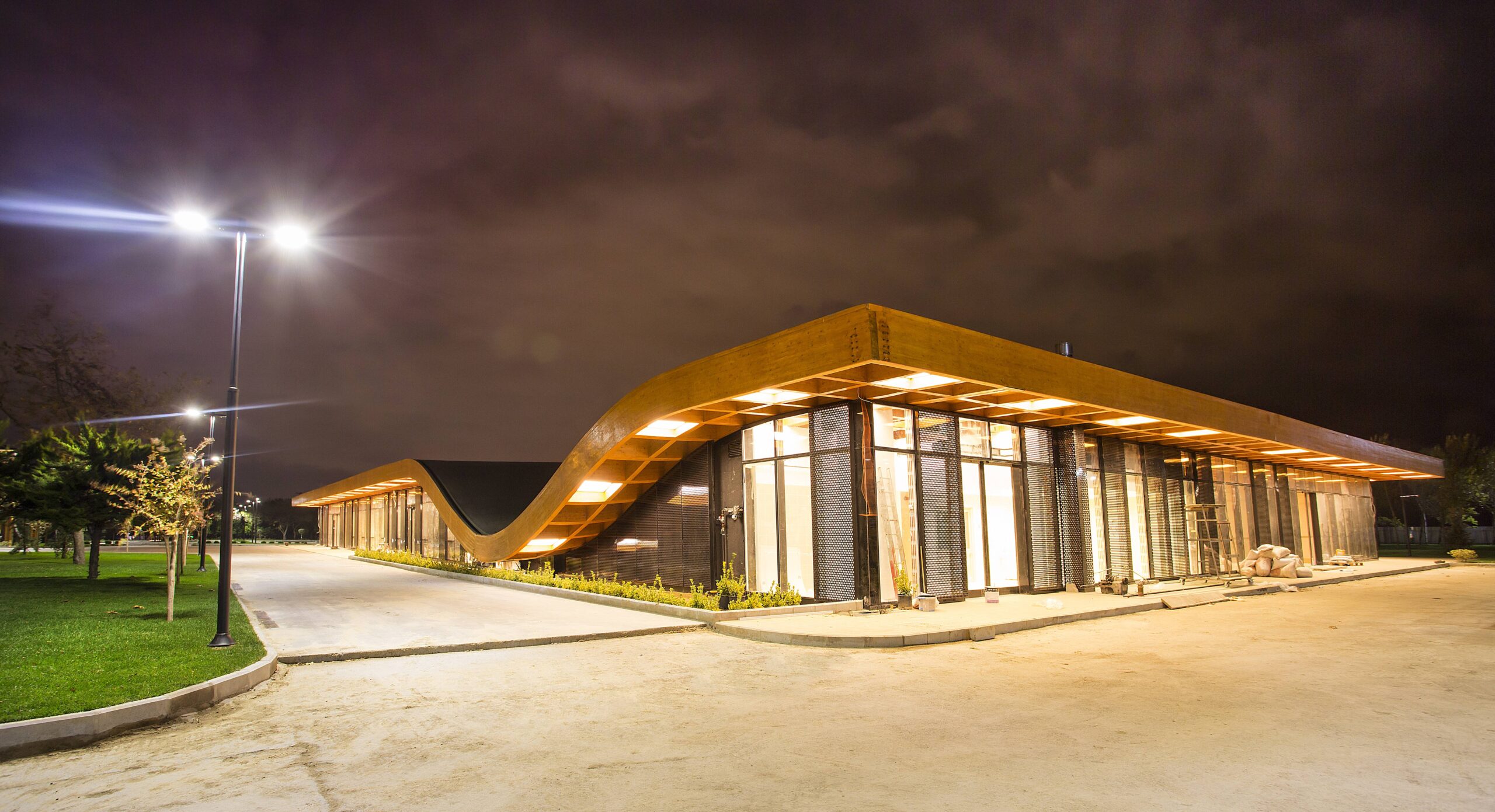
Naslam با استفاده از فناوری‌های Finger Joint و لمینیشن، عناصر چوبی سازه‌ای یکپارچه تا ارتفاع ۳٫۳ متر و طول ۴۵ متر تولید می‌کند. لمینیشن چوب فرایندی است که در آن لایه‌های مستقل چوب (لاملا) با روش‌های تخصصی صنعتی به یکدیگر چسبانده و پرس می‌شوند تا مقاطع چوبی بزرگ‌تر به دست آید. کیفیت چوب لمینیت‌شده حاصل از این روش از چوب یکپارچه معمولی بالاتر است. «عناصر چوبی لمینیت‌شده بر اساس ضخامت لایه‌های مورد استفاده نام‌گذاری می‌شوند. در تولید اعضای بزرگ چوبی لمینیت‌شده مورد استفاده در صنعت ساختمان مانند تیر، ستون و قوس، از لایه‌های چوب یکپارچه با ضخامت ۲۰ تا ۴۵ میلی‌متر استفاده می‌شود. این نوع چوب لمینیت‌شده GLULAM (Glued Laminated Timber) نام دارد.» لاملاهای چوبی با روش اتصال طولی ویژه‌ای به نام Finger Joint در طول‌های مورد نیاز تولید و سپس با فناوری لمینیشن به هم متصل می‌شوند. در فرایند Finger Joint، پس از حذف عیوب چوب، دندانه‌های مخروطی ایجاد شده، چسب اعمال می‌شود و قطعات به‌صورت سر به سر متصل و پرس می‌شوند. این روش یکی از مناسب‌ترین راهکارها برای افزایش طول چوب است و پس از اجرا، سختی سازه‌ای عضو چوبی را نیز افزایش می‌دهد. این فرایند با تبدیل قطعات کوچک چوب به اعضای بزرگ سازه‌ای، چوبی زیبا و مقاوم فراهم می‌کند که امکان خلق فرم‌های شاخص معماری را به وجود می‌آورد.

چوب لمینیت تولیدشده (مترمکعب)

50000+

تعداد پروژه‌های اجراشده

900+

مساحت تأسیسات (مترمربع)

49000+

سابقه فعالیت (سال)

35+
  • Naswood با استفاده از تکنیک‌های Finger Joint و لمینیشن، عناصر چوبی سازه‌ای یکپارچه تا ارتفاع ۳٫۳ متر و طول ۴۵ متر تولید می‌کند.
  • لمینیشن چوب فرآیندی است که در آن لایه‌های مستقل چوب (لامل) با روش‌های صنعتی ویژه به یکدیگر چسبانده و پرس می‌شوند تا عناصر چوبی بزرگ‌تر تولید شوند. کیفیت چوب لمینیت تولیدشده با این تکنیک از چوب یکپارچه معمولی با ابعاد مشابه بالاتر است.
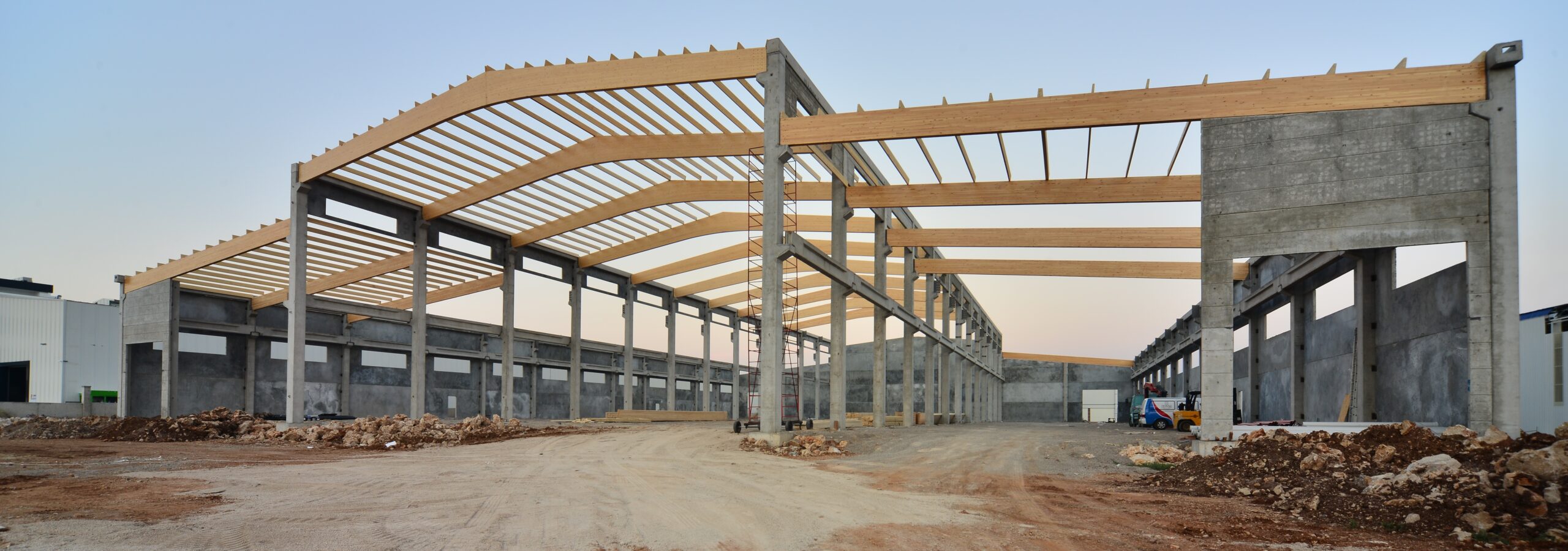
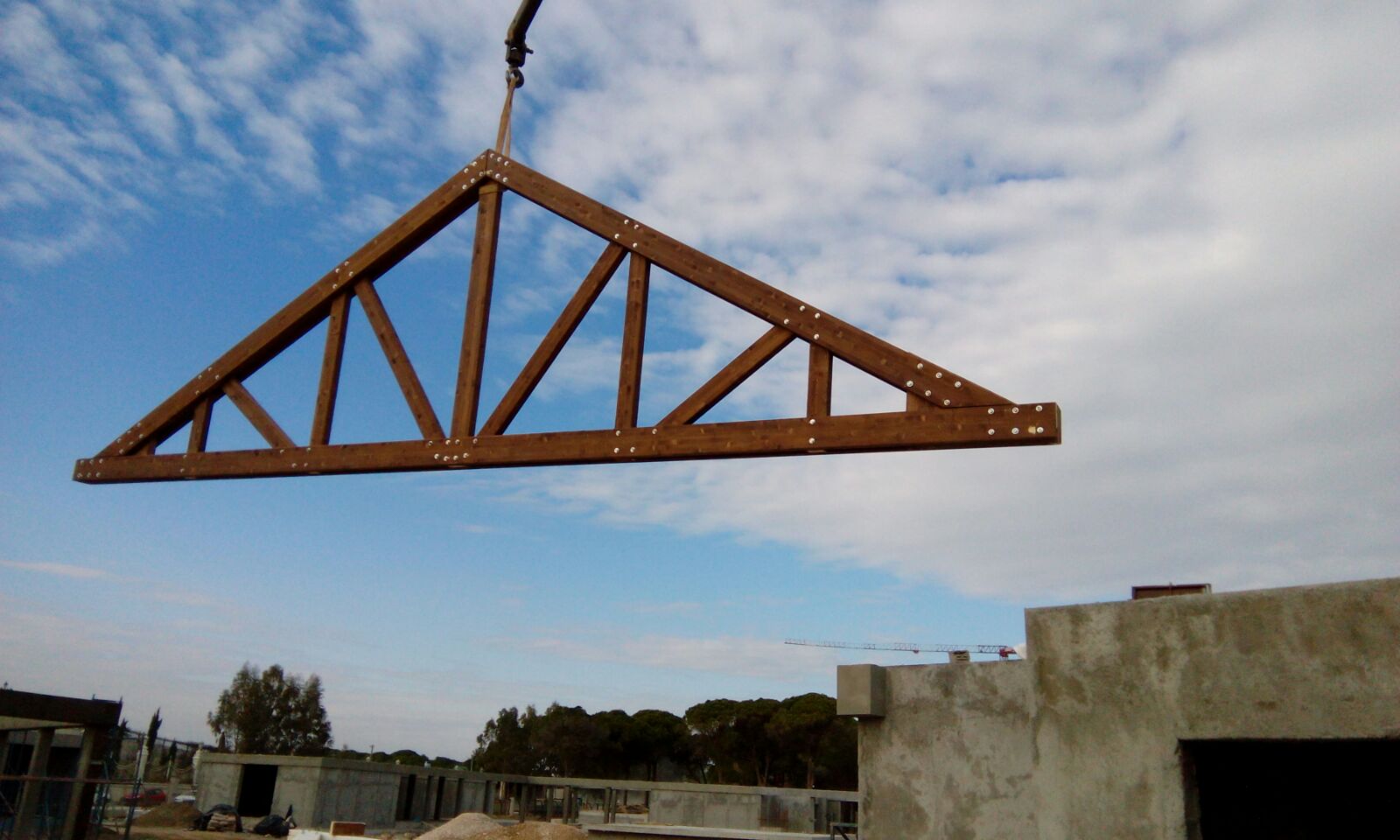
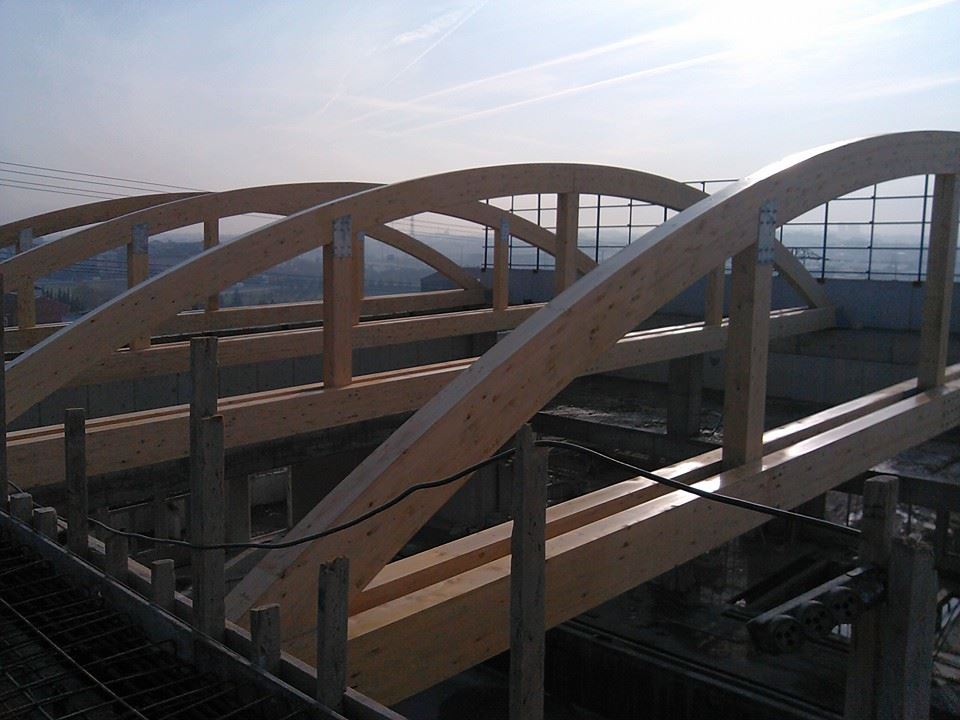
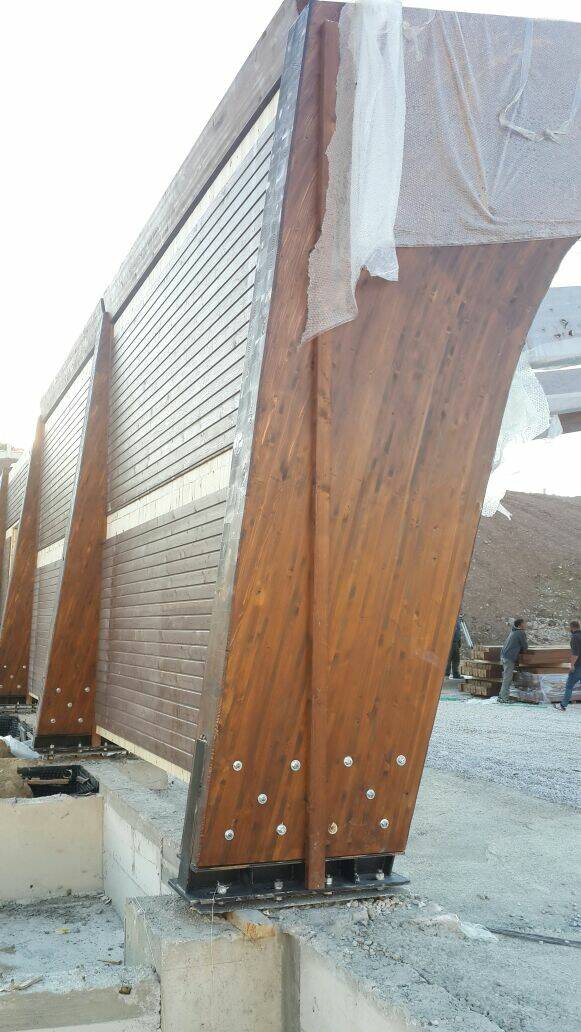
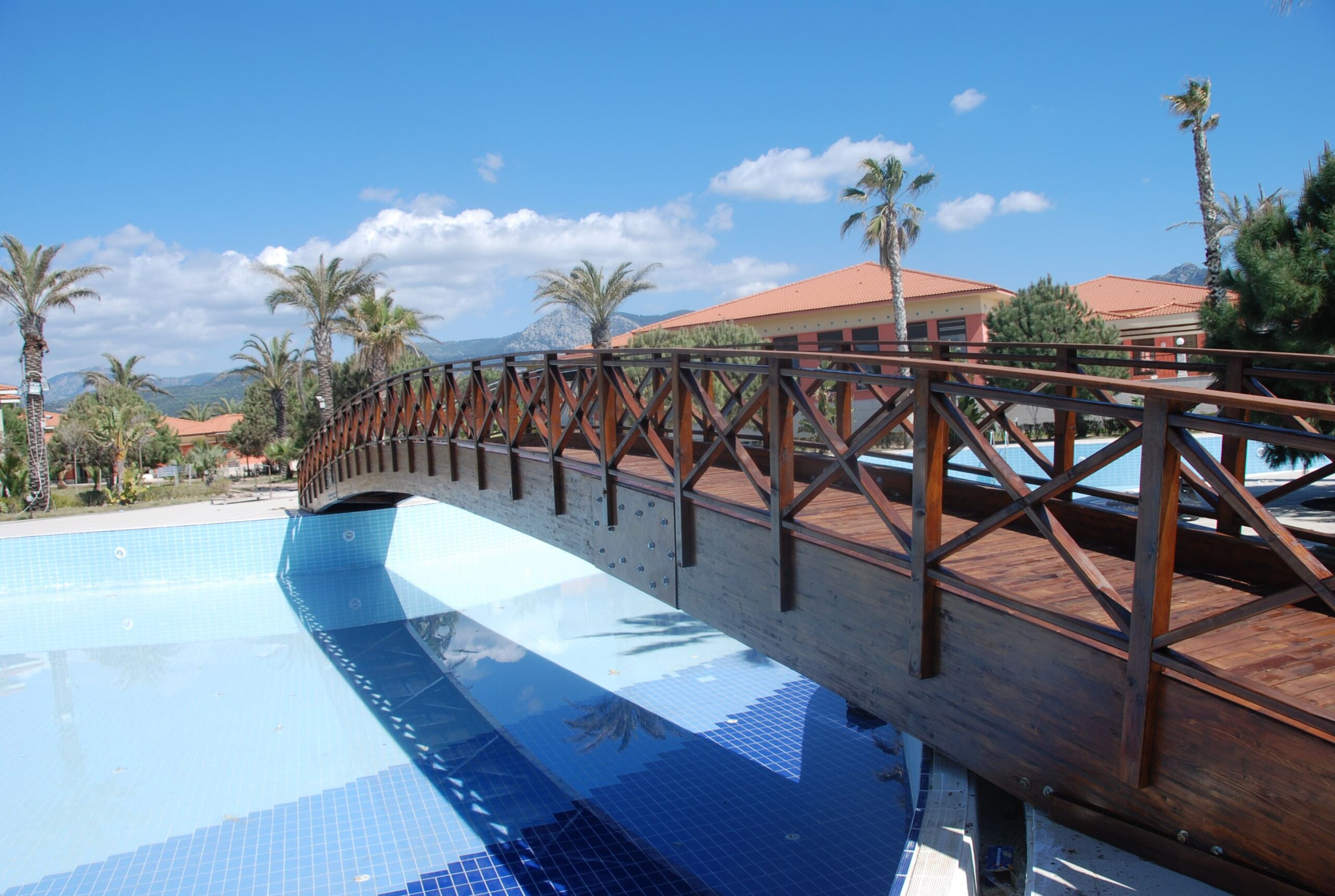
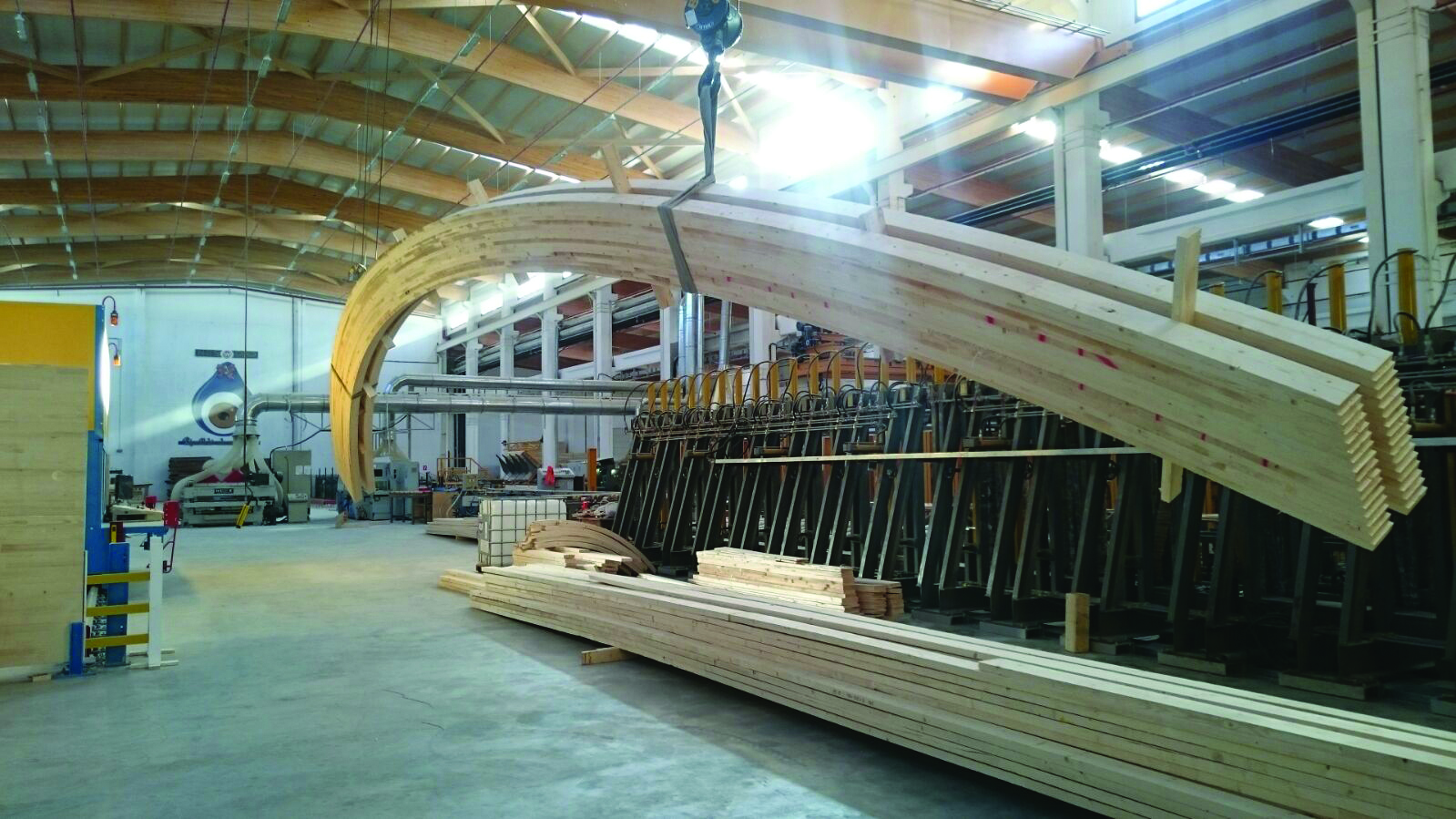
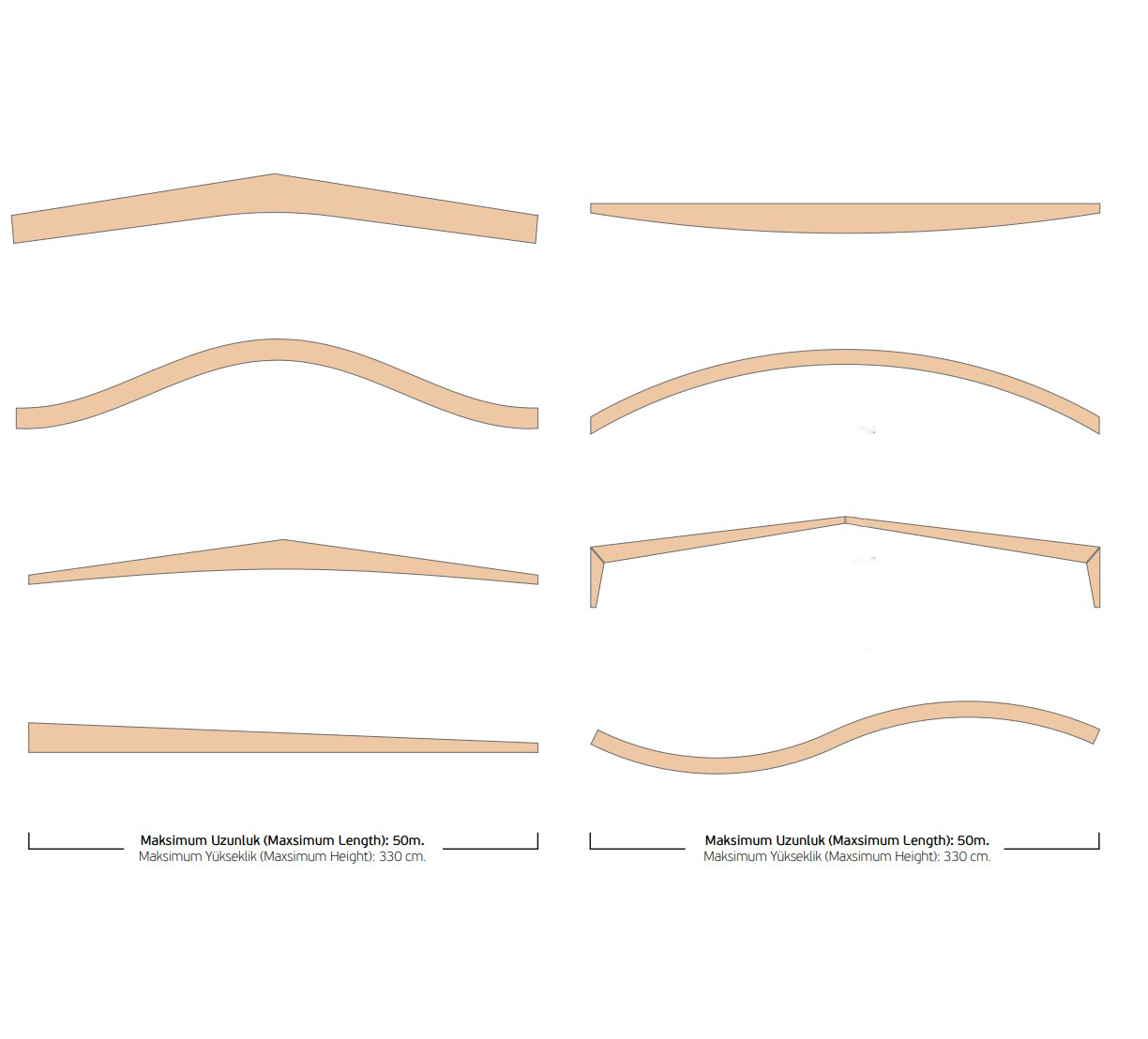
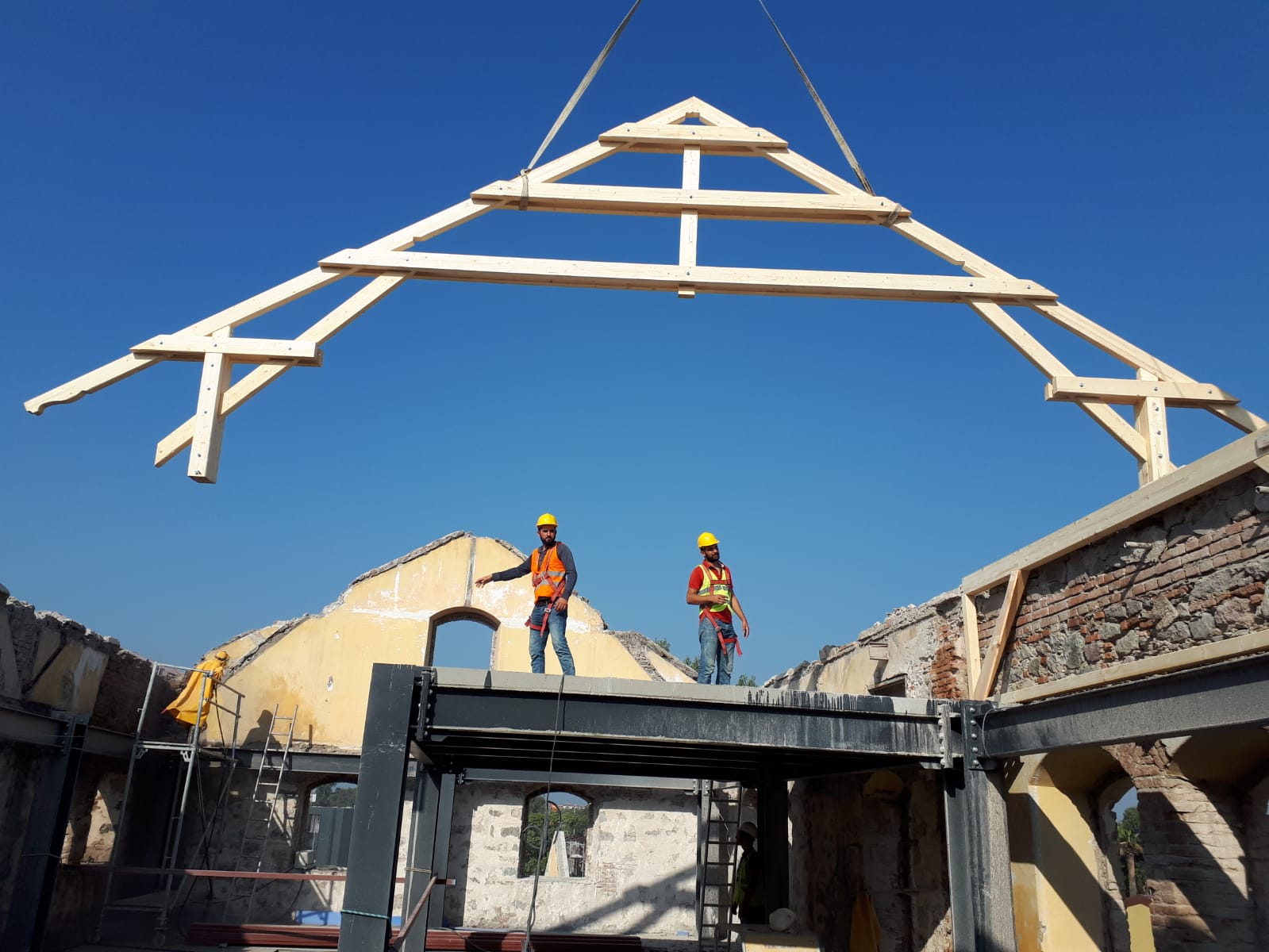
  • ظرفیت باربری و مقاومت مکانیکی آن بسیار بالاست. Naslam، تولیدکننده چوب لمینیت گروه ما، می‌تواند تیر، ستون، خرپا، قوس و بسیاری از عناصر سازه‌ای چوبی دیگر را در فرم‌های گوناگون و به‌صورت سفارشی تولید کند.
  • Laminated timber, which is finding an increasingly broad range of applications in the construction sector, is defined as a structural element produced by bonding timber lamellas with their fibers primarily parallel to one another. Spruce and pine species are used in this technology. Laminated timber elements are named differently according to the thickness of the layers used. In the production of large-format laminated timber used in construction—such as beams, columns and arches—solid timber lamellas between 20 mm and 45 mm thick are used, and laminated timber with these characteristics is known as GLULAM (Glued Laminated Timber).

GLULAM BEAM

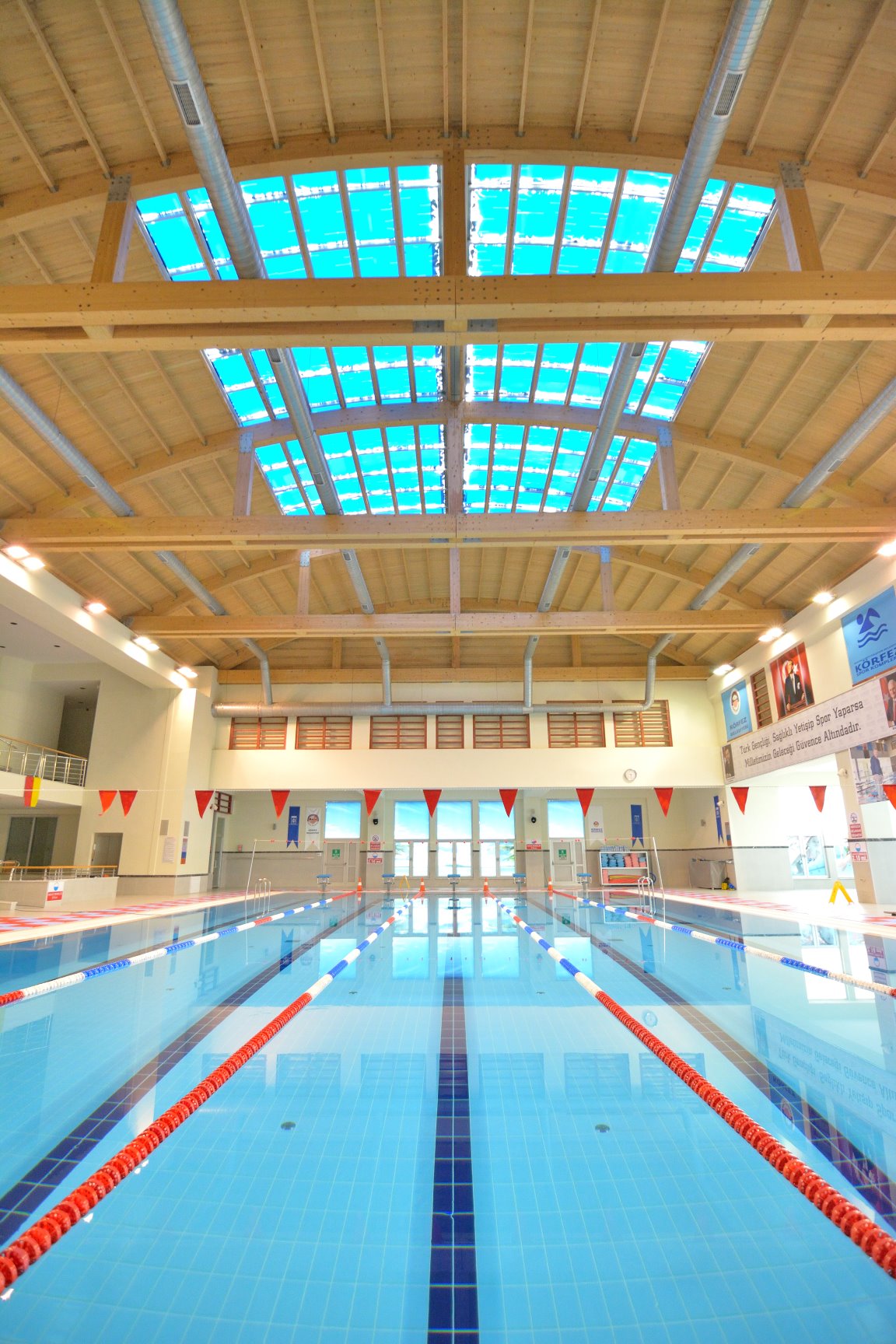
 A glulam beam is a structural product manufactured for laminated-timber load-bearing systems and can be produced in straight or curved forms. Laminated timber is particularly suitable for structures with heavy loads and long spans where dimensional stability and aesthetic appearance are important. When the required fire allowance is added to the structural design dimensions, glulam offers excellent fire resistance compared with many other materials.

Because of their dense and homogeneous structure, laminated beams and columns char evenly and form a protective layer that delays the spread of fire toward the core. Compared with many other building materials, structural failure occurs gradually rather than suddenly.

Because laminated timber structures have a low specific weight compared with concrete and steel while maintaining high mechanical strength, the forces generated during an earthquake can be significantly reduced.

Finger jointing is a length-extension process in which tapered fingers are machined into defect-free timber, adhesive is applied, the pieces are joined end to end and then pressed. It is one of the most reliable methods for joining timber to increase length. After the process, the timber also gains greater rigidity. By transforming smaller timber pieces into large structural elements, finger jointing enables the production of highly aesthetic and robust structural timber capable of creating remarkable architectural forms.

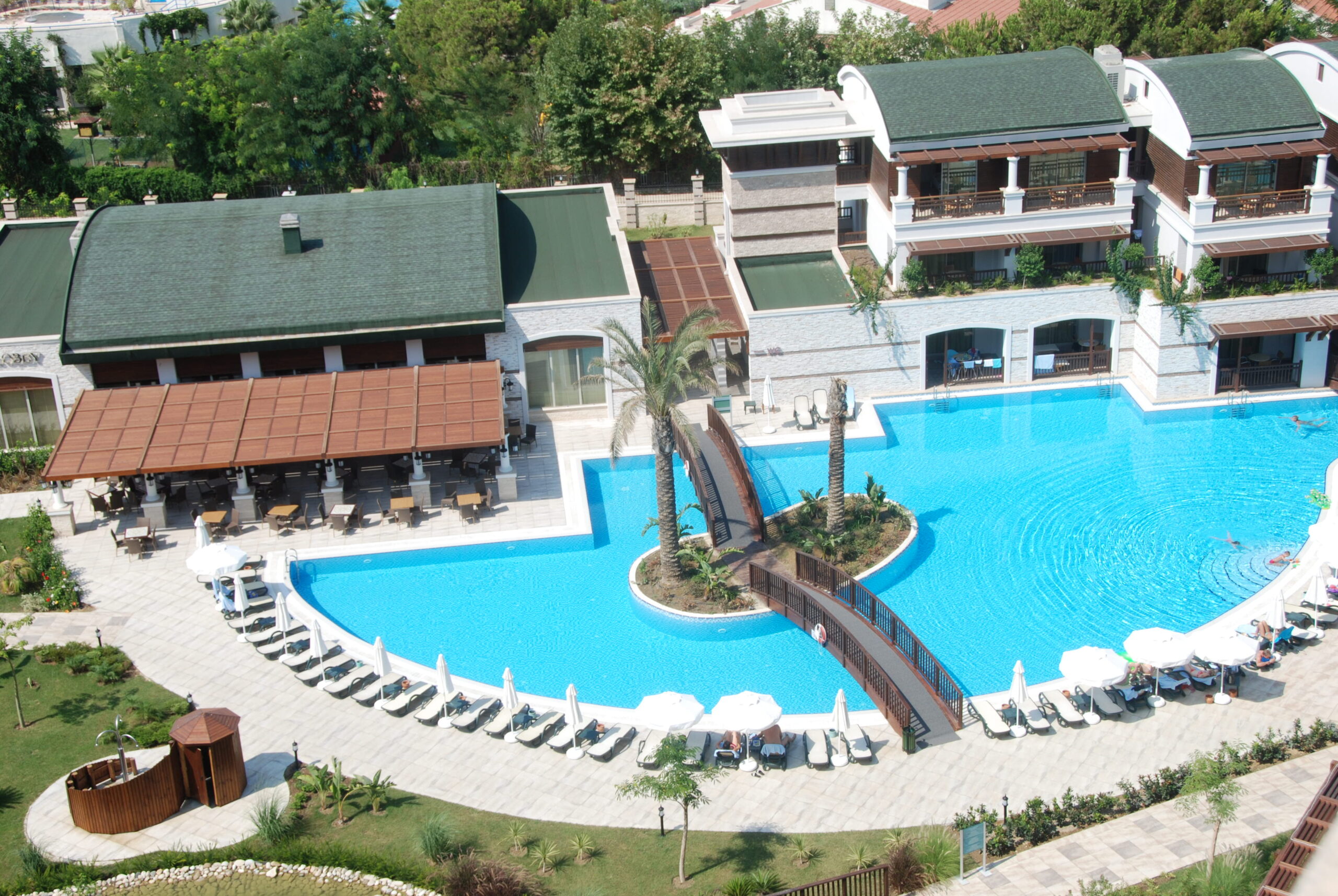
پروژه‌های NASLAM ما

با ما تماس بگیرید!