
STRUCTURAL TIMBER MANUFACTURER “NASWOOD”

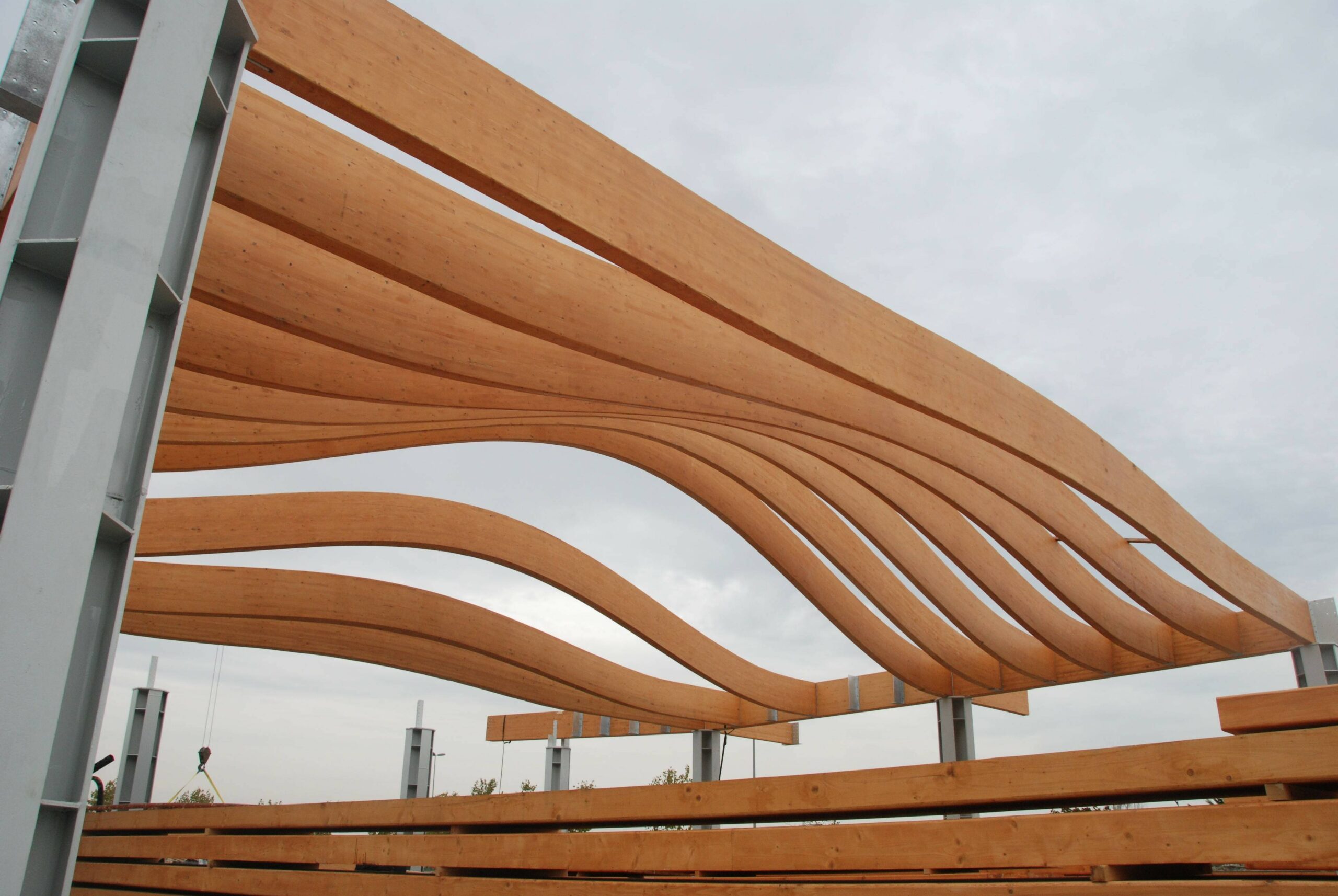
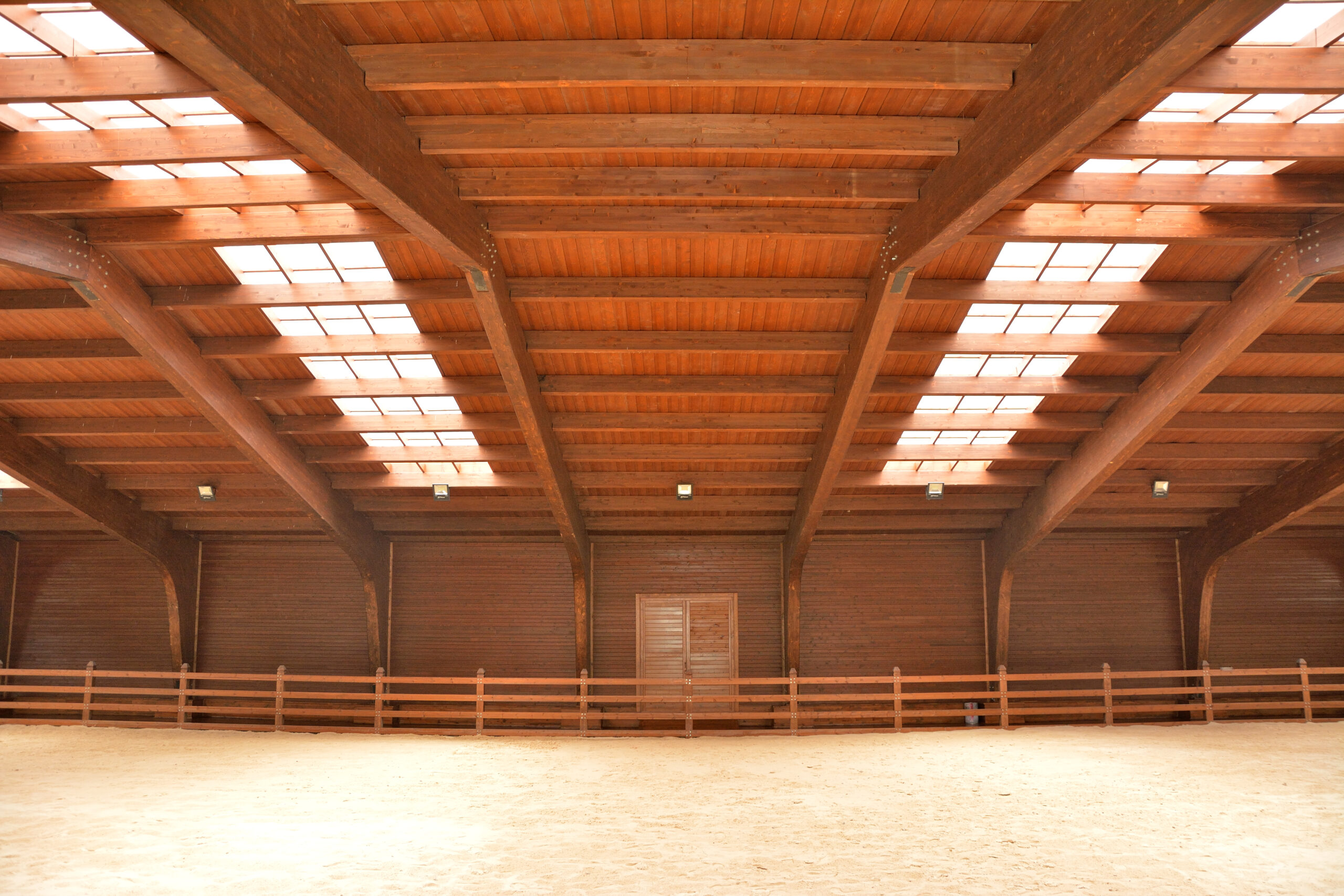
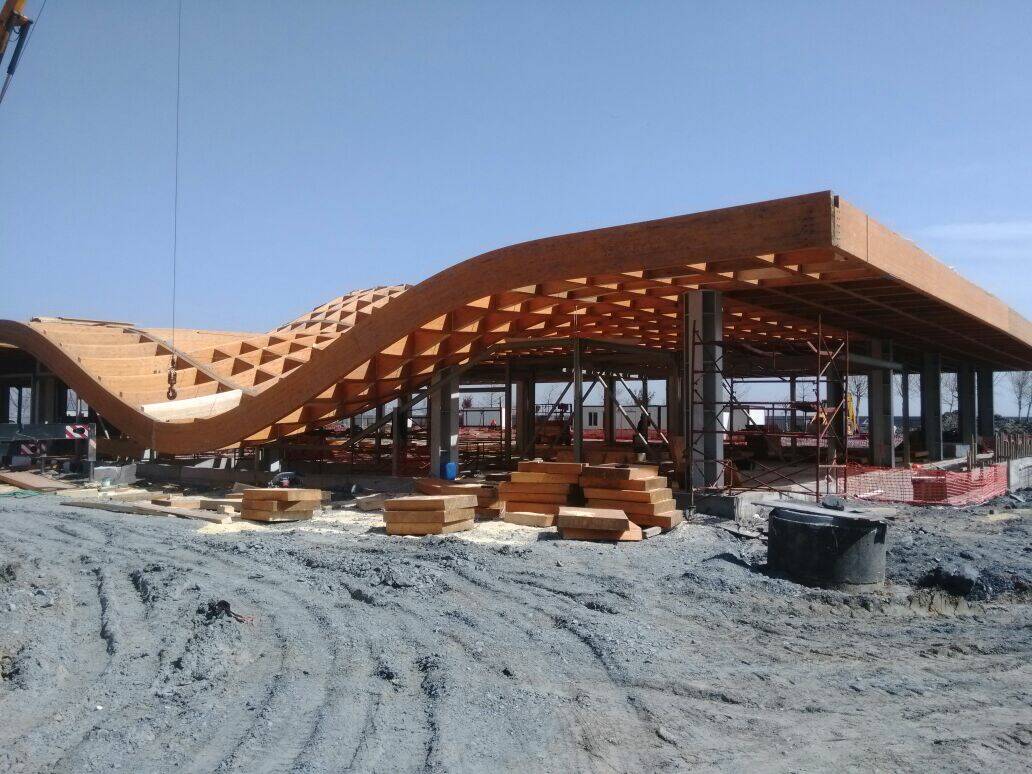
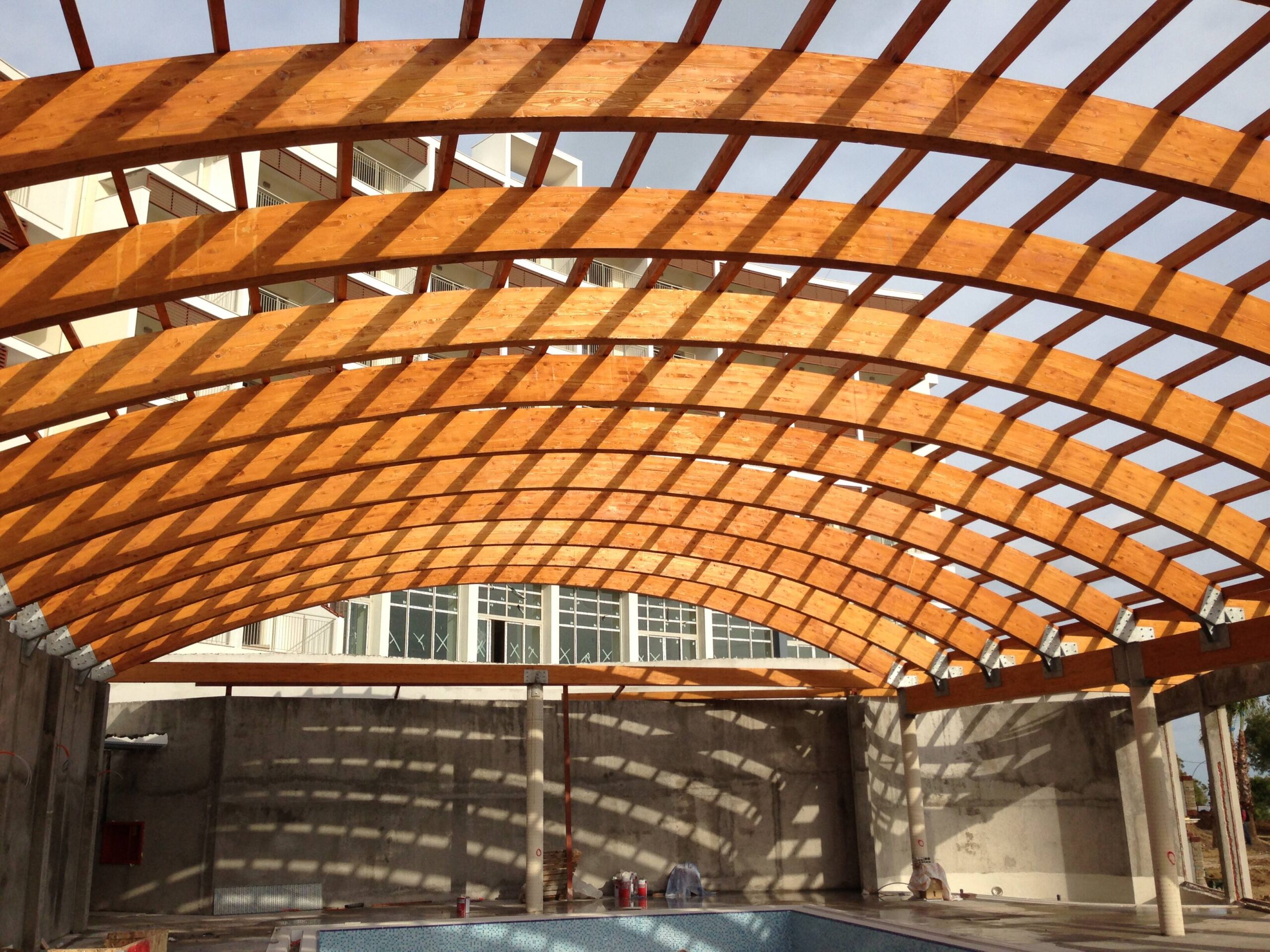
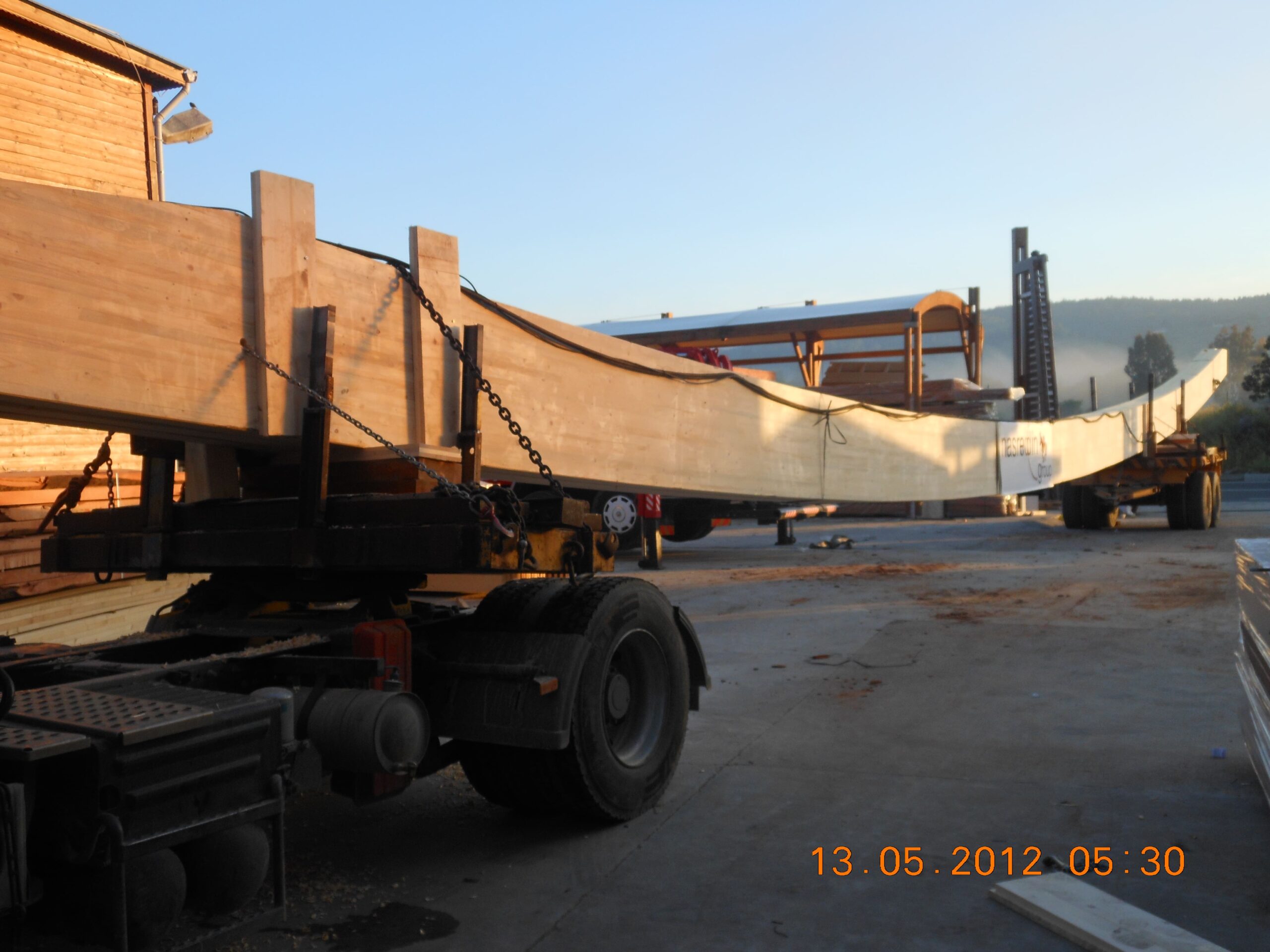
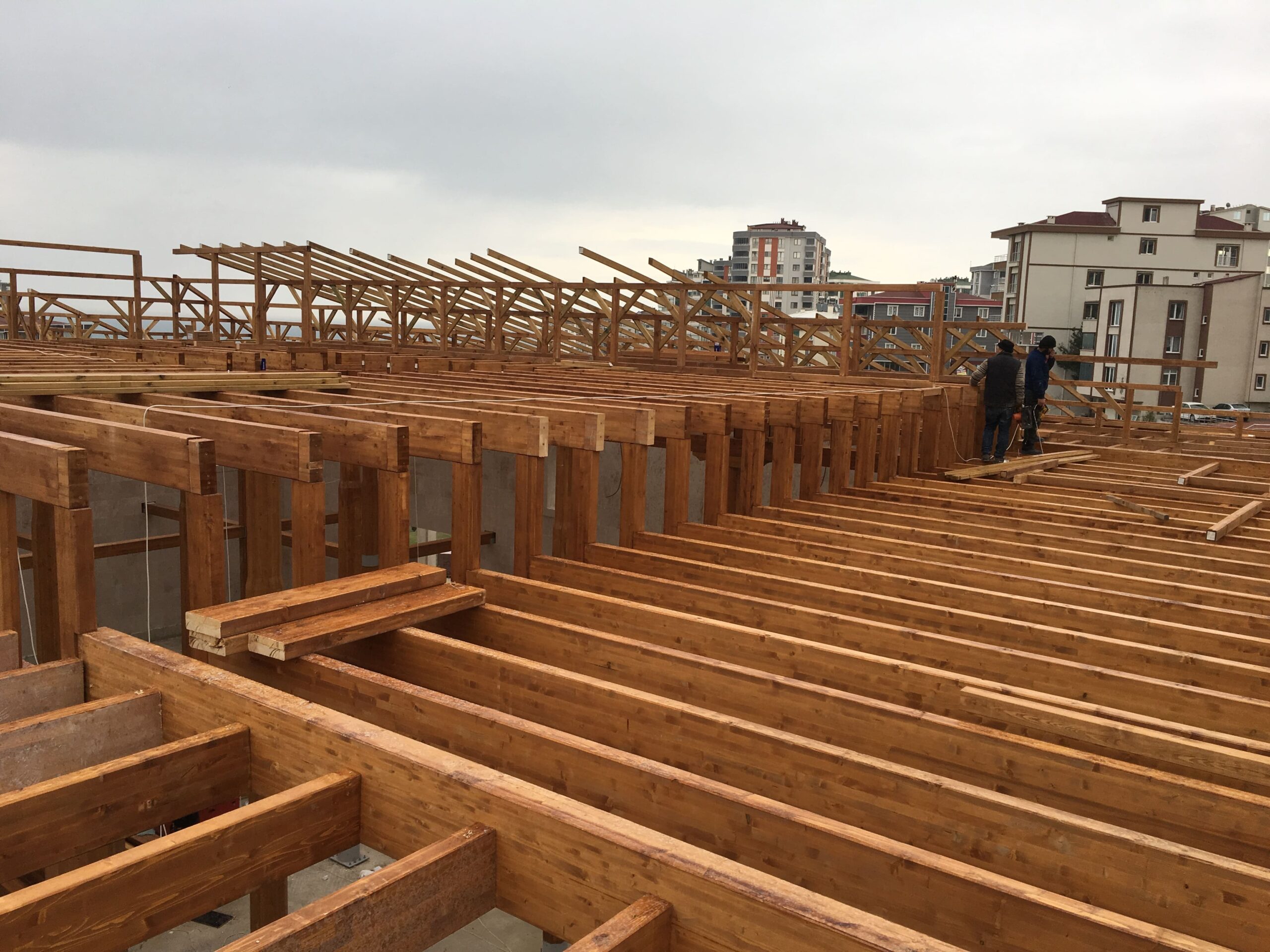
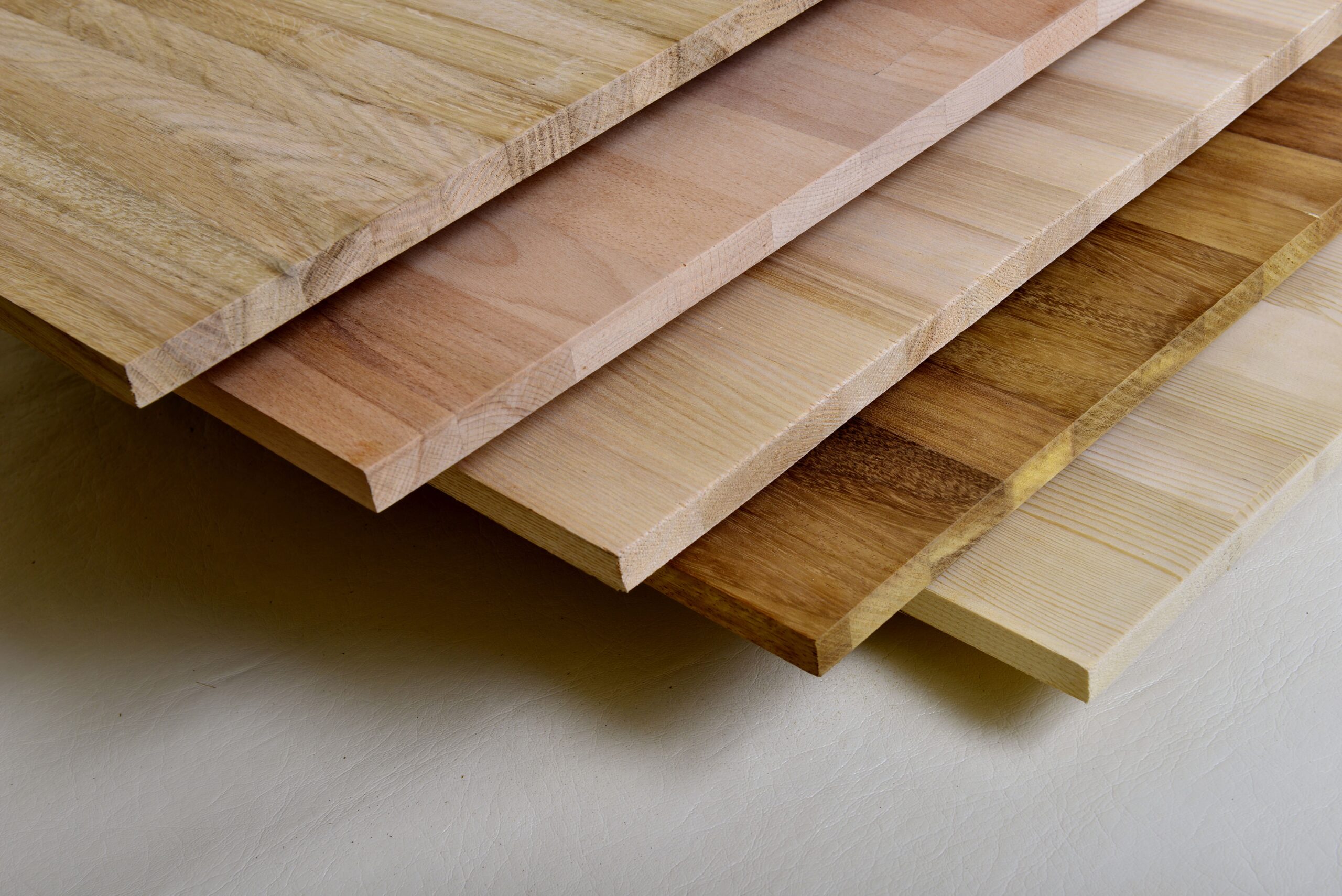
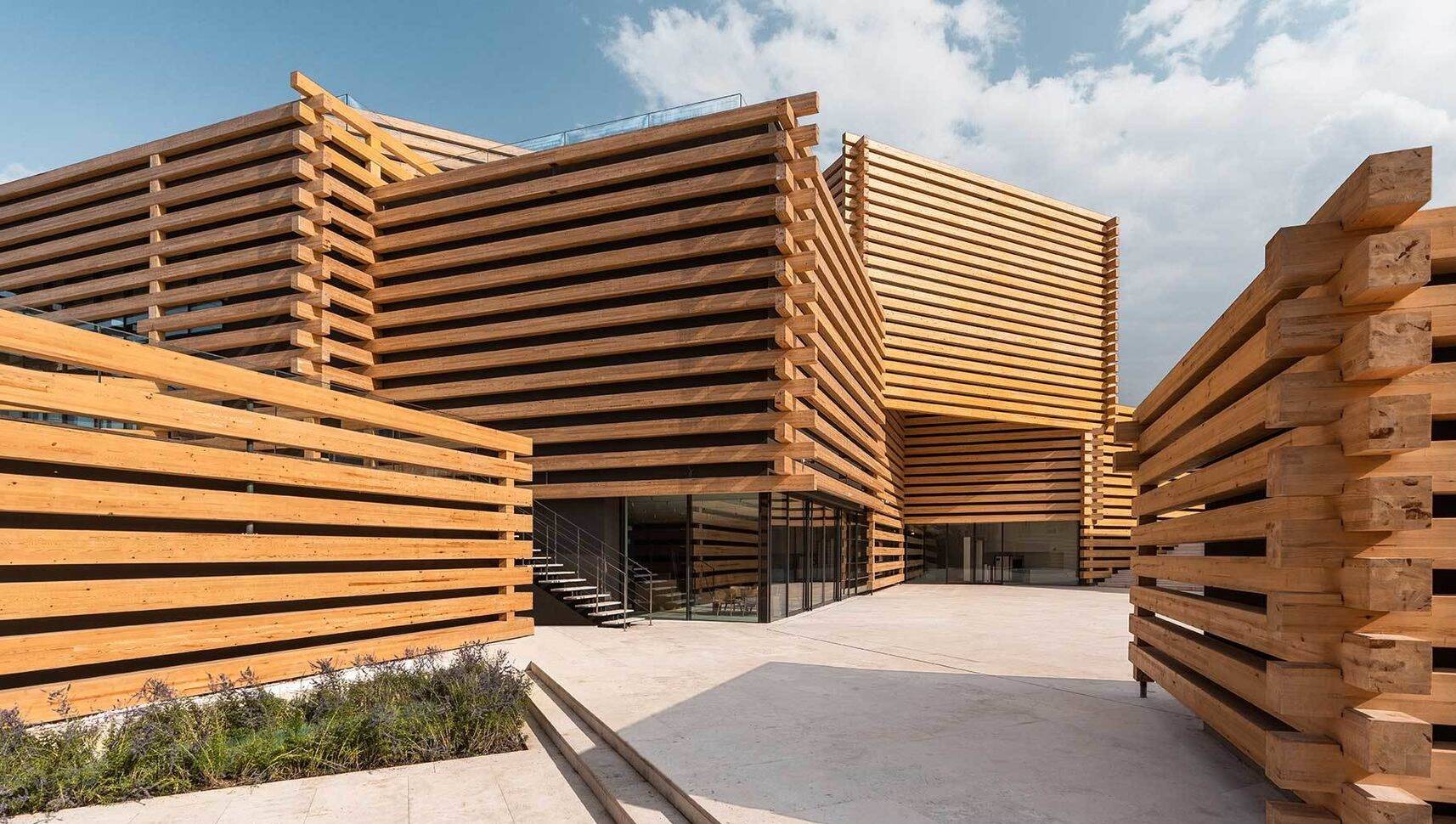
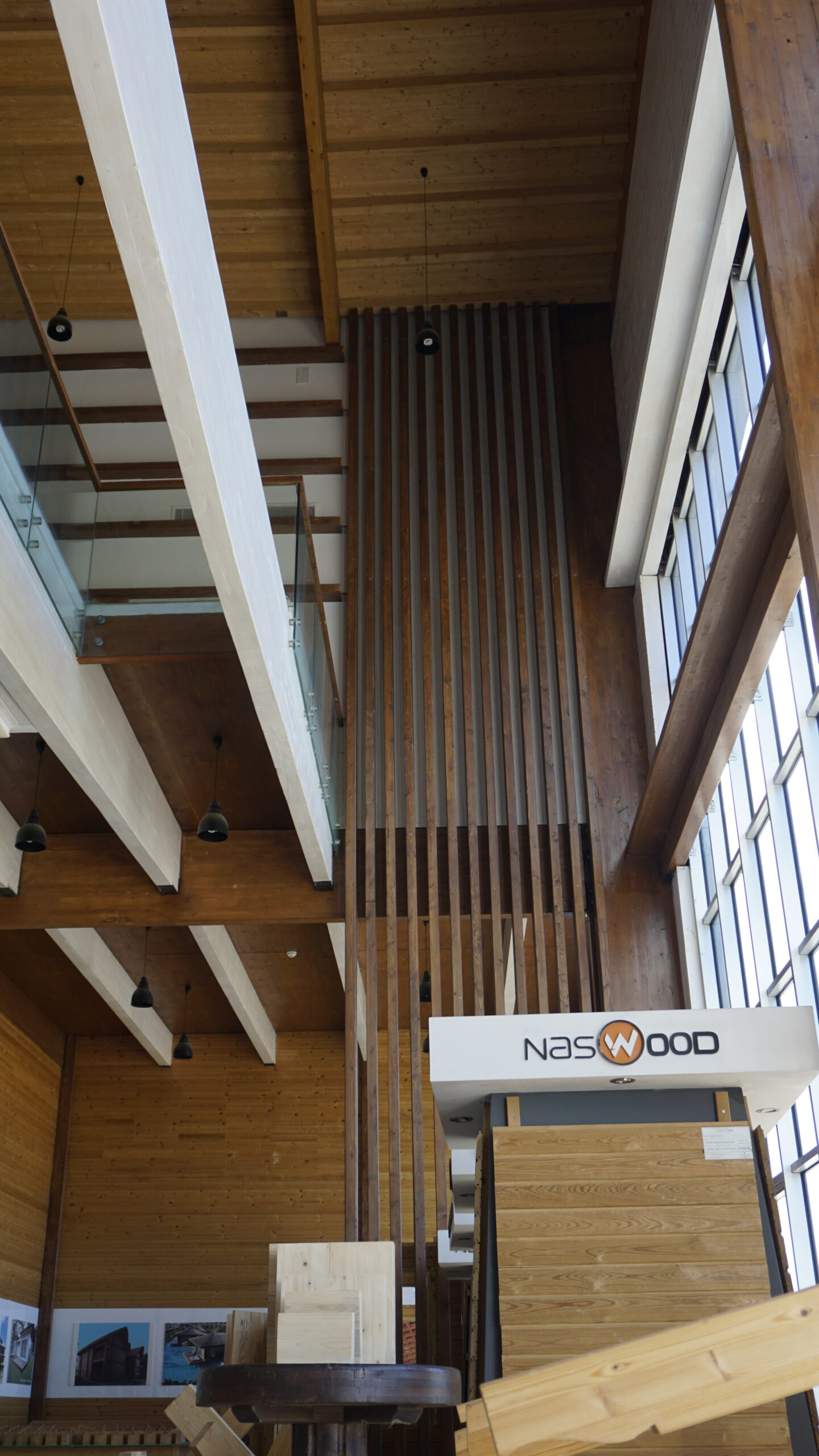
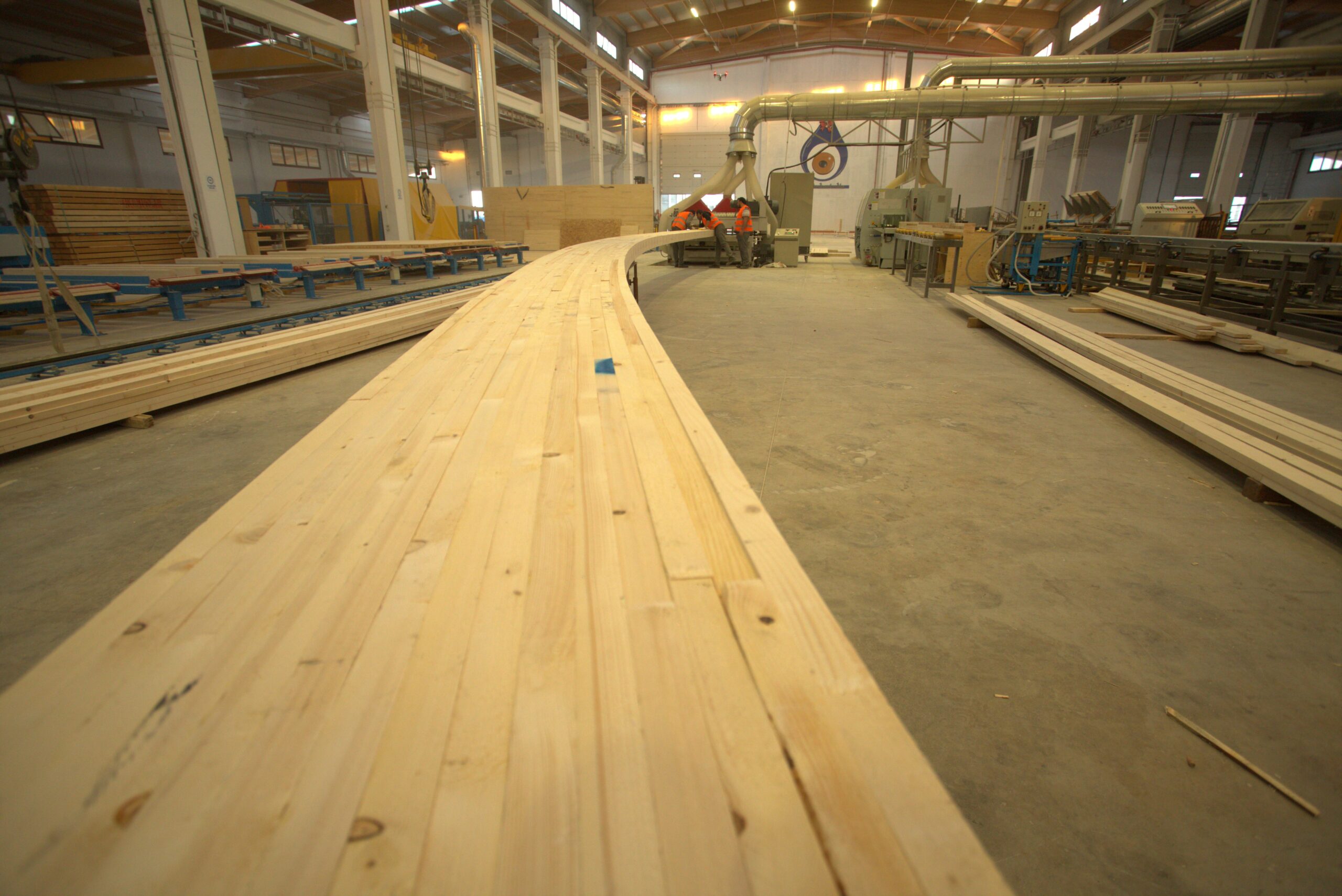
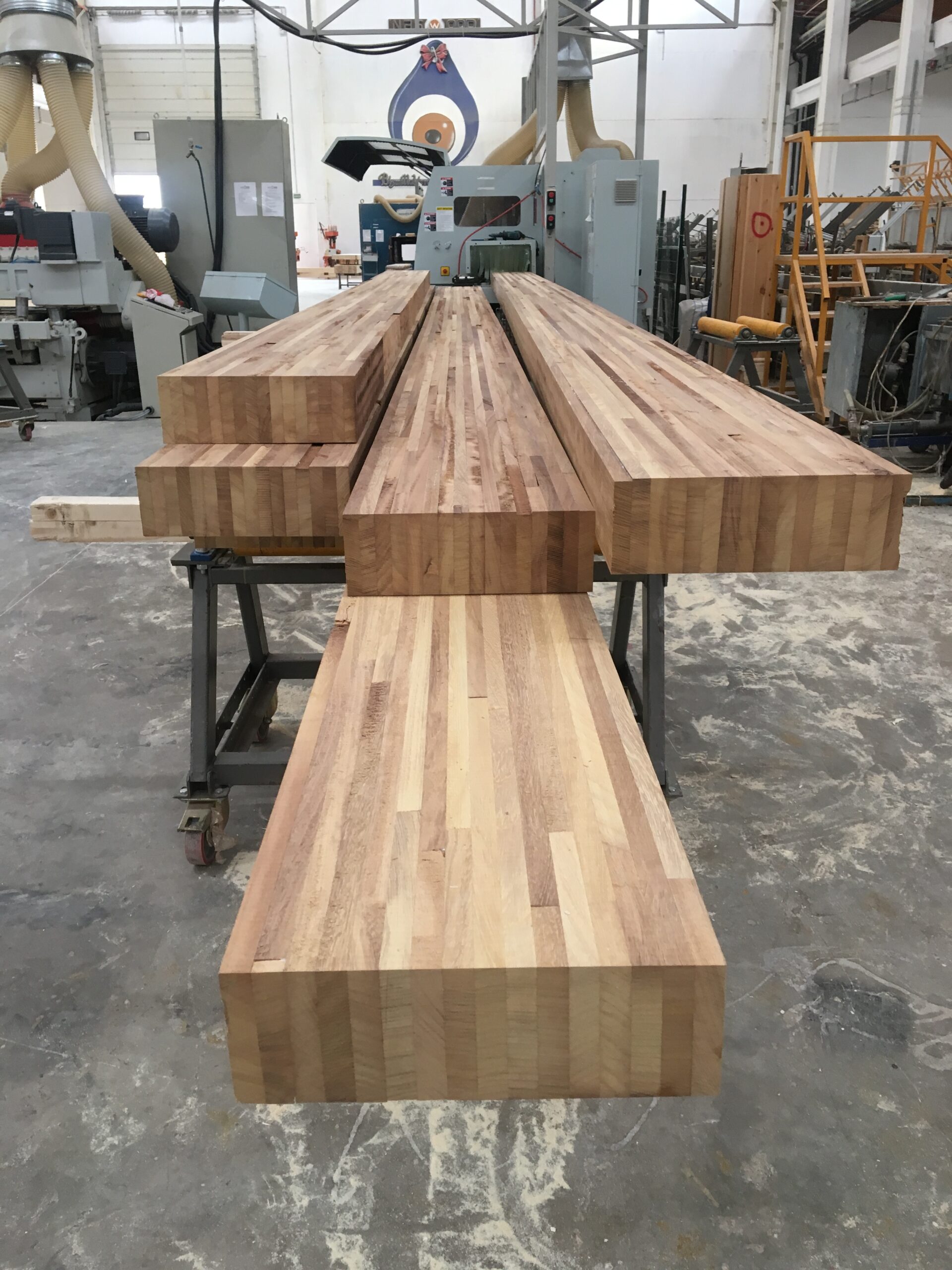
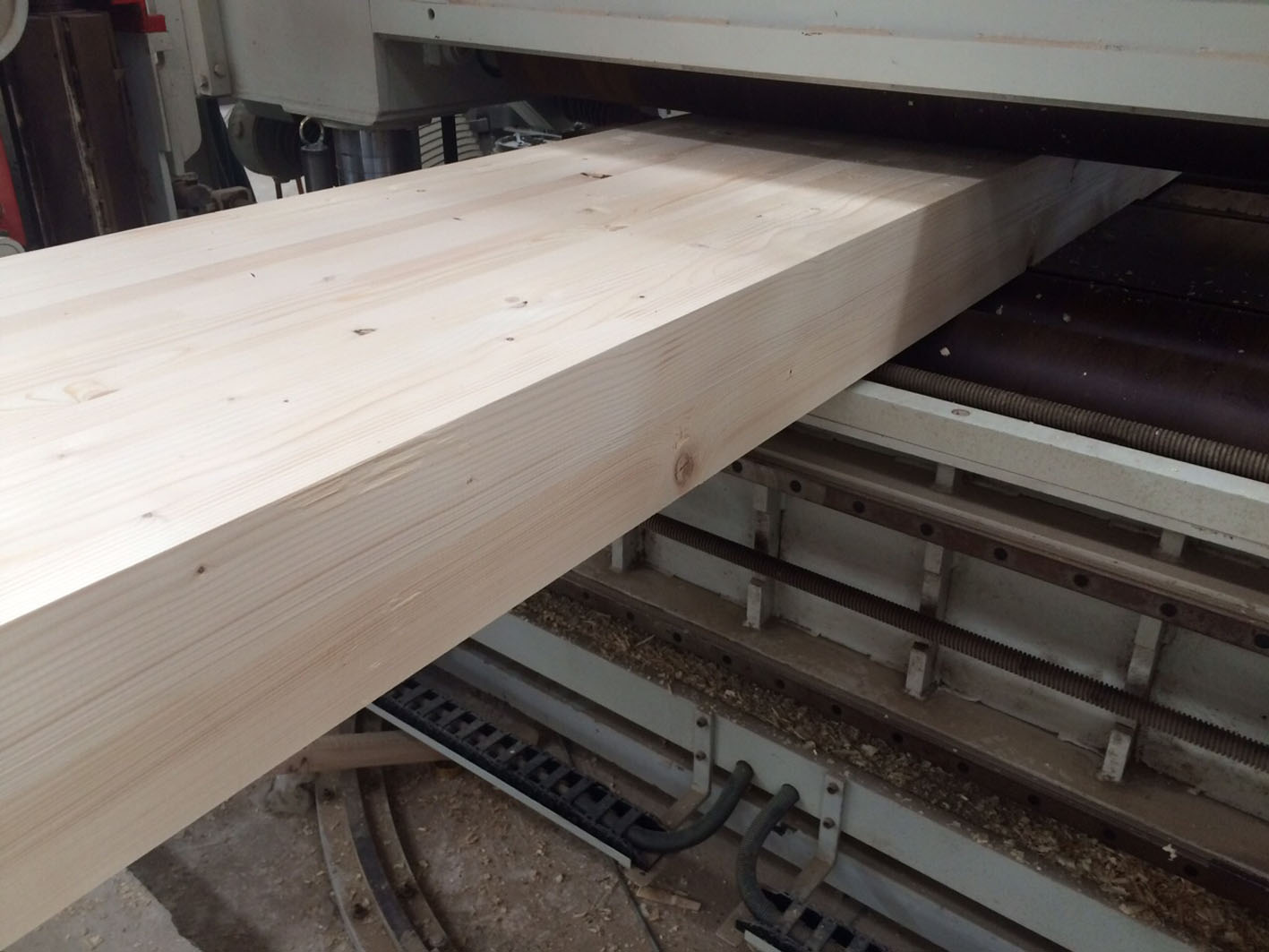
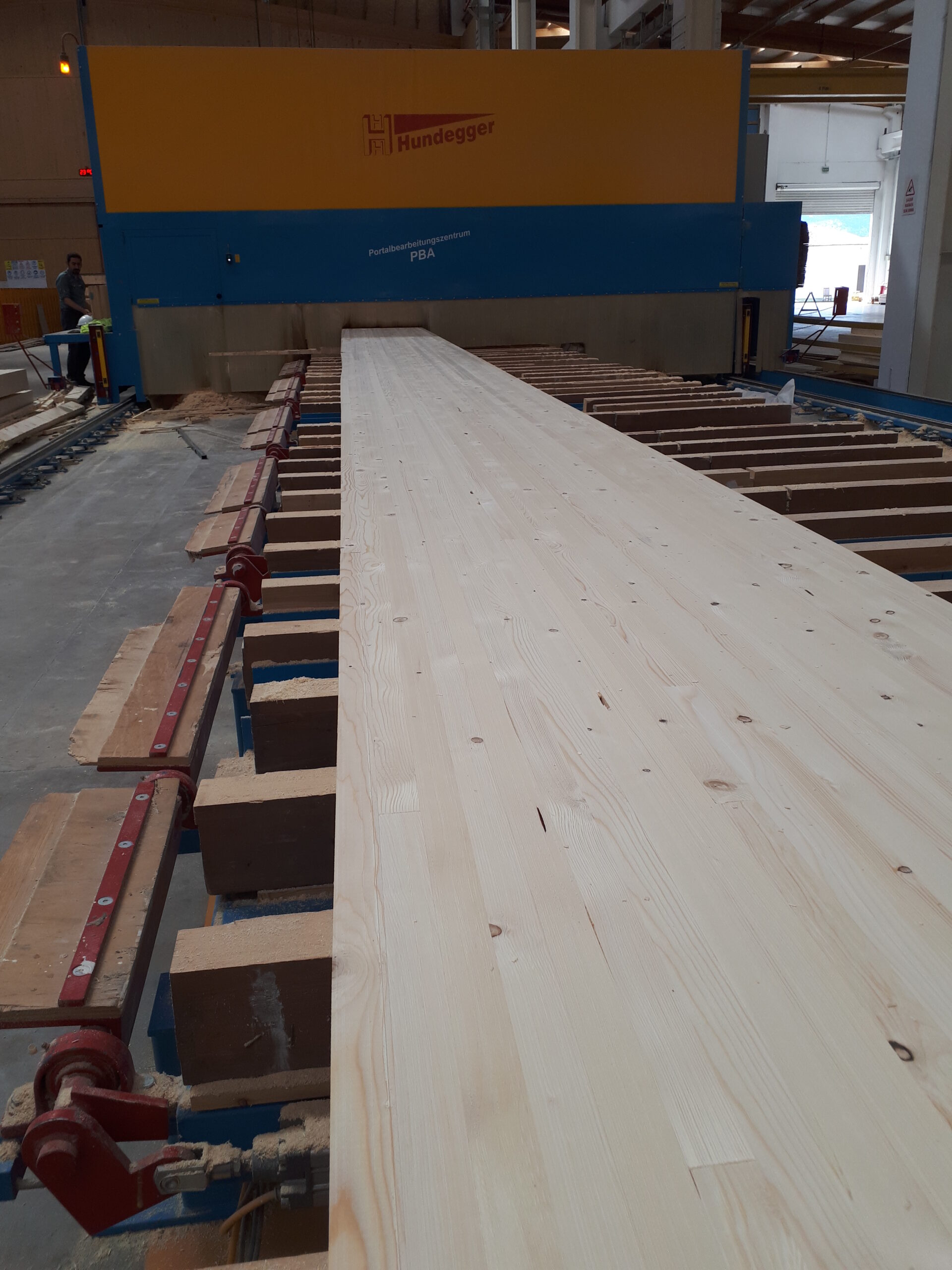
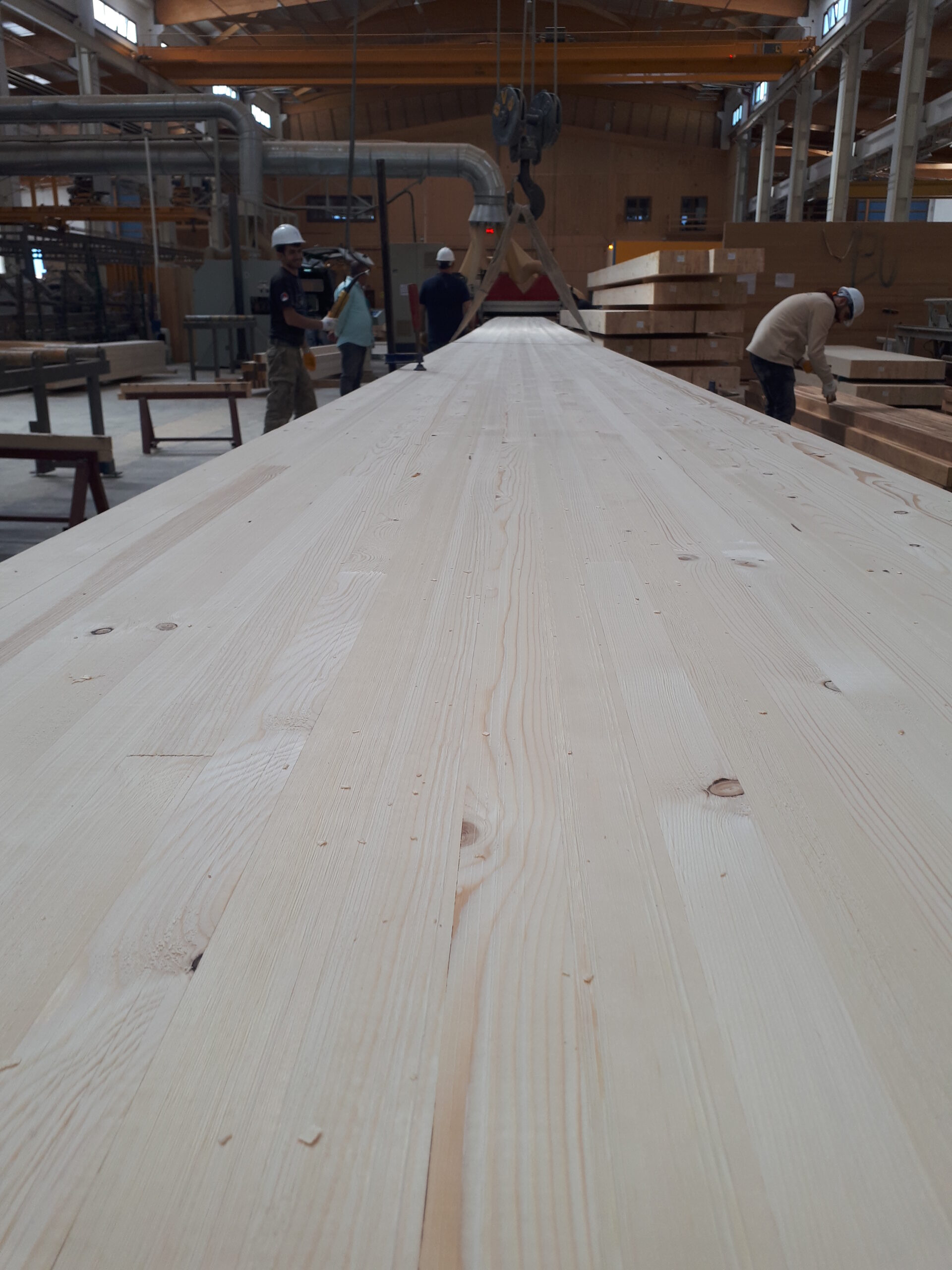
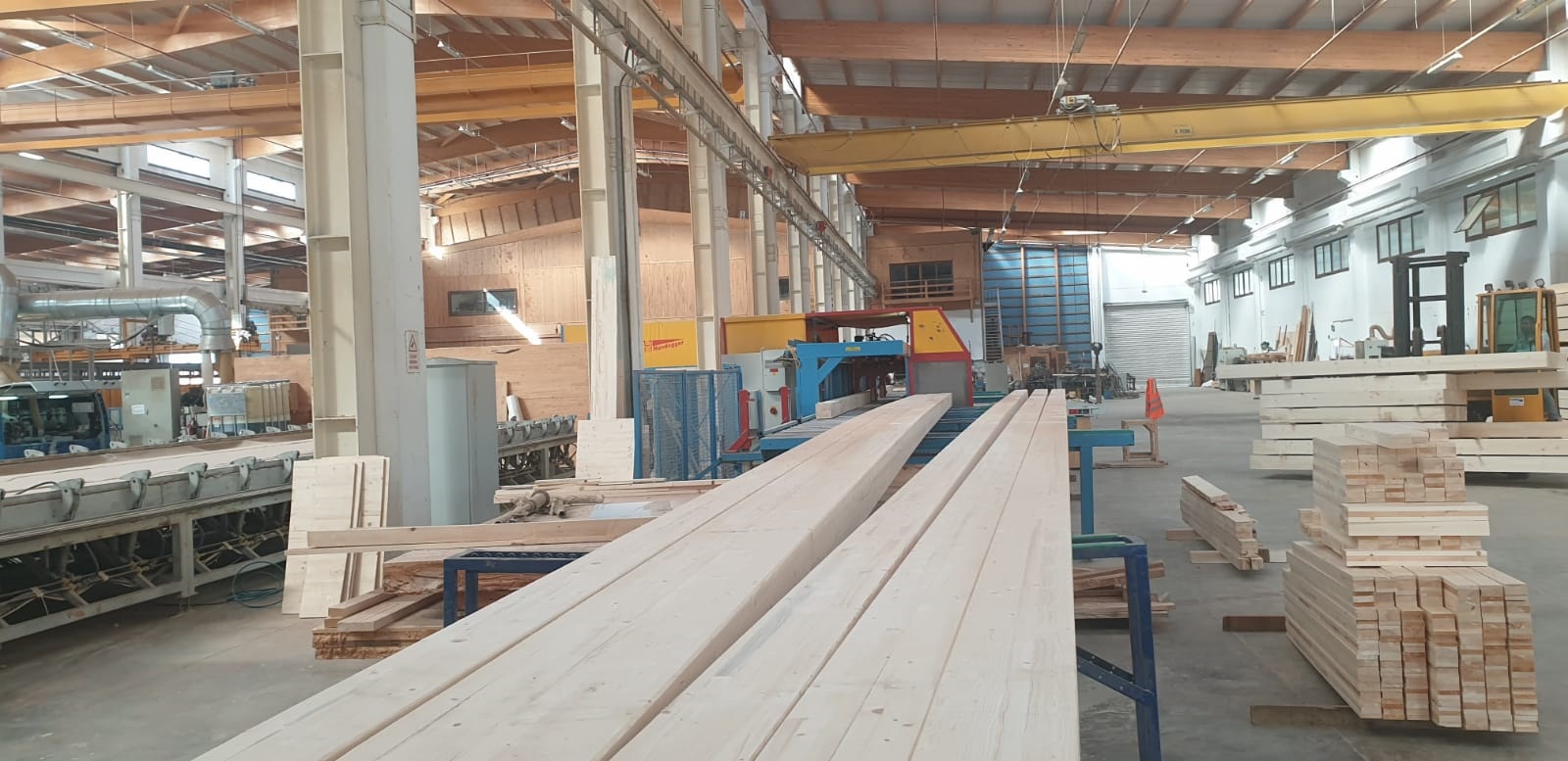
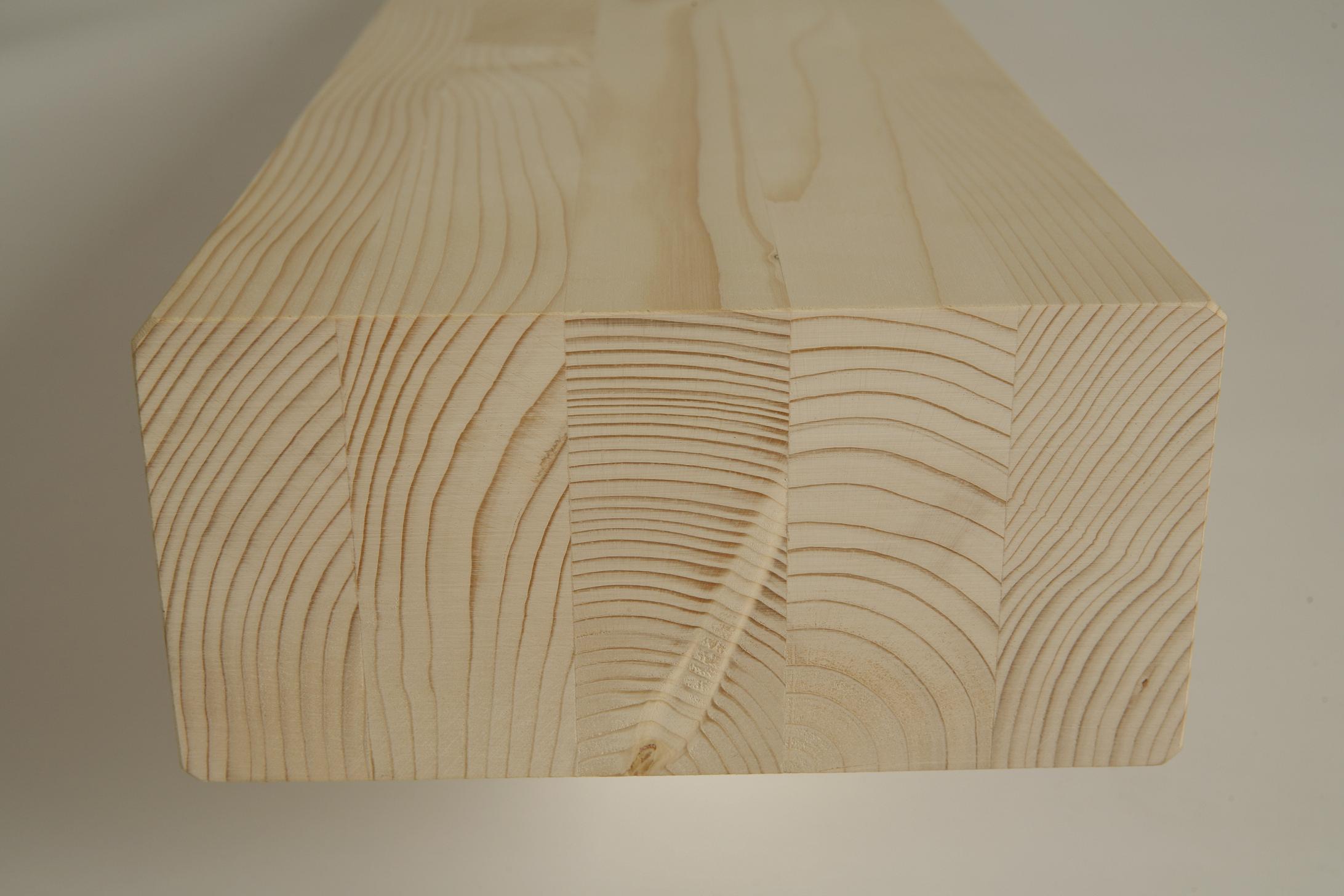
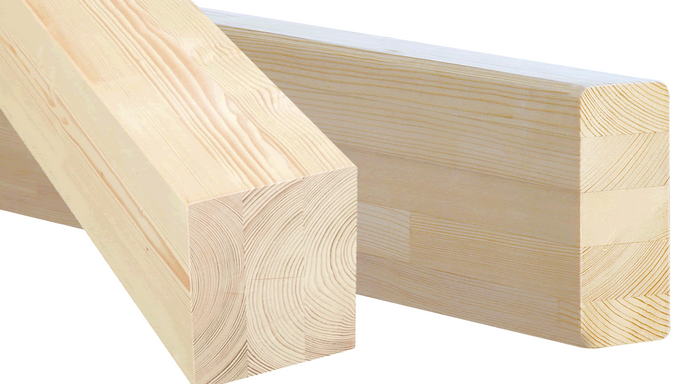
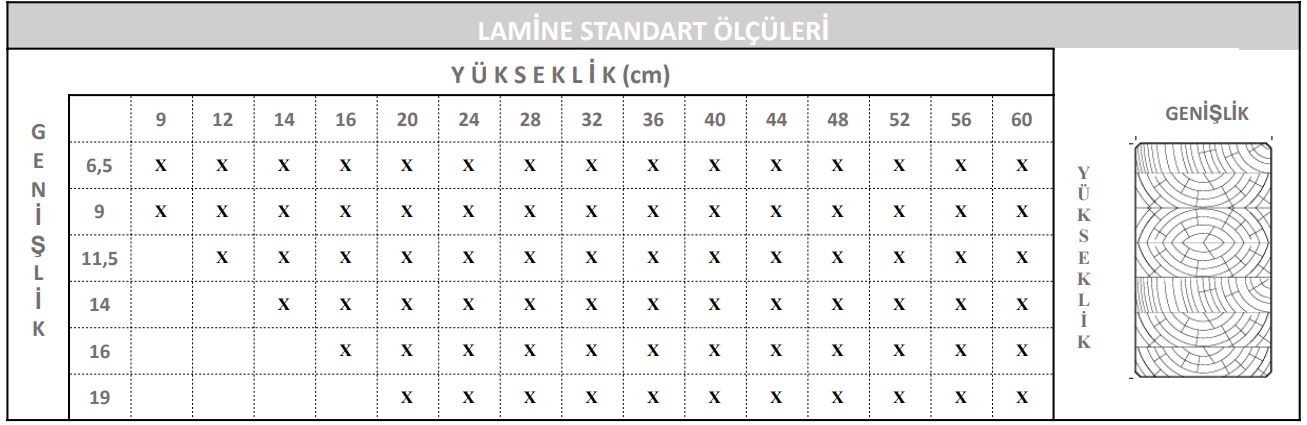
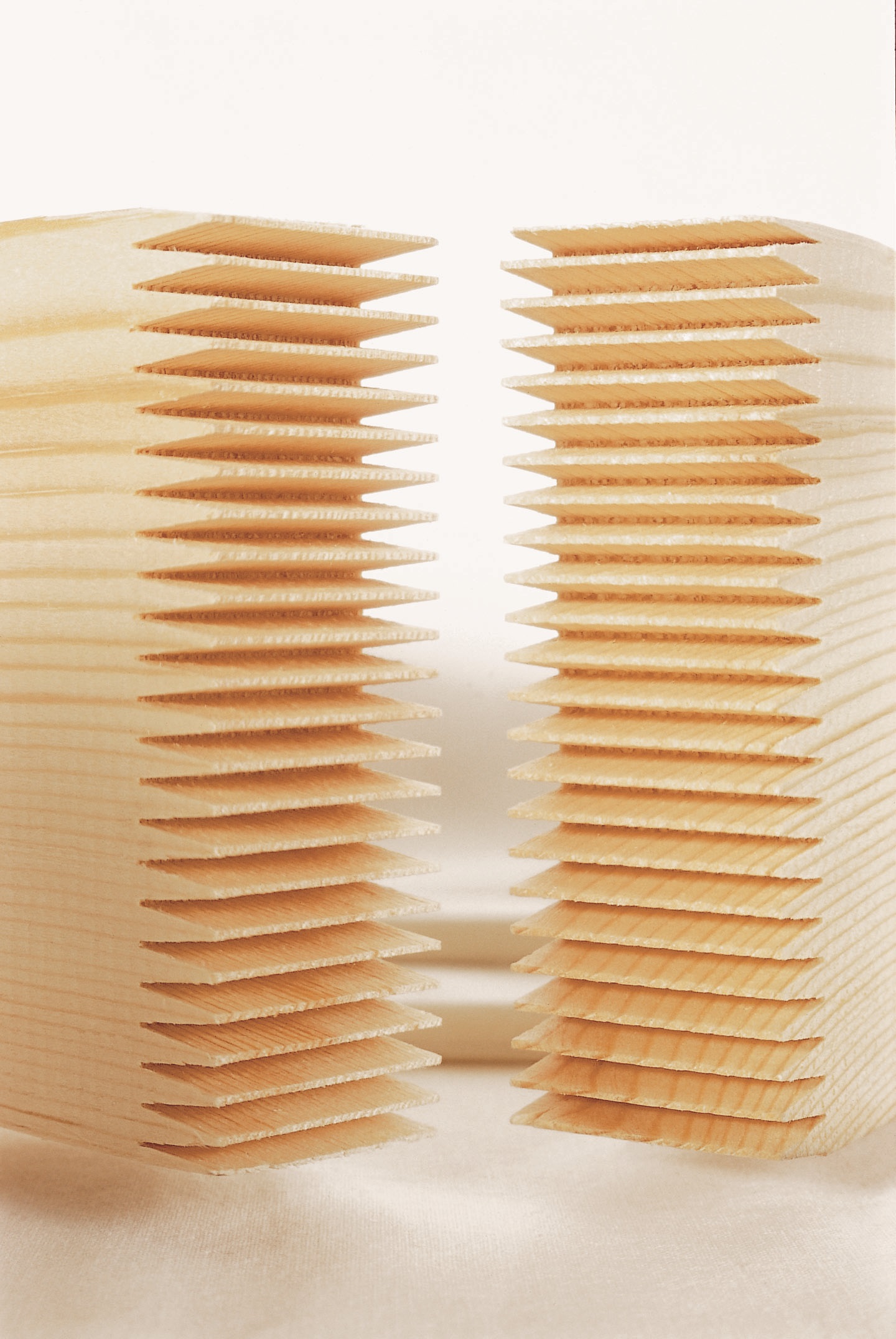
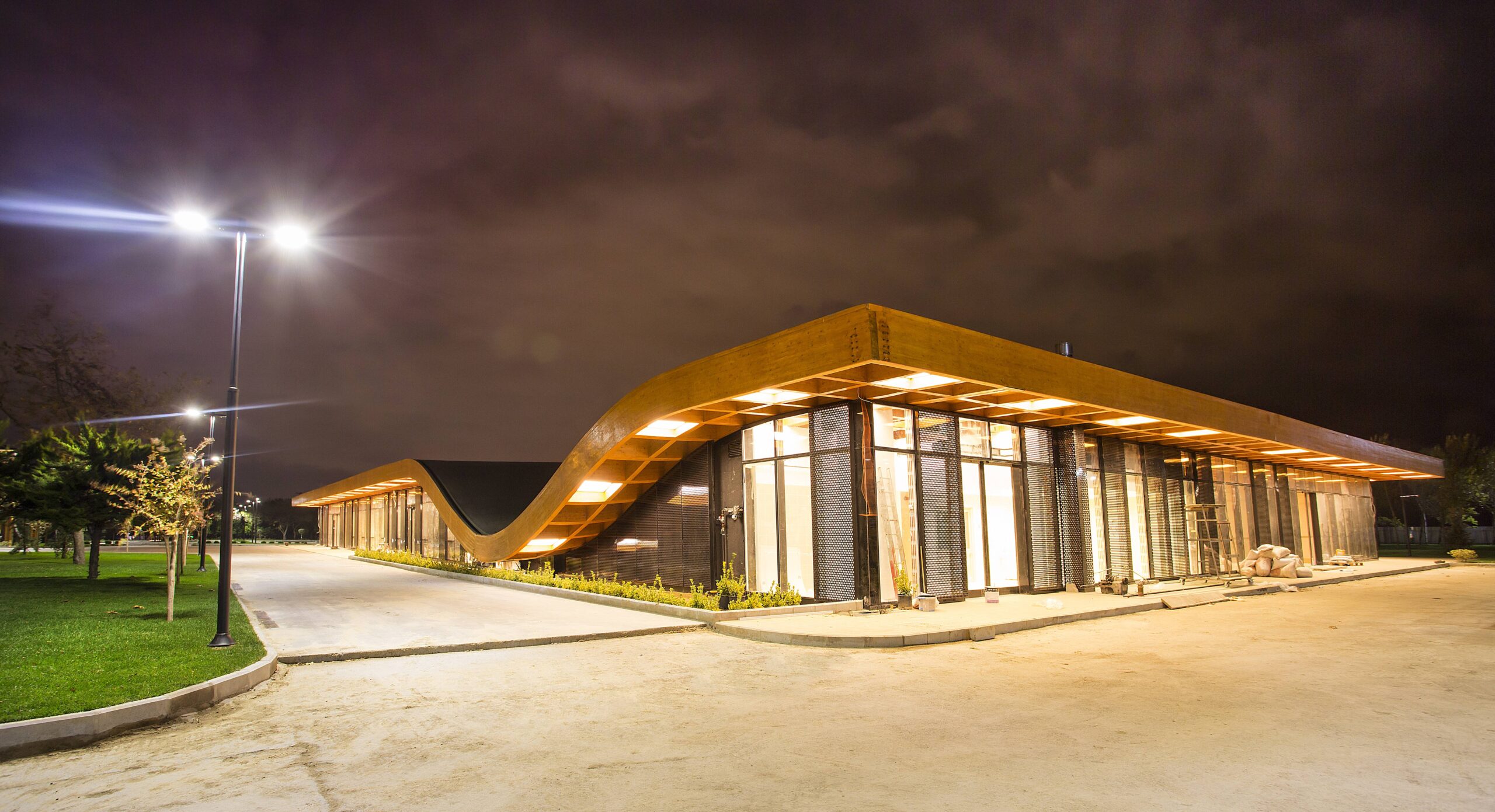
Naslam manufactures structural timber as single-piece elements up to 3.3 metres high and 45 metres long using finger-jointing and lamination techniques. Wood lamination is the process of bonding and pressing individual timber layers (lamellas) together using specialized industrial techniques to create larger timber elements. Laminated timber produced with this technique offers quality characteristics superior to conventional solid timber. “Laminated timber elements are named differently according to the thickness of the layers used. In the production of large laminated timber elements used in construction (beams, columns, arches, etc.), solid timber layers between 20 mm and 45 mm thick are used. Laminated timber with these characteristics is known as GLULAM (Glued Laminated Timber).” Timber lamellas are produced to the required lengths using a special end-jointing method known as finger-jointing and then combined using lamination technology. Finger-jointing is a length-extension process in which tapered fingers are machined into defect-free timber, adhesive is applied, and the pieces are joined end-to-end and pressed. It is one of the most appropriate methods for extending timber lengths, and it also gives the finished timber a more rigid structure. Transforming smaller timber pieces into large structural elements, this process provides aesthetic and robust structural timber that makes ambitious architectural forms possible.

Laminated Timber Produced (m³)

50000+

Number of Projects Completed

900+

Facility Area (m²)

49000+

Years of Experience

35+
  • Using finger-jointing and lamination techniques, Naswood manufactures single-piece structural timber elements up to 3.3 metres high and 45 metres long.
  • Timber lamination is the process of bonding and pressing independent timber layers (lamellas) together using specialized industrial techniques to obtain larger timber elements. The quality of laminated timber produced with this technique is far superior to that of conventional solid timber of comparable dimensions.
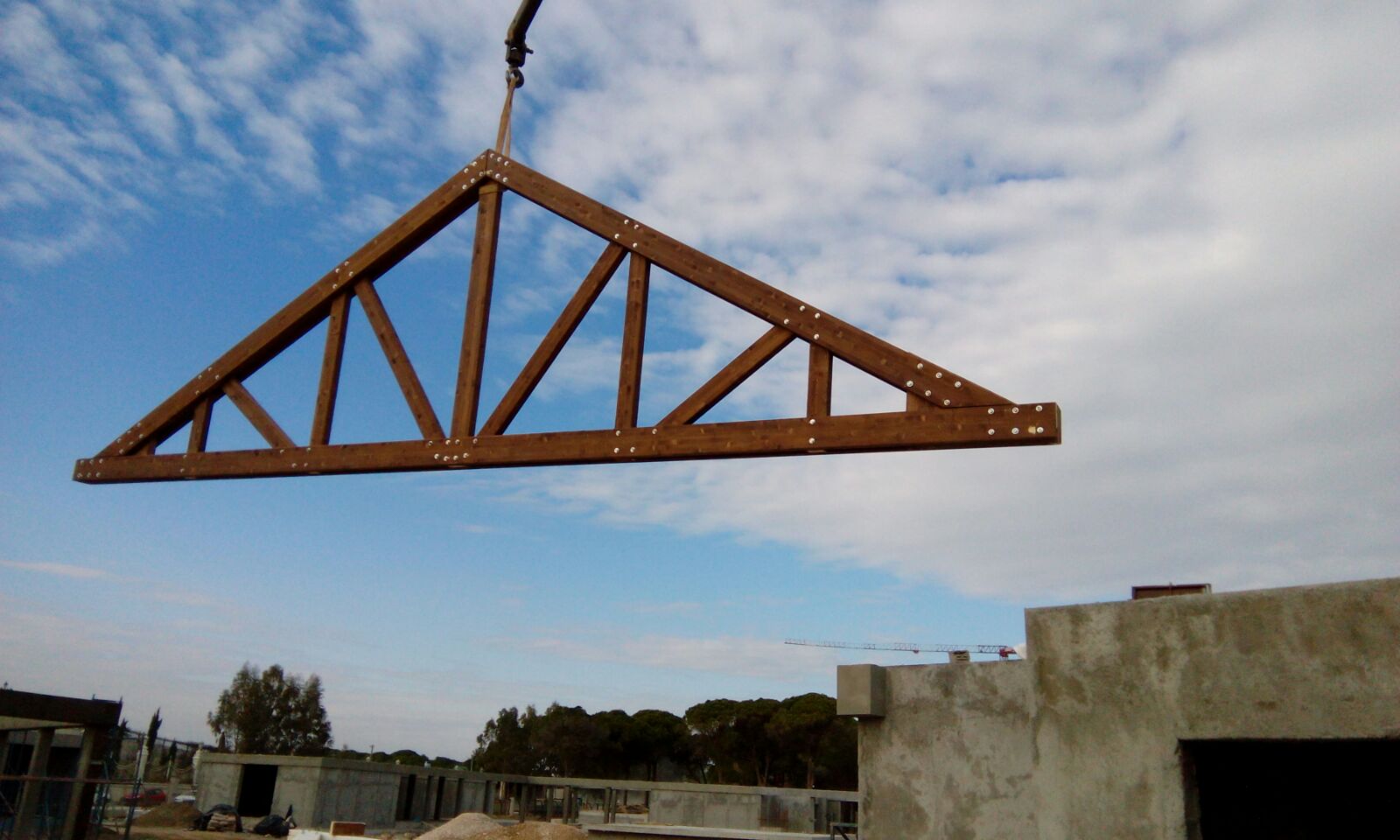
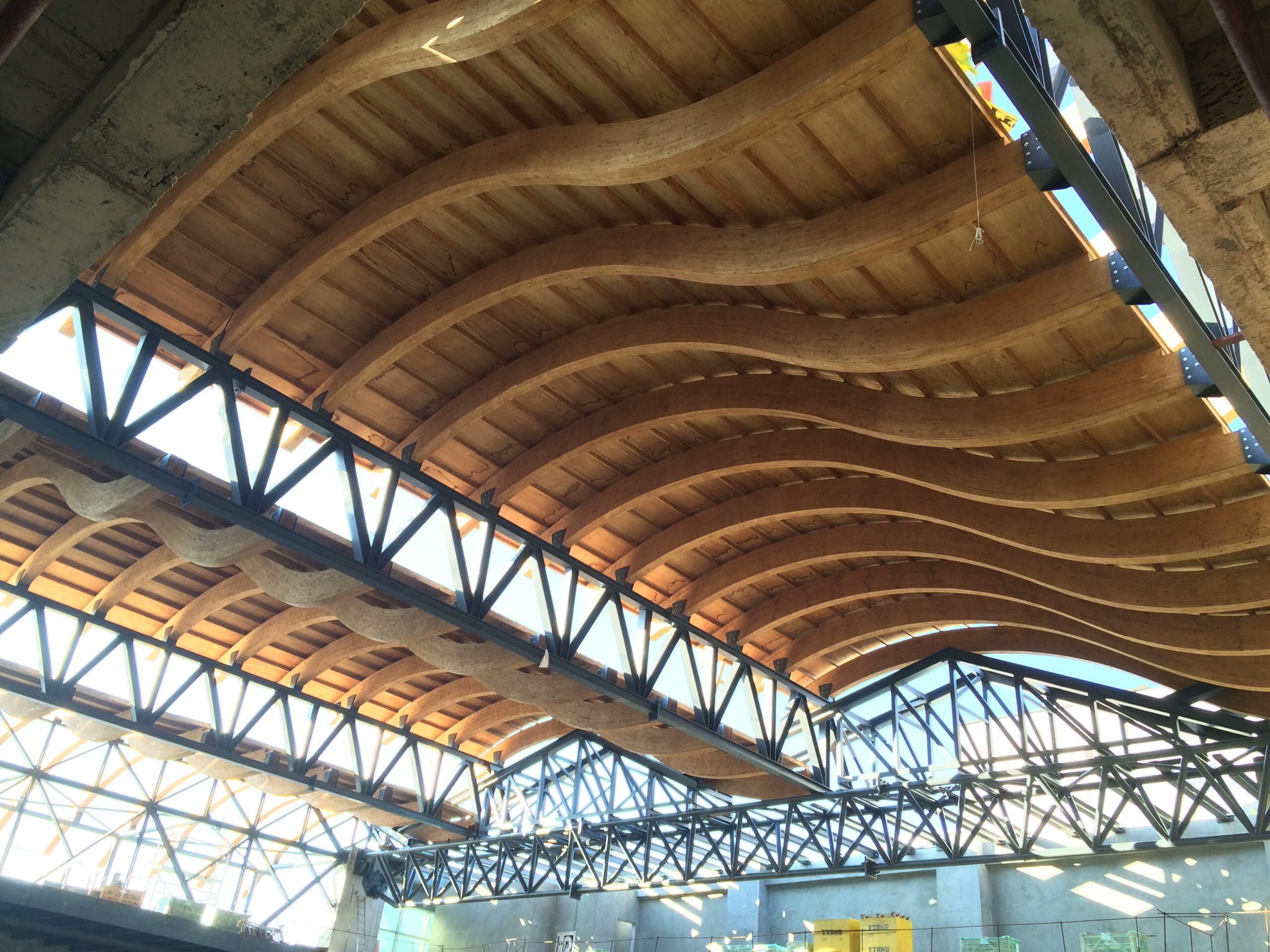
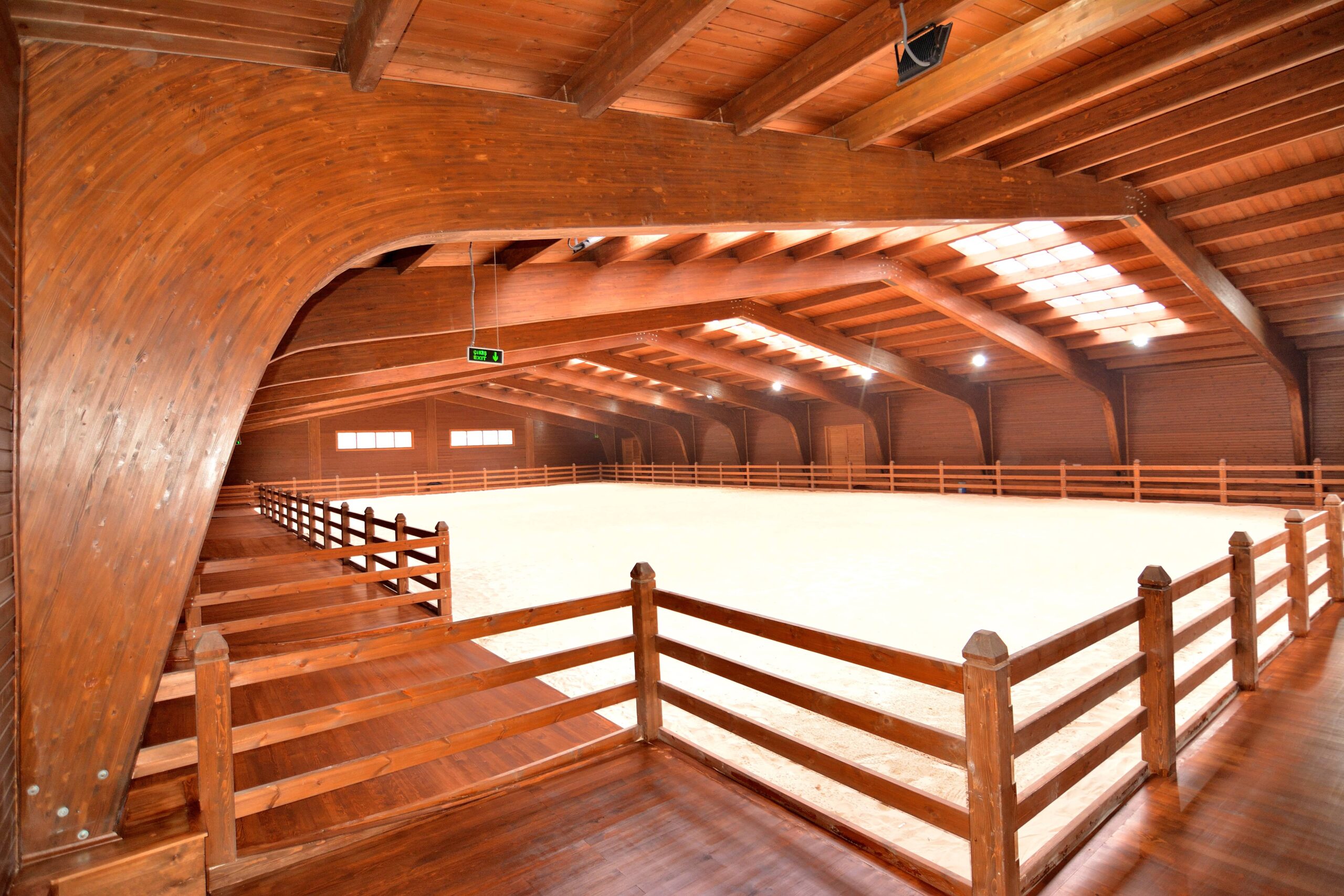
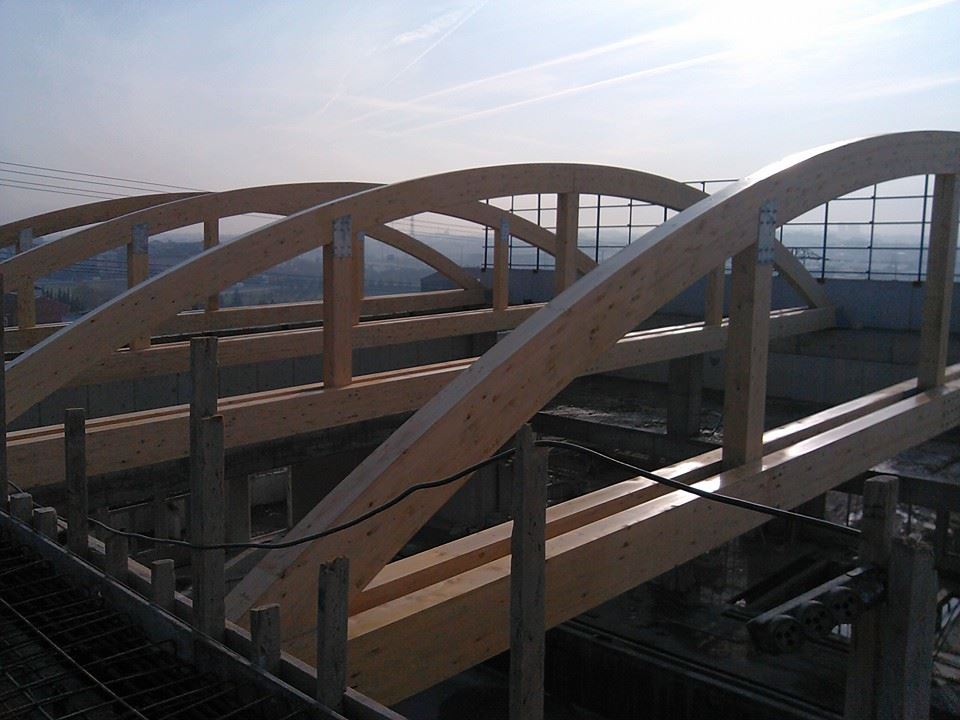
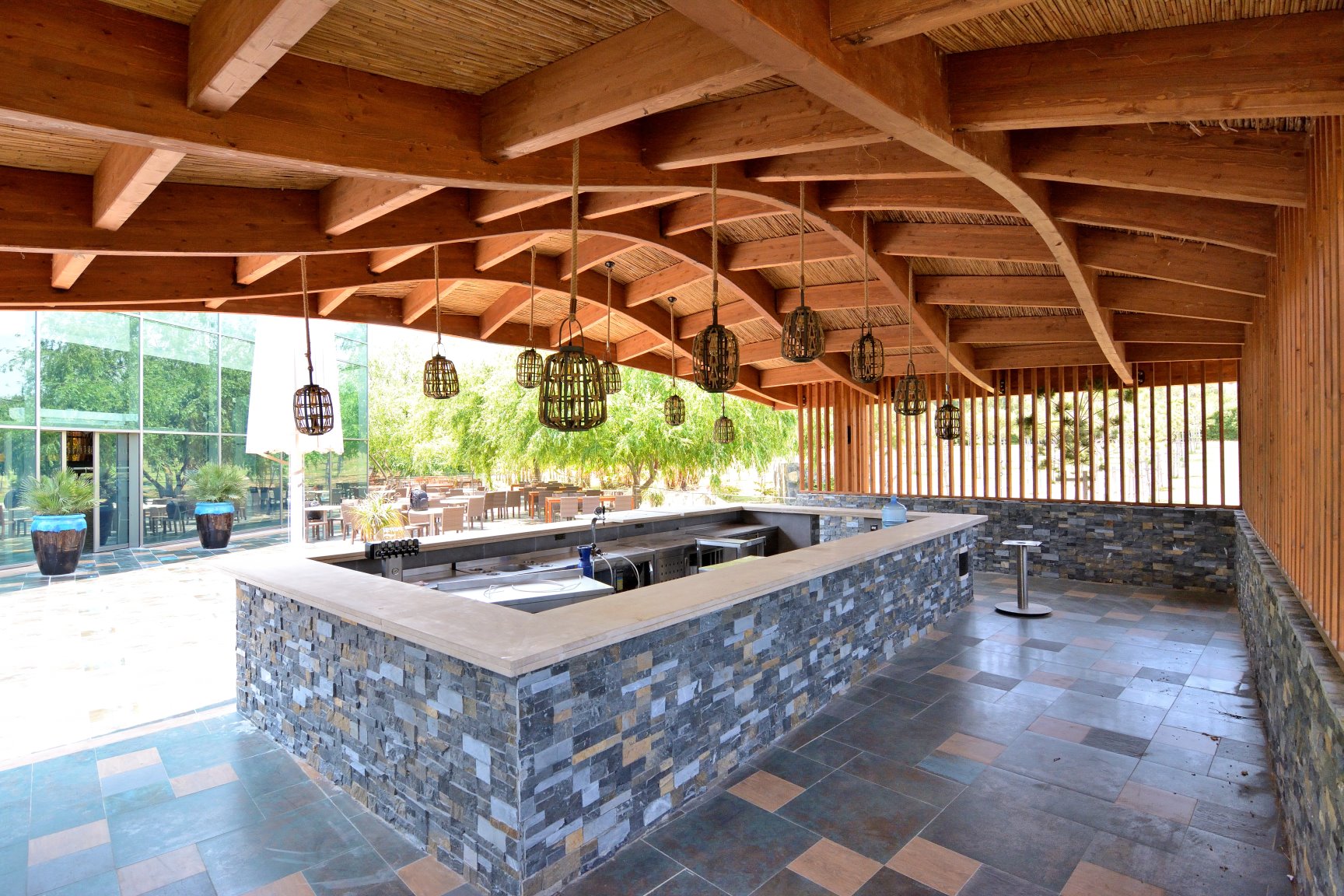
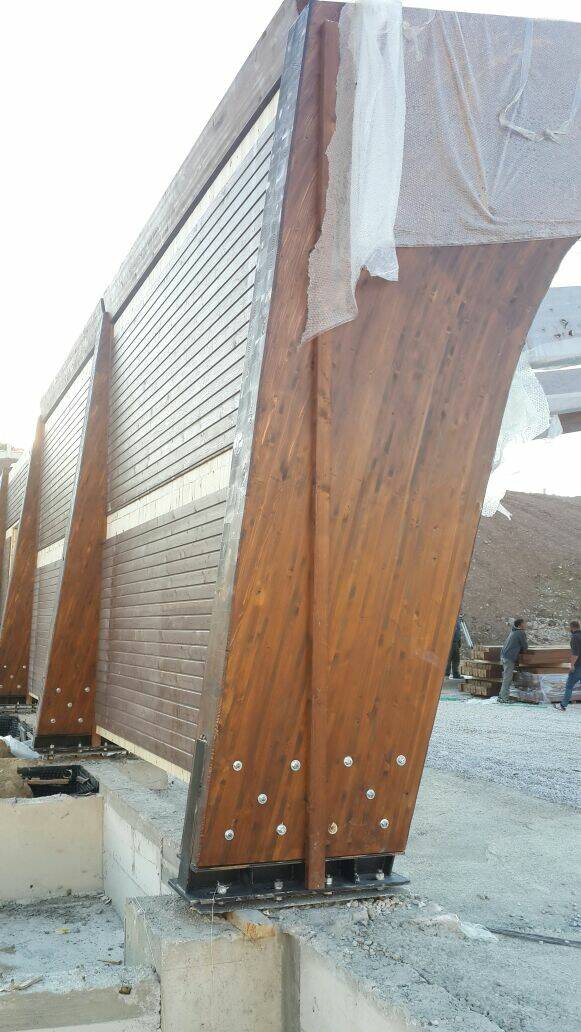
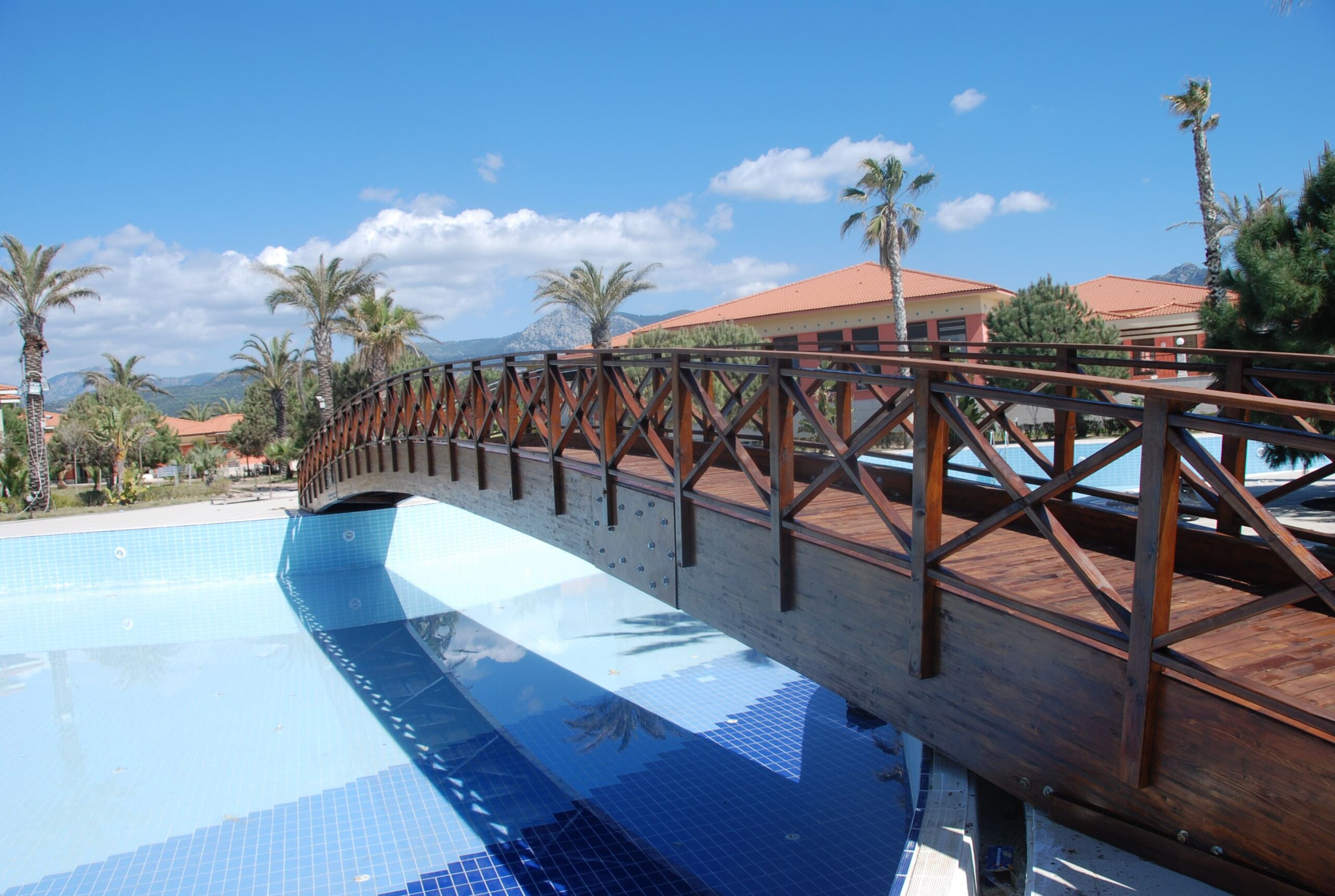
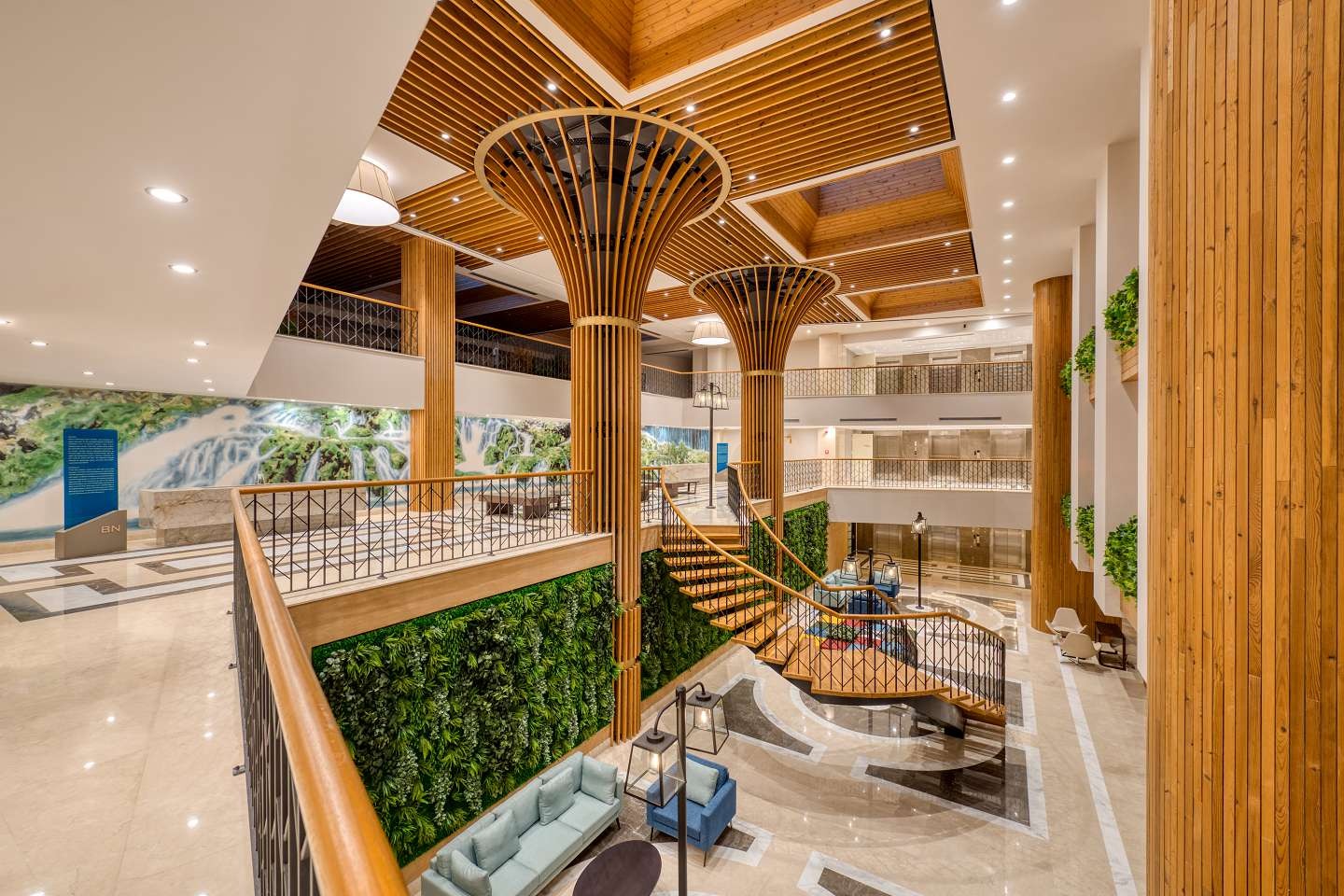
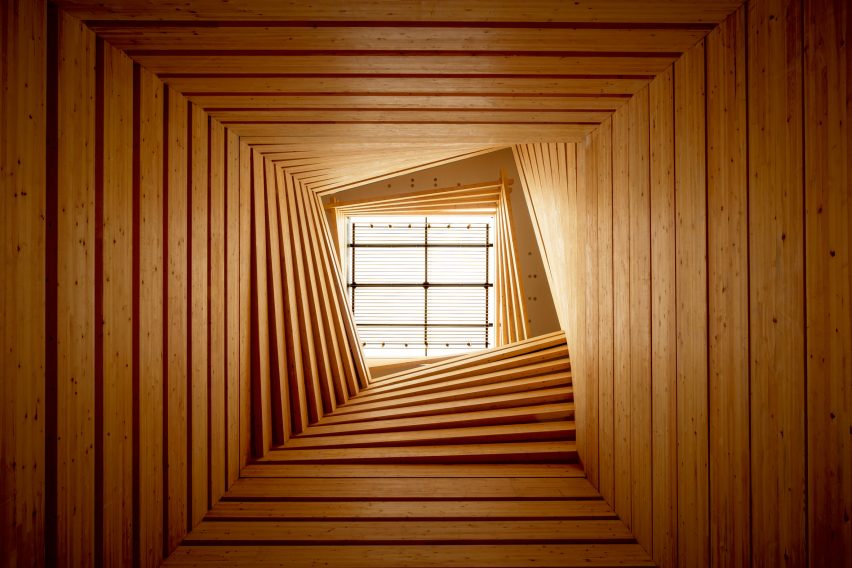
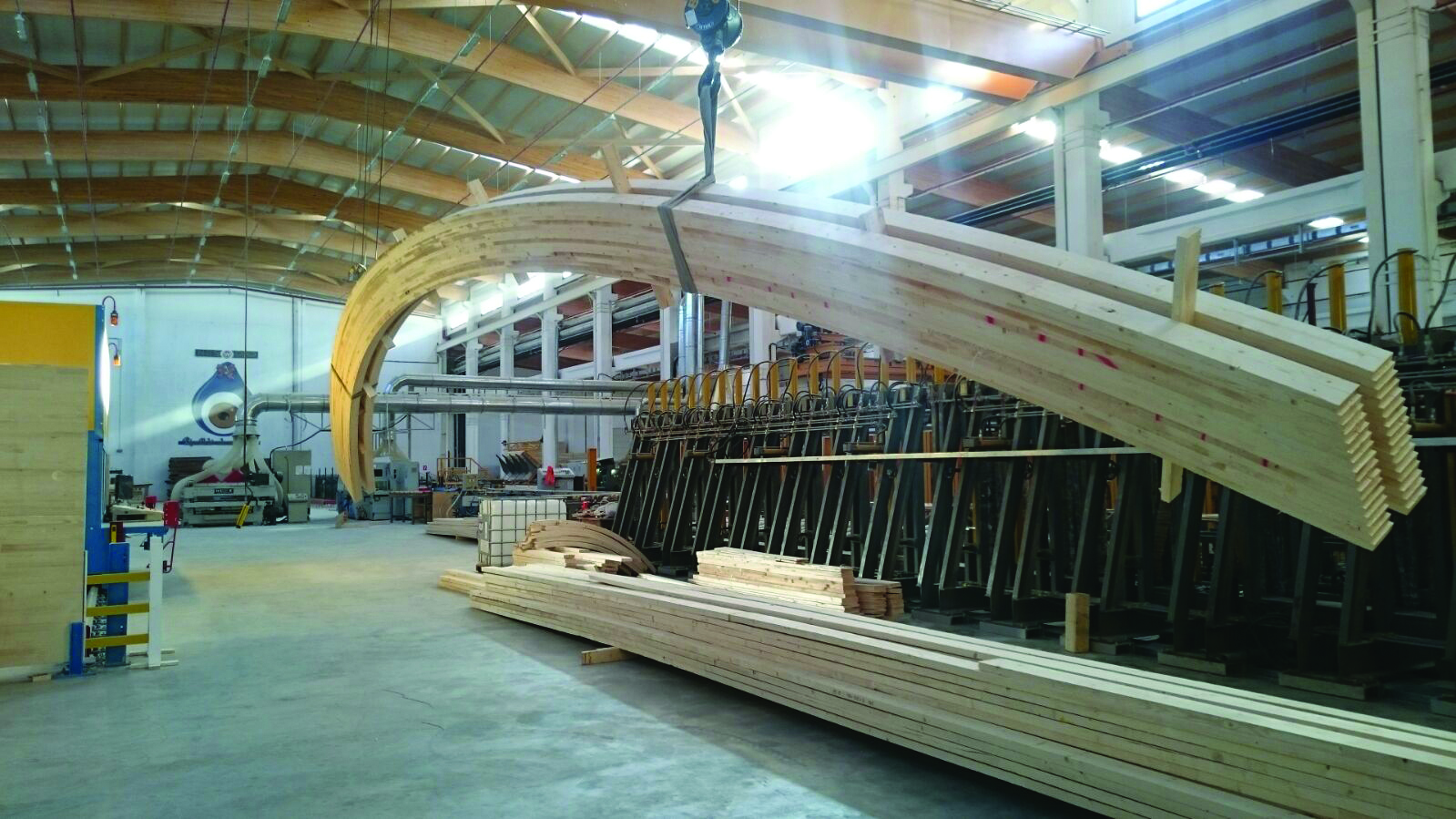
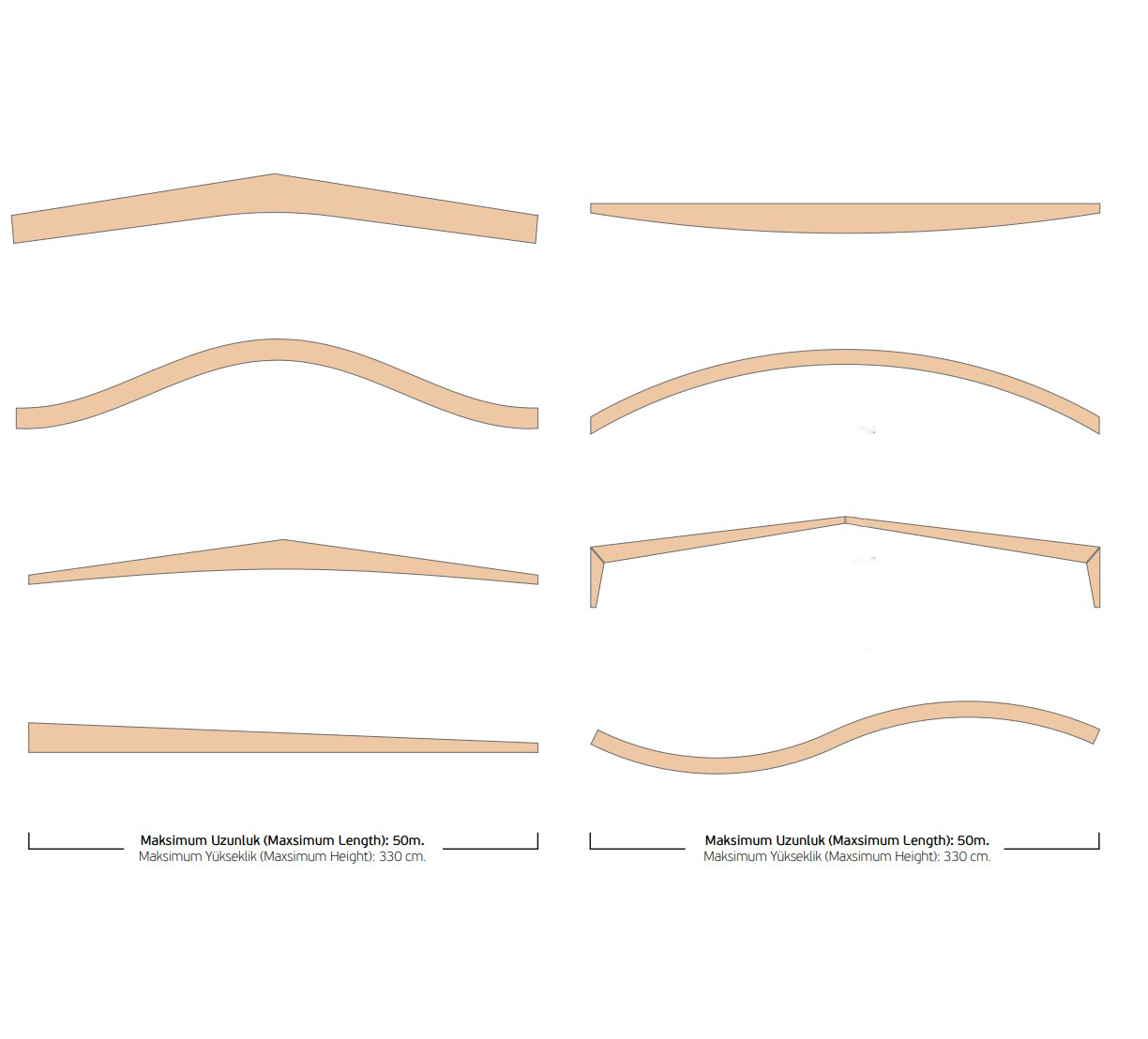
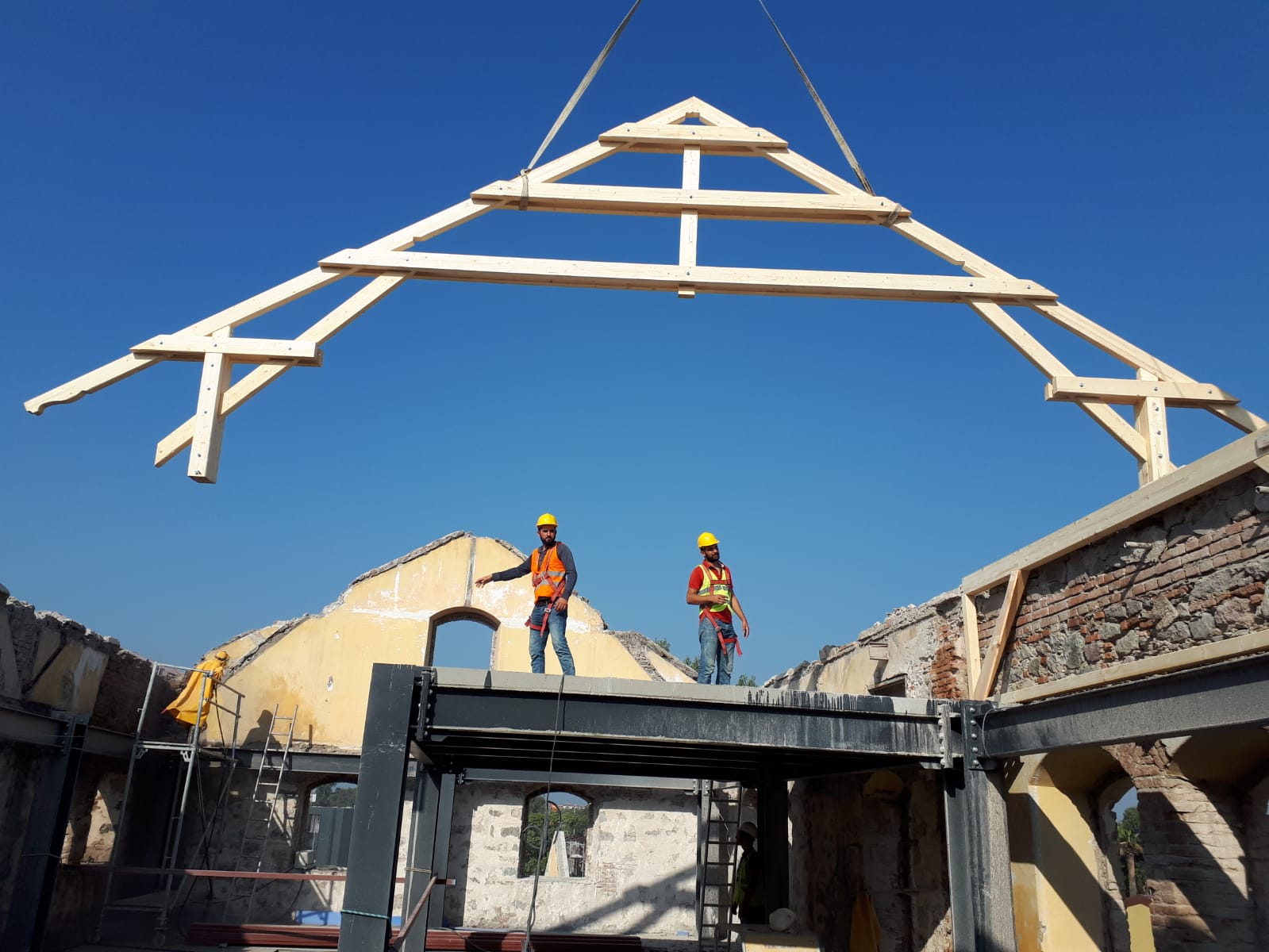
  • Its load-bearing capacity and mechanical strength are very high. Naslam, the laminated-timber manufacturer within our group, can custom-produce beams, columns, trusses, arches and many other structural timber elements in a wide variety of forms.
  • Laminated timber, which is finding an increasingly broad range of applications in the construction sector, is defined as a structural element produced by bonding timber lamellas with their fibers primarily parallel to one another. Spruce and pine species are used in this technology. Laminated timber elements are named differently according to the thickness of the layers used. In the production of large-format laminated timber used in construction—such as beams, columns and arches—solid timber lamellas between 20 mm and 45 mm thick are used, and laminated timber with these characteristics is known as GLULAM (Glued Laminated Timber).

GLULAM BEAM

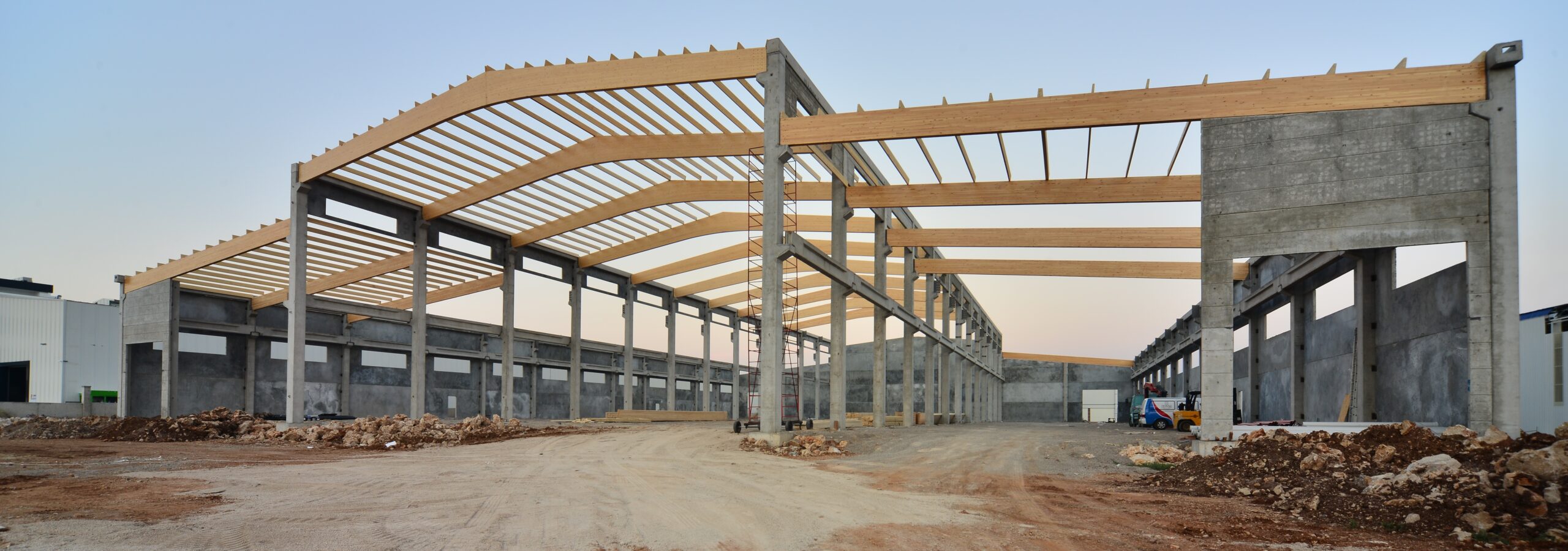
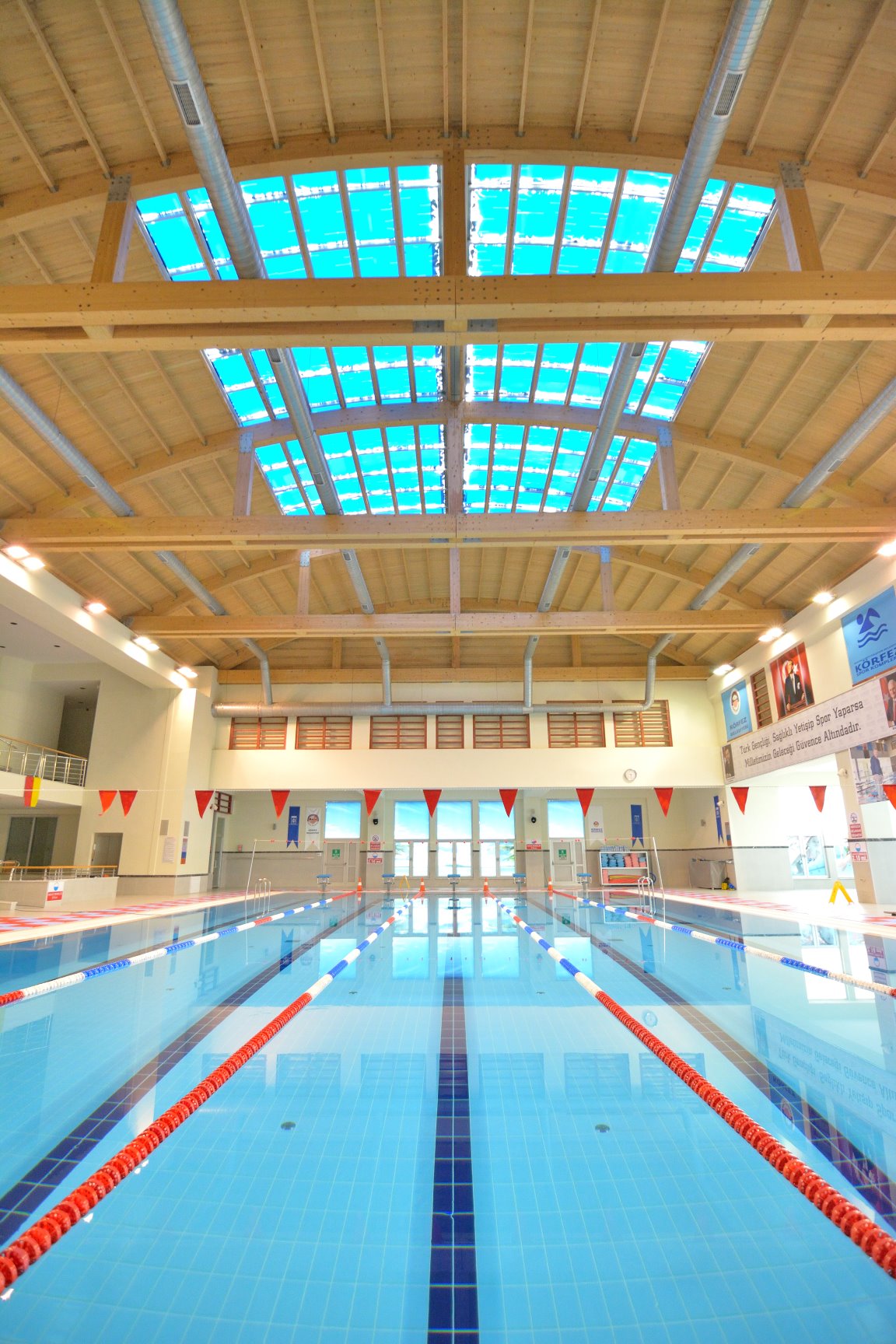
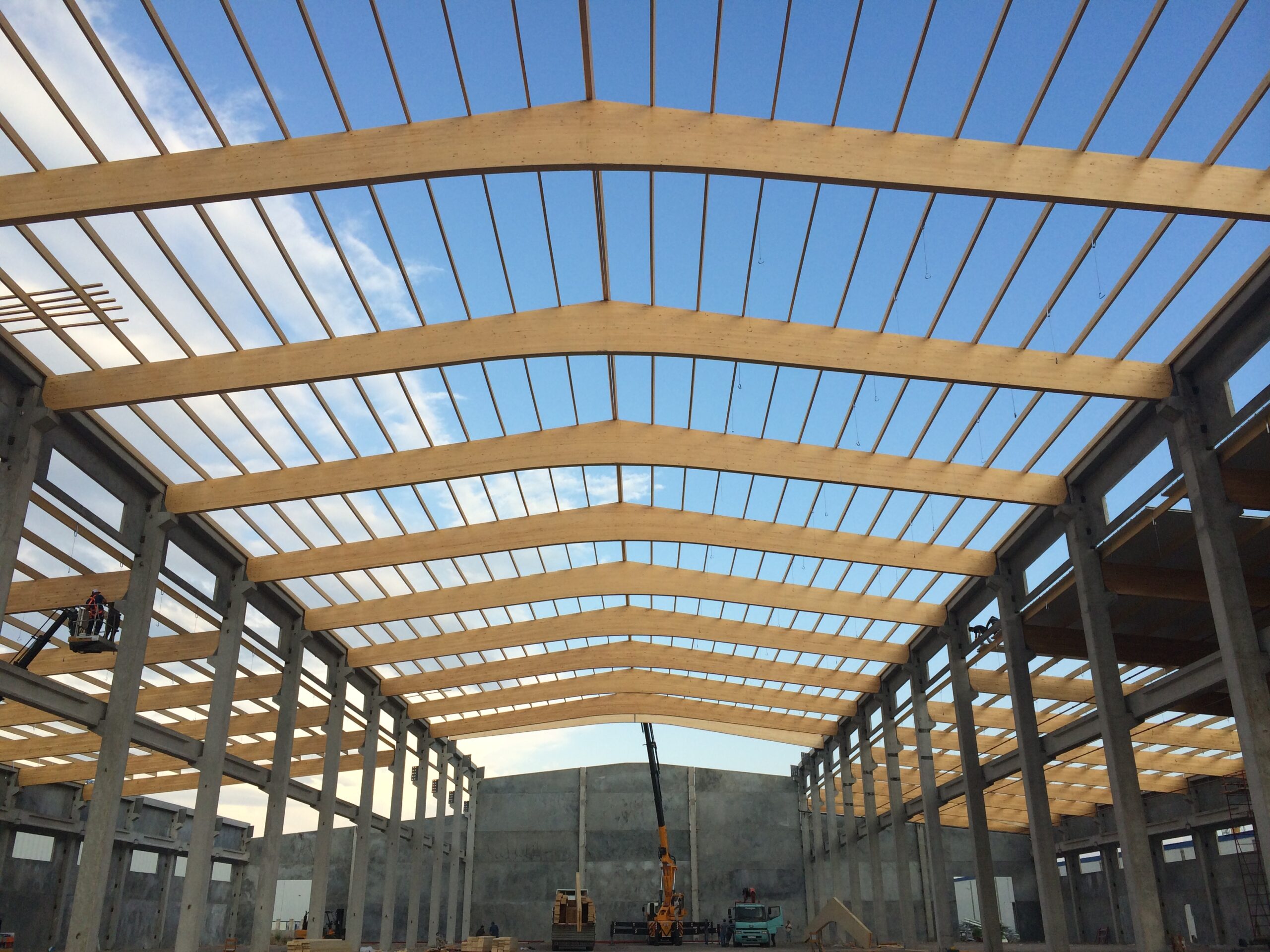
 A glulam beam is a structural product manufactured for laminated-timber load-bearing systems and can be produced in straight or curved forms. Laminated timber is particularly suitable for structures with heavy loads and long spans where dimensional stability and aesthetic appearance are important. When the required fire allowance is added to the structural design dimensions, glulam offers excellent fire resistance compared with many other materials.

Because of their dense and homogeneous structure, laminated beams and columns char evenly and form a protective layer that delays the spread of fire toward the core. Compared with many other building materials, structural failure occurs gradually rather than suddenly.

Because laminated timber structures have a low specific weight compared with concrete and steel while maintaining high mechanical strength, the forces generated during an earthquake can be significantly reduced.

Finger jointing is a length-extension process in which tapered fingers are machined into defect-free timber, adhesive is applied, the pieces are joined end to end and then pressed. It is one of the most reliable methods for joining timber to increase length. After the process, the timber also gains greater rigidity. By transforming smaller timber pieces into large structural elements, finger jointing enables the production of highly aesthetic and robust structural timber capable of creating remarkable architectural forms.

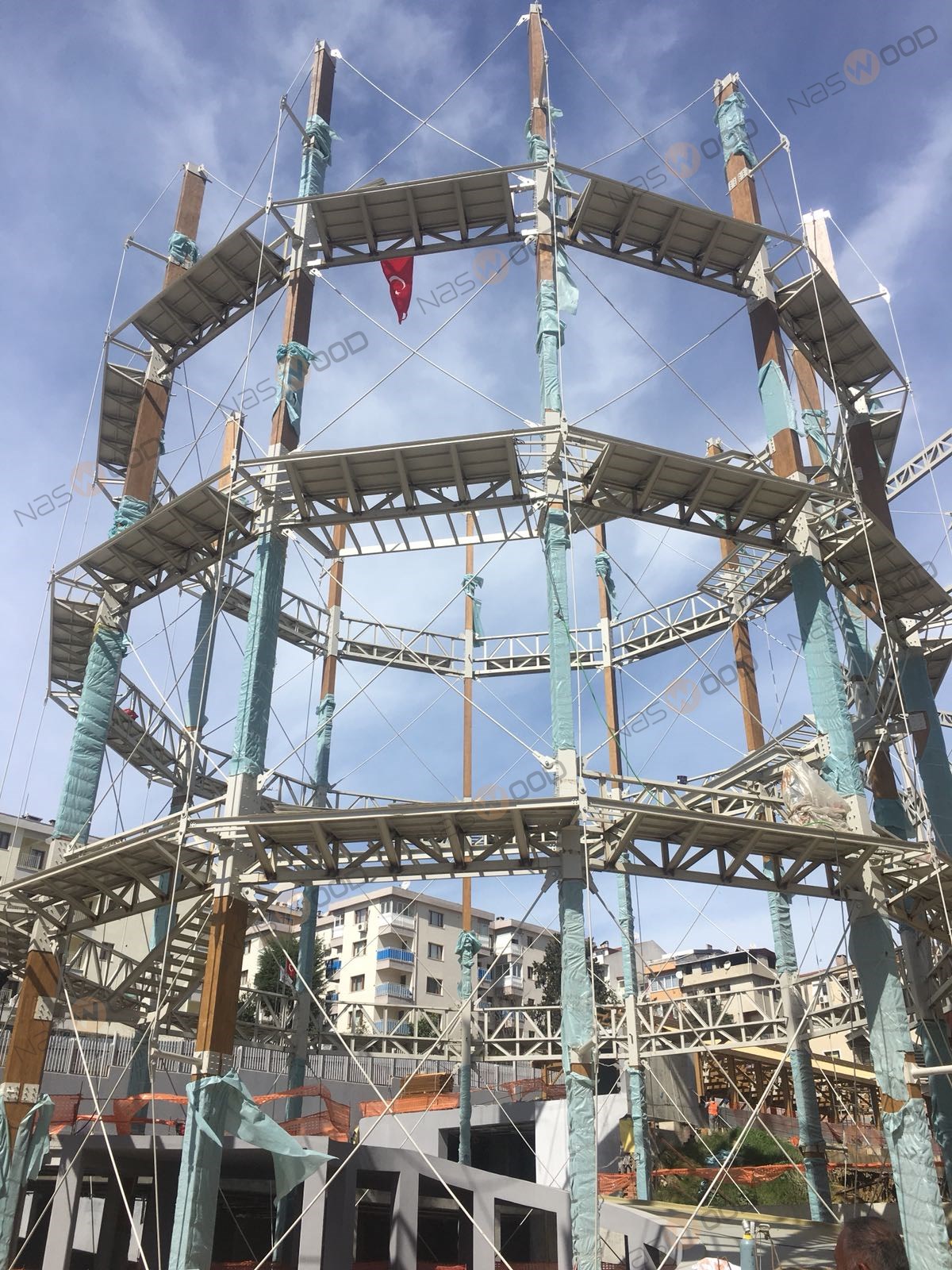
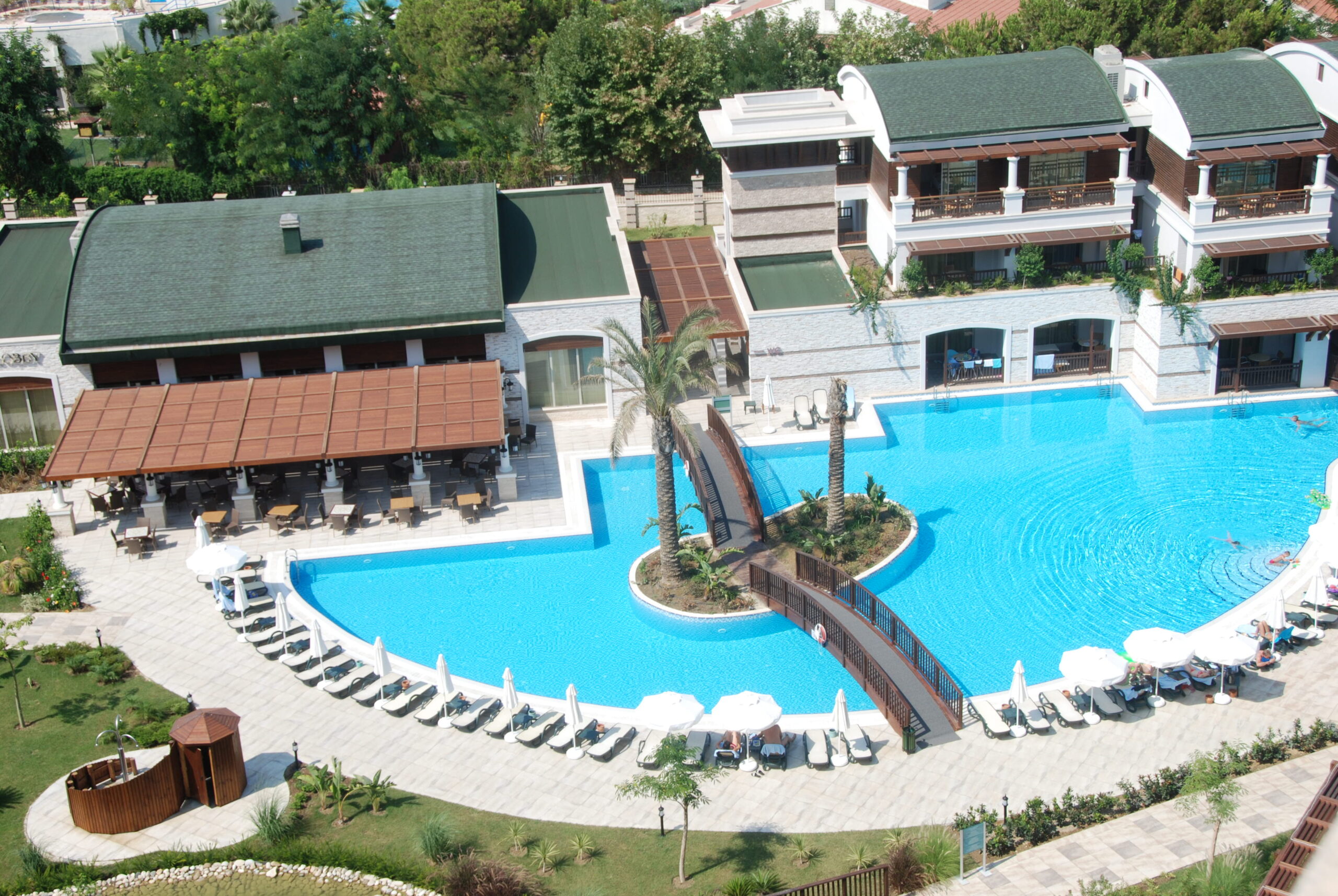
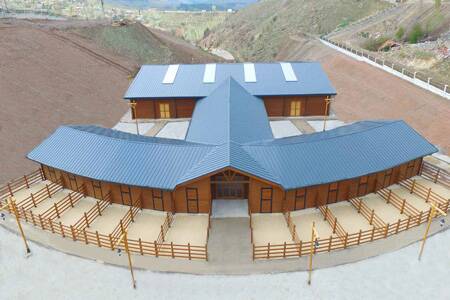
OUR NASLAM PROJECTS

Contact us!